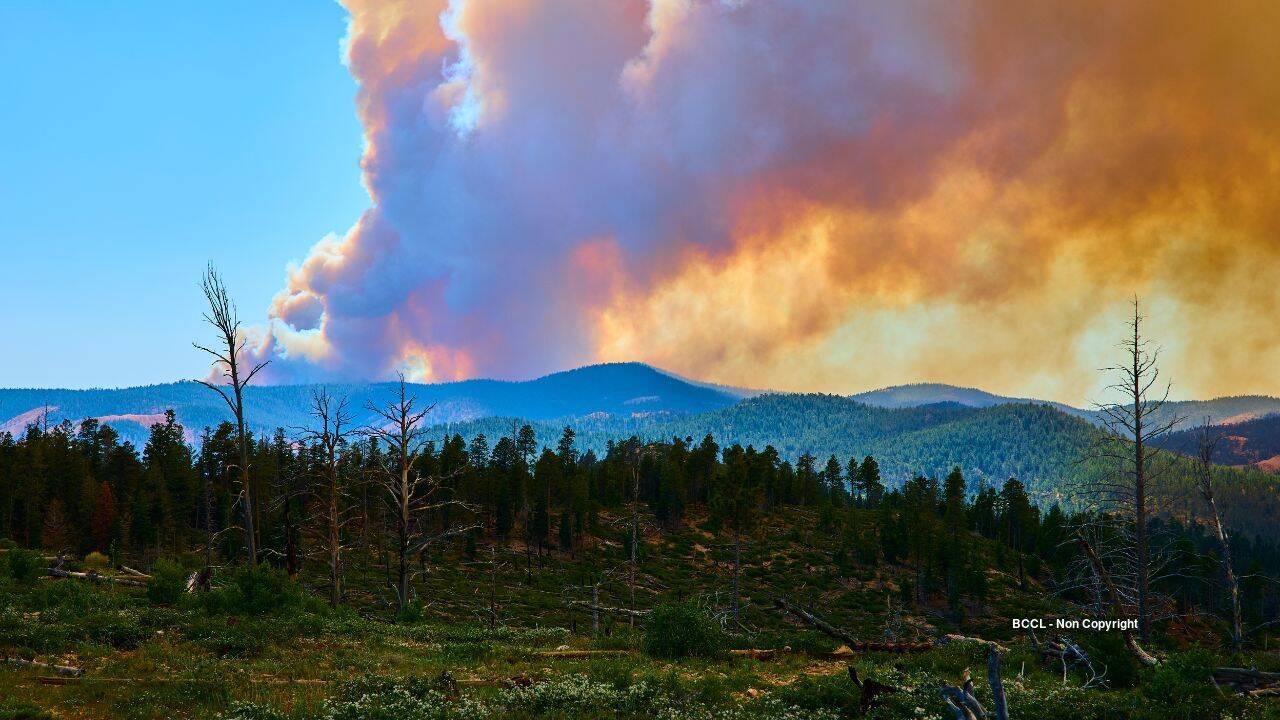
The flames near Bordeaux didn't just scorch pine forests and force massive evacuations; they hung an invisible question mark over millions of bottles of French wine.
When 42,000 hectares burned and 220,000 people fled the Gironde region in one of France's largest peacetime evacuations, the headlines focused rightly on the immediate human crisis. President Emmanuel Macron called the blazes the most severe situation firefighters have faced since World War II. But now that the active fire has stopped advancing and the smoke has cleared from the sky, local winemakers are dealing with a slow-burning panic that won't make sense until glasses are raised months or years down the road.
It is called smoke taint. And it is the absolute nightmare of modern winemaking.
The Danger Hiding in the Air
You don't need a wall of fire to ruin a vintage. Sometimes, a drifting cloud of grey haze is all it takes.
During the worst of the blazes, the grapes across Bordeaux were entering veraison—the critical window when green berries shift color, soften, and begin accumulating sugars. Viticulture experts know this is the worst possible moment for smoke exposure. The skins are permeable, and volatile phenols from burning timber attach themselves directly to the fruit.
These compounds bond with sugars inside the grape to form odorless molecules called glycosides. They lie dormant through the crush, survive the fermentation vats, and even fool professional tasters during early quality checks.
Then, chemical reactions inside the bottle break those bonds over time. What starts as a fresh red wine slowly develops an unpleasant, medicinal, or ashy flavor profile. You basically open a bottle of premier cru and taste a campfire.
Why Bordeaux Cannot Afford a Bad Vintage Right Now
Bordeaux isn't just a picturesque tourist destination. It is a massive economic engine that supports a multi-billion-dollar global export market.
The timing couldn't be worse. France's broader wine sector has spent the last few years absorbing massive hits from falling domestic consumption, government-backed vineyard removal schemes, and fluctuating U.S. tariffs. With French wine and spirits exports hovering around $19 billion, any structural threat to the quality of a core region sends shockwaves through the national economy.
Red heavyweights like Cabernet Sauvignon and Merlot make up the backbone of the region's identity. Producers know that high-end wine buyers are unforgiving. If a vintage carries even a hint of smoke taint, consumers won't buy it twice. Even worse, the psychological damage lingers. Buyers remember headlines about massive fires long after the vineyards are safe, which drags down the perceived value of the entire regional output.
The Shifting Reality of European Viticulture
We are past the point where climate volatility is a future projection. It is here, rewriting the rules of agriculture in real time.
Chateaux directors like Thomas Duroux of Chateau Palmer have pointed out that these extreme weather cycles serve as a stark wake-up call. Temperatures touching 37 degrees Celsius, paired with prolonged droughts, turn regional pine forests into tinderboxes. When vines face extreme heat stress without adequate rain, they naturally shut down physiological functions to protect themselves, causing grapes to shrivel on the vine.
Winemakers are no longer just managing soil and yeast. They are managing atmospheric disaster response.
What Happens Next in the Cellars
Right now, scientists and estate managers are running lab tests on grape samples to measure volatile phenol levels before harvest decisions are finalized. Some wineries can mitigate minor exposure through specialized filtration techniques or by adjusting skin-contact times during fermentation.
However, heavy smoke taint offers no good fixes. Winemakers either have to heavily dilute the affected juice, downgrade the product into bulk wine, or dump the harvest entirely.
The physical fires may be out, but the story of this scorching summer is locked inside the grapes. Only time will tell how many bottles carry the taste of the disaster.