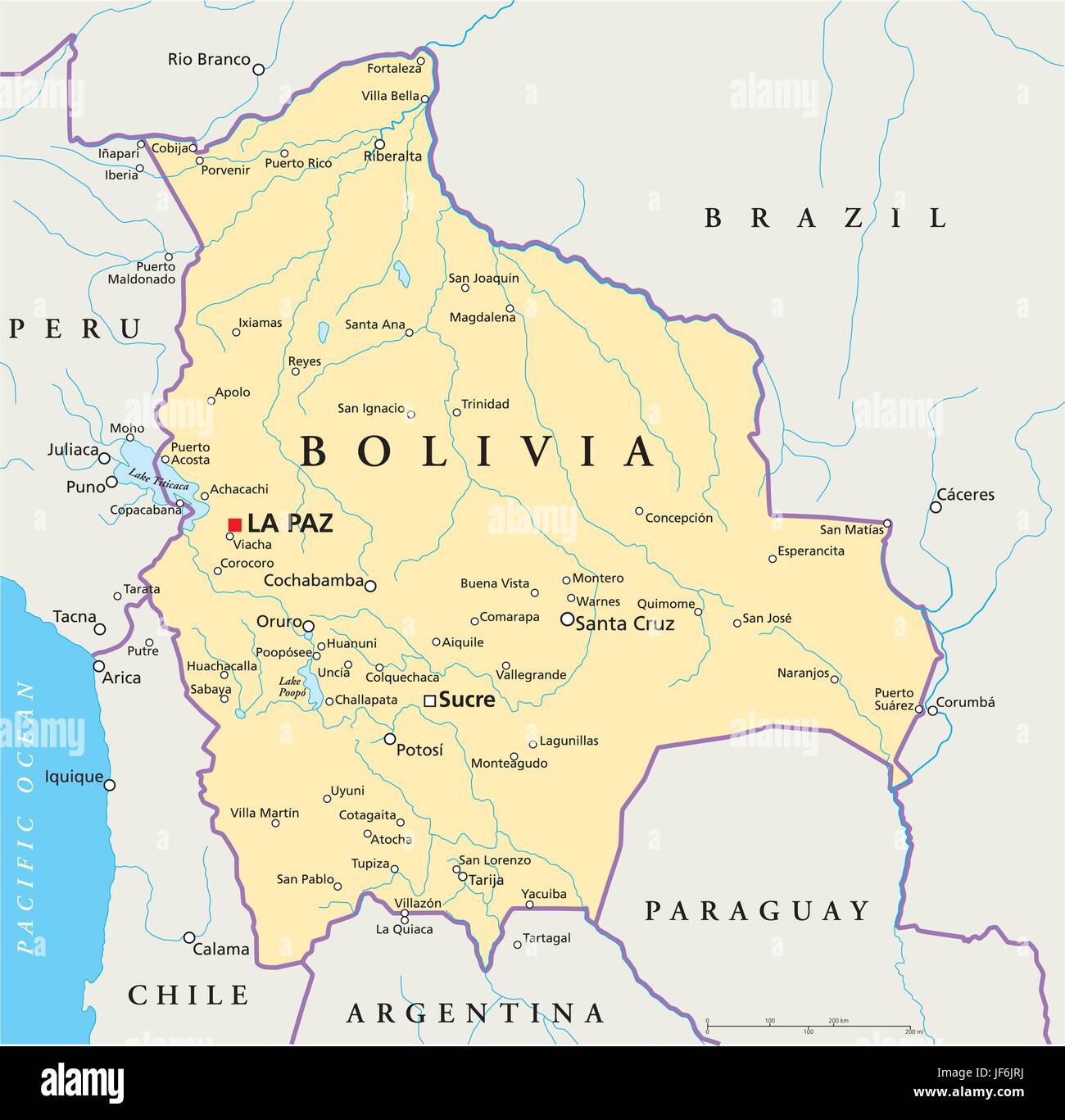
You have probably heard plenty about major economic superpowers trading jabs or signing massive defense contracts, but what about the quieter diplomatic shifts happening behind the scenes in South America? Right now, Bolivia wants a much closer relationship with India, and they are not trying to hide it. If you look past the usual headlines, a distinct pattern emerges. Bolivia sits on massive mineral wealth, while India needs secure supplies for its exploding clean tech sector.
Let's look at why this matters right now. Counsellor Arlette Gabriela Bustamante G recently laid out the roadmap for bilateral relations, pointing straight at energy transition and artificial intelligence. It is not just diplomatic small talk. When nations open new embassies—like India did recently in La Paz—they do it because money and resources are on the line.
The Lithium Factor Driving South America and New Delhi Together
Everyone knows lithium is the holy grail for electric vehicles and modern battery storage. Bolivia happens to hold some of the largest lithium reserves on earth. The catch? Extracting it and turning it into market-ready components takes massive infrastructure, technical know-how, and reliable international partnerships.
India's domestic EV market is scaling up at a breakneck pace. You cannot build millions of electric cars or grid-scale battery banks without a secure supply chain of critical minerals. While concrete final agreements are still moving through diplomatic channels, the intent is crystal clear. Bolivian officials want Indian investment, and Indian firms are actively exploring how to operate on the ground in South America.
Moving Beyond Minerals Into Artificial Intelligence and Energy
If you think this partnership is only about digging things out of the ground, you are missing the bigger picture. Bolivia's economic strategy has shifted toward high-value sectors. Bustamante emphasized that artificial intelligence and technology cooperation top their immediate wish list.
India currently leads the Global South in sustainable energy initiatives and tech deployment. For a developing South American nation looking to leapfrog traditional infrastructural hurdles, partnering with Indian tech ecosystems makes total sense. They are talking about building educational projects, boosting academic exchanges, and creating joint pathways for digital infrastructure.
What Slows Down International Partnerships Like This?
Let's be completely honest. Building trans-continental trade is rarely smooth. Connectivity remains a massive hurdle. Air travel, logistics chains, and direct shipping routes between South Asia and the Andean region leave a lot to be desired. If business delegations have to jump through multiple tight connections just to meet face-to-face, trade velocity drops.
Domestic political shifts also play a role. When high-level cabinet ministers have to cancel planned diplomatic trips due to sudden domestic domestic crises or prior engagements—as happened recently with scheduled Bolivian ministerial visits to New Delhi—the momentum stalls temporarily. Embassy staff pick up the slack, but boots-on-the-ground ministerial alignment always accelerates deals.
How to Track These Emerging Global South Markets
If you are an investor, entrepreneur, or policy analyst watching these regions, you need to watch three specific indicators over the next twelve months:
- Look for specialized bilateral trade delegations focusing specifically on software and green energy rather than general diplomatic visits.
- Monitor updates regarding direct flight connectivity or streamlined cargo logistics agreements between South American hubs and Indian commercial centers.
- Track academic and technical training agreements between Indian institutions and Bolivian universities, which often act as the precursor to corporate expansion.
The geopolitical chessboard is shifting away from traditional western-centric supply chains. Nations like Bolivia and India are building their own direct bridges. Ignore these shifts at your own peril.

:max_bytes(150000):strip_icc():focal(749x0:751x2)/People_Mag_Jane_Fonda_cover-tout-47b3bcc142b543b7ae1233309543e806.jpg)