Big tech companies are finding clever ways around federal air pollution laws. They are building massive digital infrastructure across America while actively dodging the strict environmental reviews designed to protect local communities.
When you look closely at how modern computing hubs get built, a pattern emerges. Developers need massive amounts of electricity to run thousands of servers. Since the local grid often can't handle the sudden demand, they install hundreds of backup diesel generators or dedicated natural gas turbines on-site. These setups pump out staggering amounts of nitrogen oxides, particulate matter, and hazardous air pollutants.
Under the Clean Air Act, any facility expected to emit pollution above a specific major threshold triggers a heavy regulatory review. This review demands exhaustive pre-construction monitoring, public hearings, and expensive pollution controls like smokestack scrubbers.
So, how do developers bypass this? They split their projects into pieces.
The Art of Lego Permitting
Environmental advocates call it "lego permitting." Instead of submitting a single application for a massive facility, developers chop their emissions sources into separate, smaller filings.
Take what happened in New Mexico with the proposed Project Jupiter datacenter. Developers planned to install two natural gas microgrids. Each grid sat just below the federal hazardous air pollution threshold for minor permits, which is set at 25 tons per year. One side proposed releasing up to 24.2 tons. The other sat right below that line. Combined, the facility would have released roughly 44 tons of hazardous pollutants annually, easily crossing into major review territory. Attorneys from the New Mexico Environmental Law Center pointed out the obvious strategy, calling the two-permit split preposterous before the developer ultimately withdrew the application amid heavy public pushback.
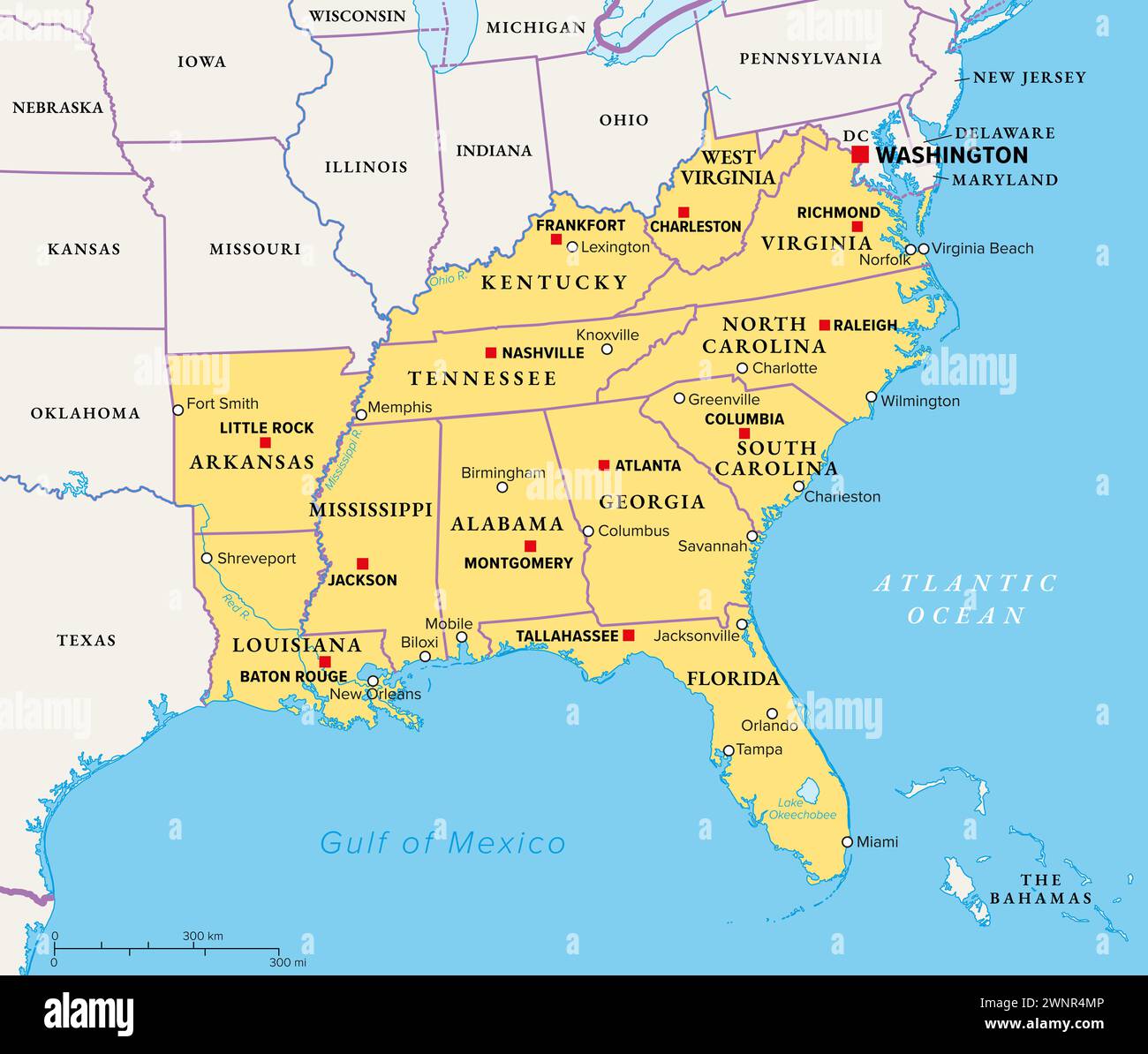
It is happening in other states too. In North Carolina, Amazon and utility partner Duke Energy planned 649 diesel generators to back up a new facility. They submitted separate permits, dodging a major review even though the site sits in a low-income community already burdened by heavy industrial pollution. Local groups argue that splitting the filings hides the true cumulative impact.
Michael Koerber, a retired deputy director of the Environmental Protection Agency's Office of Air Quality Planning and Standards, puts it bluntly. Developers want to fly under the radar. They hire consultants who know every shortcut in the book because public attention makes getting approved much harder.
Why Local Communities Pay the Price
The danger isn't just bureaucratic shorthand. It is about human health.
Hyperscale computing hubs consume energy equivalent to small cities. When the grid fluctuates or fails, those backup diesel generators fire up. They release dangerous levels of benzene, formaldehyde, and particulate matter into neighborhoods that often already suffer from high rates of heart disease and respiratory illness.
When permits are split, regulators miss the full picture. They look at a single minor application in isolation, completely ignoring the fact that three other minor facilities operate right next to it on the same campus, managed by the same master developer. Frederick, Maryland saw exactly this arrangement play out across multiple facilities sharing a single plot.
State regulators frequently accept corporate filings at face value. Attorneys with the Southern Environmental Law Center noted that agencies often trust wealthy corporations without demanding underlying lease agreements or operational contracts to verify who actually controls the equipment.
What Needs to Change
If you are tracking local industrial development or fighting to protect your neighborhood air quality, you cannot rely on state agencies to catch these maneuvers automatically.
You have to look at the cumulative footprint. When a new digital infrastructure project is announced near you, demand the complete picture of all backup power generation on the entire campus, not just the single building phase presented in front of the local zoning board. Challenge split filings immediately during the public comment window. Point out the combined emissions totals before regulators sign off on paperwork that treats two halves of the same power source as strangers.
The boom in artificial intelligence and cloud computing isn't slowing down. Unless regulators close the loophole that allows developers to slice and dice their pollution applications, communities near these massive energy sinks will continue breathing the unmonitored fallout of the digital age.