War is hell for civilians, but it is absolute gold for oil executives. As the conflict with Iran stretches through its sixth month, American energy giants are swimming in cash while everyday motorists foot the bill.
ExxonMobil just posted a massive second-quarter profit of $14.53 billion, doubling its haul from a year ago. Chevron did even better, nearly quadrupling its profits to $12.07 billion. Together, these two American titans pulled in a combined $26.5 billion in a single quarter.
If you are wondering why your commute costs a fortune and your utility bills keep climbing, look no further than the Persian Gulf. Here is what is actually happening behind those corporate earnings reports.
The Geography of a Windfall
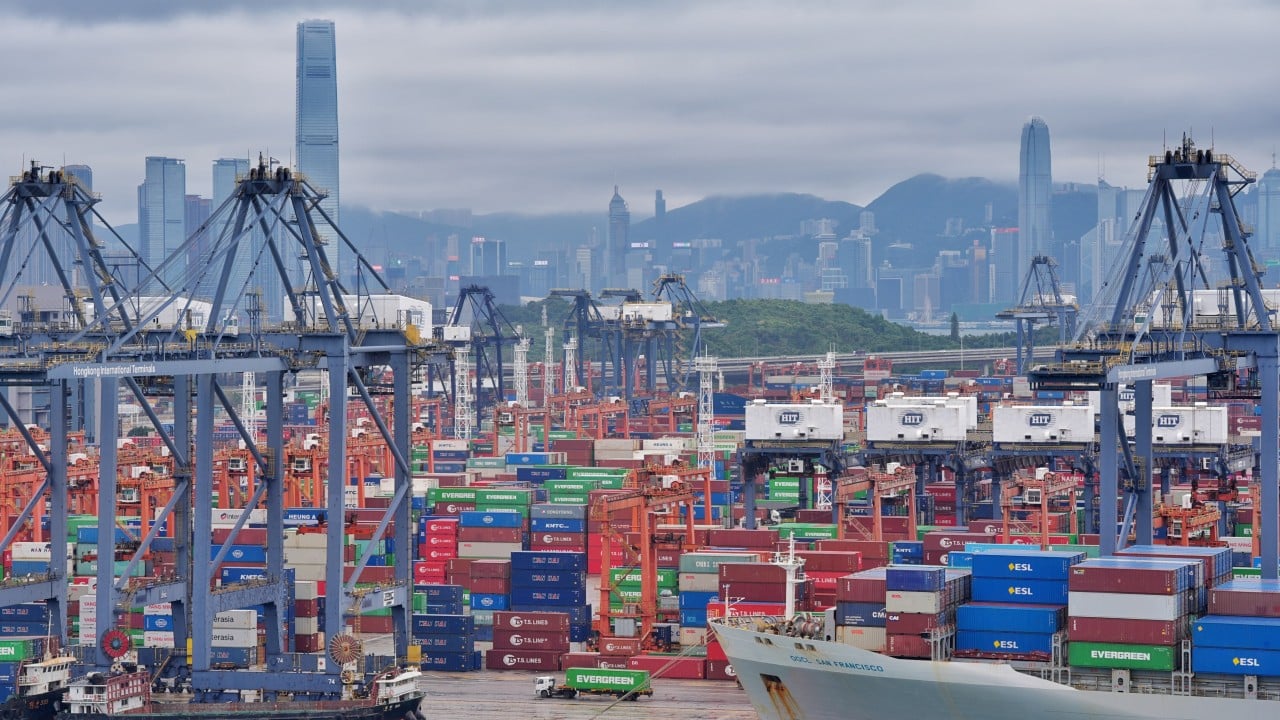
When fighting broke out and choked off vital shipping lanes like the Strait of Hormuz, crude prices spiked. That is basic market math. When supply drops drastically, prices shoot up.
Energy analysts point out that while early disruptions and paper derivative timing losses dragged down first-quarter numbers, the second quarter unleashed the full force of high oil prices. Exxon and Chevron are selling petroleum at rates we haven't seen since the onset of the Russia-Ukraine conflict in 2022.
Yet, executives are not rushing to pump more oil to lower your costs. According to market research from firms like Wood Mackenzie, major producers are sitting on their windfalls rather than sinking billions into risky new rigs. Why? Because if a ceasefire happens tomorrow, crude prices will crash, and nobody wants to be stuck paying off expensive new infrastructure. They prefer high margins on lower volumes.
Where the Money Actually Goes
Corporate balance sheets look pristine, but shareholders are the primary beneficiaries. Exxon bought back billions in stock and reaffirmed plans for heavy repurchases, while Chevron is balancing its own massive shareholder payouts alongside heavy capital investments like its integration of Hess.
Meanwhile, politicians on Capitol Hill are furious. Lawmakers are dusting off proposals for windfall profit taxes, arguing that public consumers shouldn't absorb all the risk while energy conglomerates rake in record cash. Industry lobbyists counter that free markets reward cyclical sectors, and punishing companies during a geopolitical crisis discourages long-term energy security.
You are caught in the middle. You pay extra every time you turn your car ignition or heat your home, knowing those dollars are floating straight into corporate dividends and share buybacks.
What Happens Next
Do not expect relief anytime soon. Energy markets remain hypersensitive to every military headline coming out of the Middle East. Even if shipping lanes open up tomorrow, the logistical backlog means high prices will linger for months.
If you want to protect your personal finances against future energy shocks, stop waiting for oil companies to lower prices out of the goodness of their hearts. Look at home efficiency upgrades, consider electric or hybrid vehicles if you are in the market for a new car, and keep a close eye on your local utility rates.
Big Oil is going to keep printing money as long as global conflict dictates the price of a barrel. You have to plan your budget accordingly.