For centuries, fossil hunting has felt like a giant lottery. You pack your rock hammers, hike into remote badlands, and hope luck is on your side. Most of the time, you find nothing.
That shotgun approach is finally over. Paleontologists have mapped 540 million years of marine fossil records to build a literal map of missing prehistoric life. They aren't looking for buried gold. They're tracking where Earth's biological history is still blank.
What they found flips conventional wisdom on its head. The richest untapped fossil deposits don't sit in the ancient, dinosaur-heavy strata you see in movies. They are hiding in much younger rock layers.
The Science Behind the Paleontological Gap
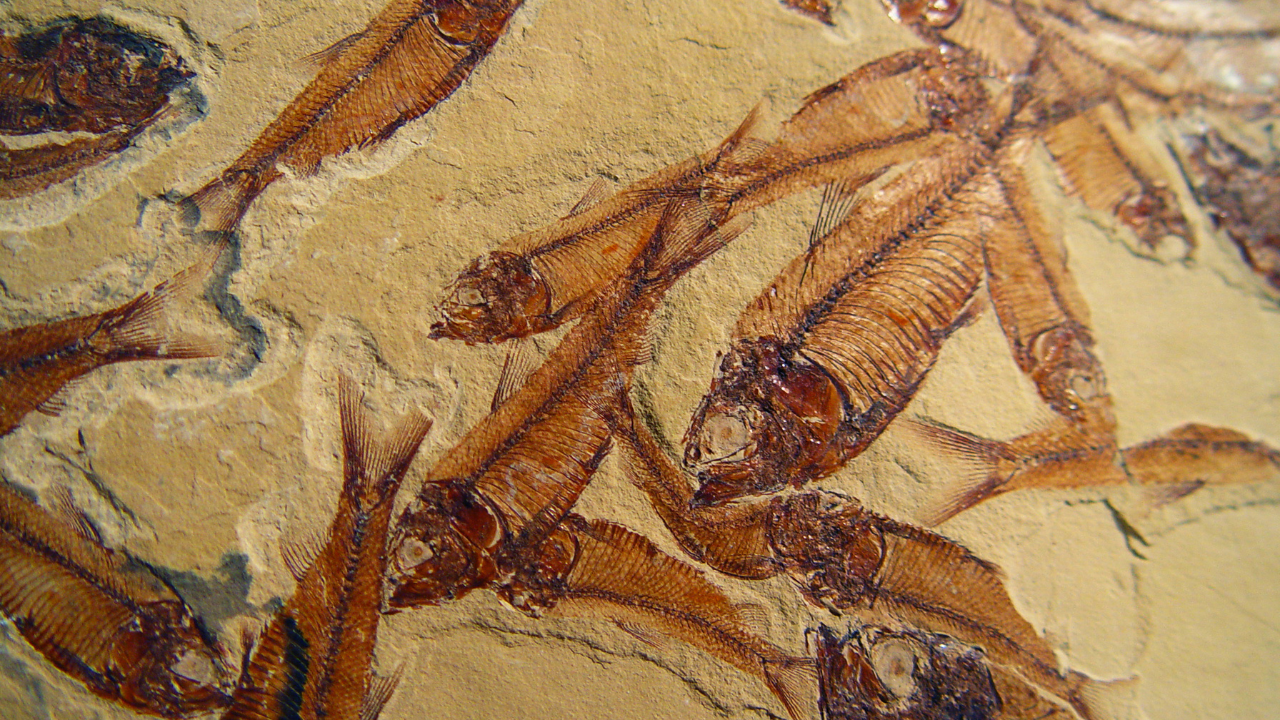
Fossilization is an absolute statistical anomaly. When a creature dies, scavengers eat it, bacteria rot it, and weathering obliterates what is left. Only rapid burial in sediment saves bones or shells from vanishing forever.
Because of this brutal filtering system, our view of ancient oceans is patchy. Researchers Thomas A. Neubauer and Mathias Harzhauser realized we've been guessing blindly for too long. They cross-referenced data from the Paleobiology Database with global geological records from Macrostrat.
They weren't just looking for empty spaces on a map. They specifically hunted for areas where shallow marine environments exist, where sedimentary rock is accessible, and where nobody has bothered to look yet. The resulting map separates true biological deserts from places where scientists simply haven't swung their hammers.
Why Younger Geological Strata Hold the Real Treasures
Ask anyone on the street where to find the best fossils, and they will point straight to the Paleozoic or Mesozoic eras. Trilobites from 500 million years ago or massive marine reptiles from the age of dinosaurs get all the glory.
Science tells a different story now. Those older eras have been picked clean. Academics have studied them to death. Digging another trench in a heavily researched Paleozoic rock face yields diminishing returns.
The real prize sits in the Cenozoic Era, which started roughly 66 million years ago after the asteroid wiped out the non-avian dinosaurs. Mammals took over the land, and the oceans underwent massive evolutionary shifts. Yet, shallow-water marine deposits from this era remain shockingly underexplored.
Take the Middle Miocene epoch, roughly 15 million years ago. It represents a massive gap in our documented marine records despite having incredible potential. Younger does not mean boring. It means we have entire chapters of marine evolution sitting right under our noses that we haven't bothered to read.
Moving Past Random Discovery
Fieldwork costs money, time, and serious physical labor. Paleontological expeditions can't afford to waste seasons digging in played-out sites.
This new mapping approach changes field strategy entirely. Instead of guessing, researchers can target sedimentary basins that match specific criteria for missing data.
Even better, the strategy applies to existing museum drawers. Thousands of dusty specimens sit in archives worldwide, collected decades ago from poorly documented regions. Re-examining those collections with modern analytical techniques can fill massive gaps without funding a single new expedition.
The Limits of the Map
It's easy to get carried away, but this map comes with strict boundaries. The data focuses exclusively on shallow-water marine environments.
If you are hunting for land-dwelling dinosaurs, Ice Age megafauna, or deep-sea abyssal creatures, this map won't help you. Those ecosystems require entirely different geological models and field techniques.
For marine paleontologists, though, the rules of engagement just changed. Earth's oceans spent hundreds of millions of years churning with life forms we've never imagined. We have spent centuries staring at the same old rock formations. The real discoveries are waiting in plain sight.