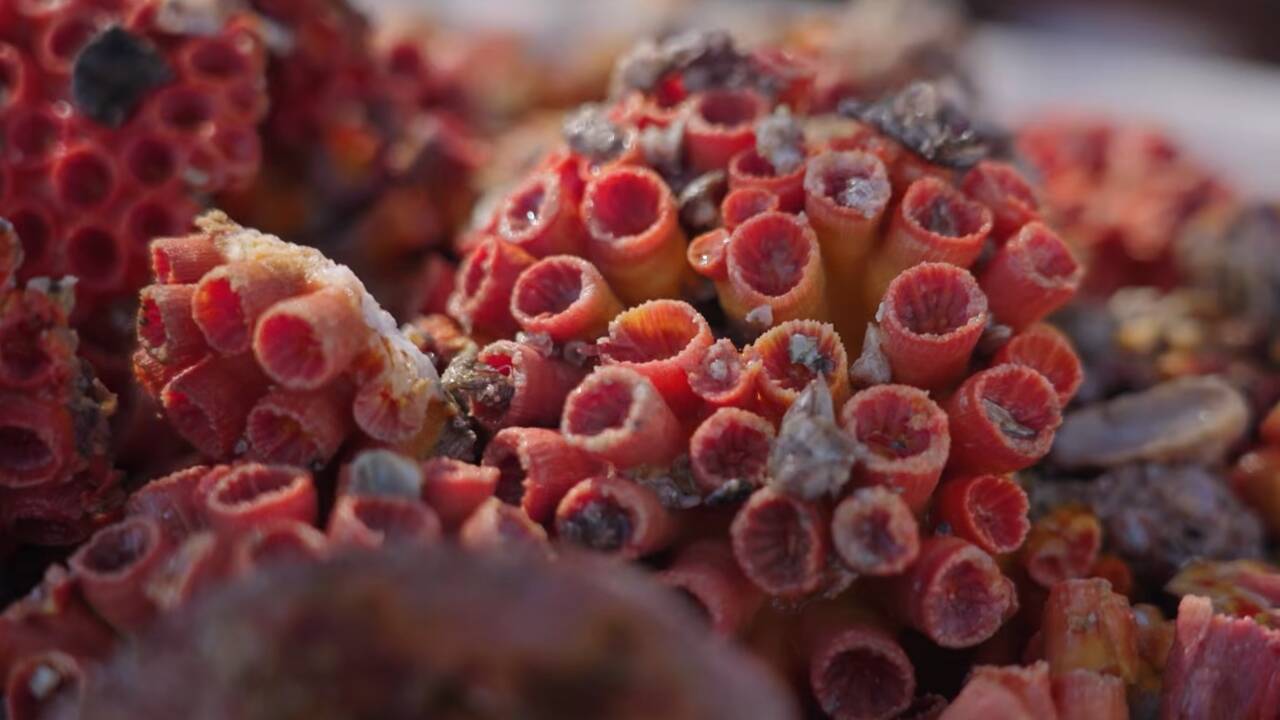
You wouldn't look at a vibrant neon orange coral colony and immediately think of a biological wrecking ball. They look pretty. They glow underwater. But off the coast of Rio de Janeiro, near iconic spots like Ipanema Beach and the Cagarras Islands, those bright colors signal an ecological emergency.
Volunteer divers are heading down into the Atlantic with specialized tools to scrape Tubastraea coccinea and Tubastraea tagusensis—commonly known as sun corals—off the rocks by hand. It’s grueling, meticulous work. If you leave even a tiny fragment behind, the colony can regenerate. And Brazil's marine life doesn't have time to wait. These Indo-Pacific invaders have already colonized roughly 3,500 kilometers of the Brazilian coastline.
If you want to understand how a seemingly gorgeous aquarium creature turns into a nightmare for native ecosystems, you have to look at how they got there and why stopping them requires brute-force manual labour.
How Sun Corals Took Over Thousands of Kilometers of Coast
Sun corals didn't swim across the Atlantic on their own. Marine biologists trace their arrival in Brazilian waters back to the late 1980s. They hitched rides on offshore oil and gas platforms operating in the Campos Basin, clinging stubbornly to metal structures and commercial ship hulls.
Once they arrived, they hit biological jackpot conditions. Brazil's tropical and subtropical waters offered plenty of space, warm temperatures, and zero natural predators. Without local species keeping their populations in check, sun corals began spreading at an aggressive clip—averaging about two kilometers of coastline per year.
They reproduce quickly, releasing larvae that settle on any hard surface they can find. They crowd out native species, locking horns with local organisms for every square inch of benthic real estate. When native brain corals like Mussismilia hispida come into direct contact with sun corals, they lose. Researchers have documented native populations suffering injury, disease, and total localized wipeouts wherever the invasive species establishes a foothold.
The damage ripples right up the food chain. Studies from the University of São Paulo show sharp drops in invertebrate biomass and diversity in areas heavily blanketed by sun coral. Local fish lose feeding grounds, and the entire structural integrity of the rocky reef ecosystem starts to buckle.
Why Manual Removal Is the Only Current Defense
You can't just drop chemicals into a protected marine sanctuary without destroying everything else. That leaves conservationists relying on the oldest, hardest method available: human hands.
Led by marine biologist Adriana Gomes and teams from agencies like the Chico Mendes Institute for Biodiversity Conservation (ICMBio), citizen scientists and volunteer divers are doing the heavy lifting underwater. They target sensitive areas like the Cagarras Islands—a federally protected archipelago sitting just five kilometers off Ipanema Beach—chipping the orange colonies away piece by piece.
It works, but it's a grind. Research published in Ocean & Coastal Management evaluated manual removal across multiple Brazilian sites and found that success depends heavily on persistence. A single sweep only works if the infestation is brand new and sparse. For established colonies, divers have to return in repeated cycles, roughly every two months, to drive the coverage down to zero and keep it there.
Miss a single trip or leave a micro-fragment stuck in a crevice, and the invasion bounces right back.
What This Means for Global Marine Conservation
The Brazilian sun coral crisis isn't just an isolated regional problem. It’s a textbook example of how globalization and maritime transport can quietly scramble native biodiversity decades before anyone notices the full extent of the damage.
Governments and environmental agencies launched Brazil's national control plan back in 2018, bringing scientists, public authorities, and volunteers together. Yet, the sheer scale of 3,500 affected kilometers means that volunteer divers working near Rio's famous beaches are fighting a massive war on a very small front.
Protecting native reefs requires constant monitoring, strict vessel hull regulations, and massive public awareness campaigns. Until automated or large-scale eradication methods catch up, the health of Brazil's underwater ecosystems rests heavily on the wet suits, scrapers, and sheer endurance of volunteers willing to dive in and do the dirty work by hand.