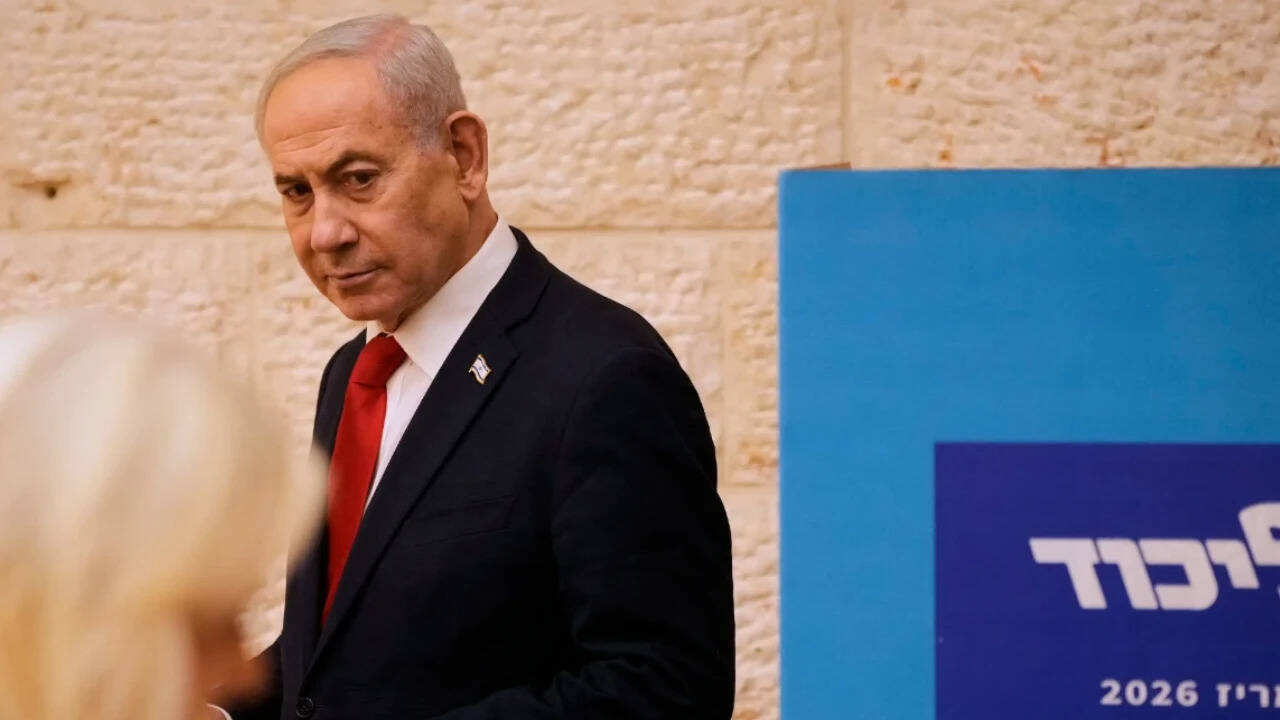
Elections in Israel rarely end cleanly, but the recent parliamentary outcome has pushed the country into a severe political gridlock. Benjamin Netanyahu's right-wing bloc fell short of a majority in the 120-member Knesset, securing only 53 seats despite Likud emerging as the largest single party with 27 seats. Faced with this math, Netanyahu floated the idea of a broad national government, yet immediately drew a hard line against partnering with Arab-led factions.
If you look at the numbers, his options are narrowing fast.
The Numbers Game and the Knesset Deadlock
The arithmetic of the current Knesset leaves very little room for error. While Netanyahu's traditional bloc sits at 53 seats, the opposing Zionist factions—including Yashar, B'Yachad, The Democrats, and Yisrael Beytenu—have publicly ruled out joining any coalition led by him. Meanwhile, Arab-led parties secured 19 seats, and other Jewish-led parties control the remaining 48.
Netanyahu explicitly slammed the door on depending on Arab parties like Ra'am and the Joint List, accusing them of rejecting Israel's existence as a Jewish state. That leaves him searching for defectors from the opposition or trying to convince rival party leaders to break their pledges. So far, opposition figures like Gadi Eisenkot are framing the result as a major political defeat for the incumbent prime minister, urging him to step aside.
Accusations, Certification Fights, and Legal Battles
Desperate to change the momentum, Likud attempted to delay the official certification of the election results. The party pointed to an ongoing inquiry into alleged foreign interference—specifically claims that outside actors like Qatar secretly funneled money to boost Arab voter turnout.
The legal push hit a brick wall. Supreme Court Justice Noam Sohlberg, chair of the Central Elections Committee, swiftly rejected the request to withhold certification. The panel ruled that it lacked the authority to intervene in the investigation and noted that even if foreign funding claims were proven true, they wouldn't alter the final seat distribution.
What Happens When Neither Side Can Win?
President Isaac Herzog is stepping in to hold formal consultations with political party leaders to chart a path forward. Herzog made it clear that avoiding yet another round of elections is the primary goal. Yet, finding a compromise looks nearly impossible right now.
The opposition smells blood, and Netanyahu is fighting for political survival. If neither side can bridge the ideological divide or poach enough votes to cross the 61-seat threshold, Israel might stumble into an unprecedented cycle of repeated voting.
The next few days of presidential talks will decide whether a compromise government emerges or if the country heads straight back to the ballot box.
Netanyahu Rejects Arab Parties After Israel Election Deadlock
This video provides an overview of Benjamin Netanyahu ruling out coalitions with Arab-led parties following the recent parliamentary deadlock.