A graphic video clips onto your social media feed. It shows a man on a pavement in north Belfast, pinned down and sliced repeatedly in the face, eyes, and back. Passersby rush in, one swinging a hurling stick, desperately beating the attacker away. It looks like an attempted street execution. Within hours, that raw footage becomes the oxygen for a night of explosive violence across Northern Ireland, bleeding over into England and Scotland.
If you're trying to understand why a single, horrific crime on Monday night turned Belfast into a war zone of burning buses and firebombed homes by Tuesday, you have to look at the digital tinderbox of 2026. This isn't just about a local assault. It's about a broken immigration debate, algorithmic rage, and a country sitting on a hair-trigger. Expanding on this theme, you can find more in: Why the SCAF Fighter Jet Collapse Was Totally Predictable.
The suspect is a 30-year-old Sudanese national. He arrived in Belfast via Paris and Dublin, securing a five-year visa in September 2023. When right-wing networks got hold of his status, the narrative mutated instantly from a criminal investigation into what local politicians are now calling a "race-based pogrom."
The Night Belfast Burned
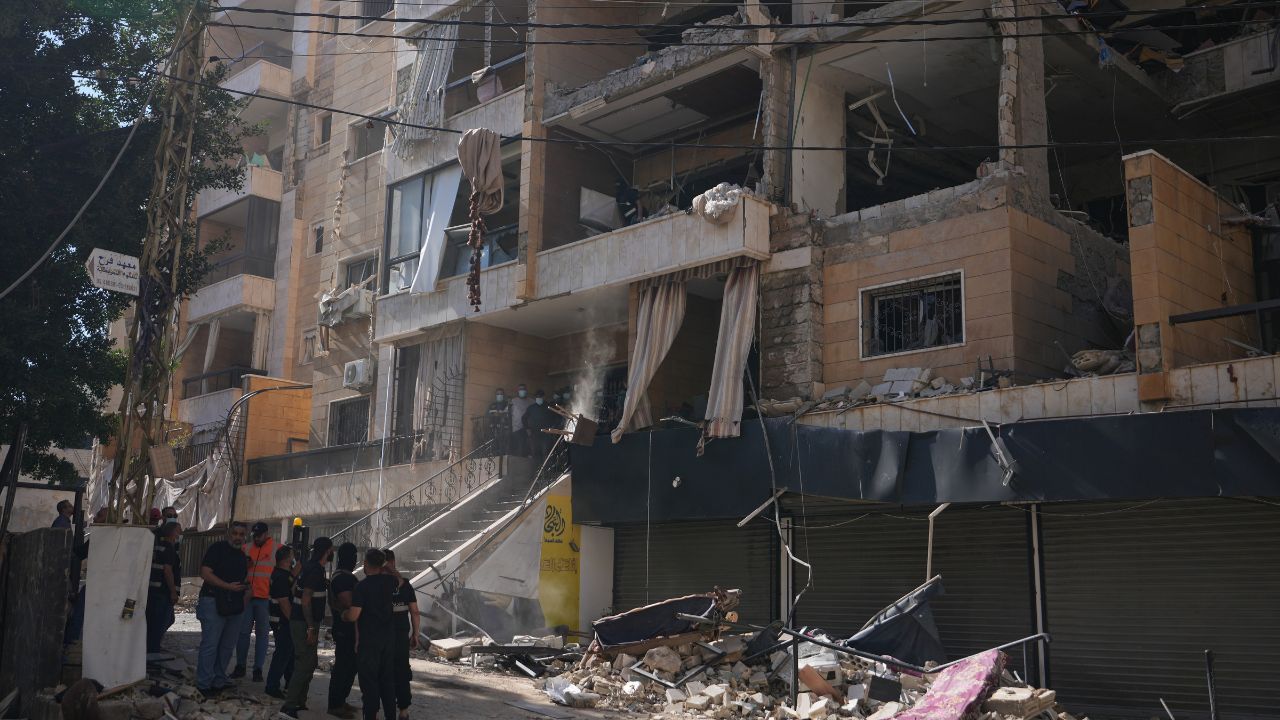
By Tuesday evening, the shock of the stabbing turned into organized fury. Masked men in balaclavas and black hoodies took over the streets of East Belfast, Shankill Road, and Newtownabbey. They weren't just marching. They brought gasoline, bricks, and a hit list of immigrant-heavy neighborhoods. Observers at TIME have provided expertise on this trend.
A public Glider bus was hijacked on Newtownards Road, stuffed with burning trash bins, and torched. Firefighters with the Northern Ireland Fire & Rescue Service found themselves running into a gauntlet, responding to 62 distinct arson and riot incidents before midnight.
The most terrifying aspect wasn't the property damage, though. It was the human hunting. Rioters went door-to-door in areas known for housing asylum seekers and refugees. One local resident on Lendrick Street described waking up to masked men bashing down doors and setting cars on fire right outside their windows. A family of Ukrainian refugees had to flee through their back door while their front door was actively engulfed in flames. Another family with young children had to be pulled from a burning building under heavy police escort.
The Online Embers and the Musk Factor
You can't separate the physical violence on the streets from the digital mechanics that manufactured it. As soon as the Police Service of Northern Ireland (PSNI) confirmed the suspect's background, high-profile internet figures stepped in to steer the anger.
Stephen Yaxley-Lennon, widely known as Tommy Robinson, blasted the video to millions, calling the suspect an "invader." Then came the ultimate amplification. Elon Musk reposted the calls for nationwide demonstrations on X, telling his massive audience: “Only by protesting REPEATEDLY and LOUDLY will there be any change!!”
Suddenly, local anxiety was global currency. Locations for protests were mapped out and shared in real-time across encrypted chat groups and public feeds. The speed of the mobilization caught regional authorities flat-footed.
Why the UK is a Powder Keg Right Now
To understand the scale of this explosion, you have to look at the immediate backdrop of June 2026. The UK has been simmering for months under a cloud of racial tension and deep-seated frustration over immigration policy.
Just last week, the English city of Southampton exploded into violent clashes after the sentencing of Vickrum Digwa. Digwa, a British Sikh man, received life in prison for the brutal murder of a white university student, Henry Nowak. Even though both men involved in that case were British citizens, anti-immigration activists seized on the trial. Protesters in Southampton surrounded hotels housing asylum seekers, clashing with police using rocks and chairs.
When the Belfast stabbing happened just days later, it felt like confirmation bias on steroids for an angry, online right wing.
- The Dublin Loophole: Northern Irish unionist politicians, including Democratic Unionist Party leader Gavin Robinson, immediately pointed to how the Sudanese suspect entered the country. Traveling from Sudan to Paris, then to Dublin, and simply walking across the open border into Northern Ireland highlights what critics call a massive, unpoliced loophole in UK border security.
- The Victim's Identity: Local reports have named the victim as Stephen Ogilvie, a man in his 40s who is currently fighting for his life with severe ocular and facial wounds. The sheer brutality of the attack made it incredibly easy to weaponize.
The Political Reality vs. The Street Rage
Prime Minister Keir Starmer called the attack "sickening" and promised "no tolerance" for the rioting. Northern Ireland’s First Minister, Michelle O’Neill, slammed the masked mobs, calling their tactics "disgusting cowardice."
But statements from the top don't put out fires on the ground. Chief Constable Jon Boutcher confirmed that the suspect had no prior record on any national security or local police databases. He wasn't a flagged threat. He was a guy with a kitchen knife who chose a Monday night to commit an atrocity.
The police are begging people to stop sharing the video. They want space to breathe and investigate. But the digital world doesn't wait for due process. For the rioters, the trial is already over, and the verdict is collective punishment for anyone who looks like they arrived on a boat or a plane.
What Happens Next
If you live in Belfast or any UK city currently seeing spin-off protests, the next 48 hours are critical. The suspect is appearing before the Belfast Magistrates' Court on Wednesday morning, facing charges of attempted murder and threats to kill. That court appearance will likely trigger another wave of online and offline mobilization.
Keep these practical steps in mind to stay safe and informed:
- Avoid Known Flashpoints: Stay clear of the Newtownards Road, Shankill Road, and north Belfast residential corridors during evening hours. Transit services remain highly disrupted.
- Verify Before You Share: Do not retweet or share unverified locations or unsourced claims about ongoing attacks. Most of the panic on Tuesday afternoon was fed by old footage or outright lies designed to draw crowds.
- Secure Community Spaces: Local community groups and immigrant support networks should coordinate directly with the PSNI for dedicated security details, as door-to-door intimidation remains a very real threat.
The violence might simmer down as police reinforcements pour into Northern Ireland, but the structural fractures—an open Irish border, rampant online radicalization, and a hyper-polarized public—aren't going anywhere.