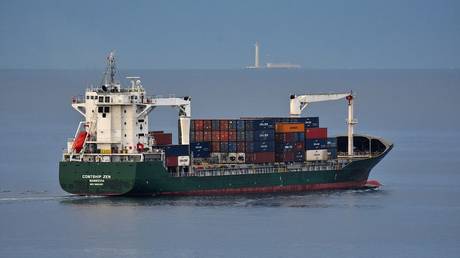
Seventy percent of the oil powering daily commerce doesn't just flow—it squeezes through a tiny maritime bottleneck. When that bottleneck closes, global markets panic. Bahrain recently stepped up at the United Nations General Assembly in New York, leading an eighty-nation coalition to demand the immediate, unconditional reopening of the Strait of Hormuz.
If you're wondering why a regional dispute in West Asia suddenly makes filling your gas tank or buying groceries costlier, you're looking at the right crisis. Let's break down why this international pressure campaign matters right now and what's actually happening behind closed diplomatic doors.
The Anatomy of a Chokepoint
The Strait of Hormuz is barely 21 miles wide at its narrowest point. Yet, a massive chunk of global energy supplies relies entirely on this single shipping lane sitting between Oman and Iran. When political friction turns into kinetic conflict, commercial vessels become sitting ducks.
Bahrain's Foreign Minister, Abdul Latif Al-Zayani, didn't mince words during the UN gathering. He pointed out that threats to international navigation aren't fading away; they're getting worse. Five months after a prior joint warning, the situation has deteriorated. Ships are getting hit, innocent lives—including an Indian national in a recent attack off the coast of Oman—are being lost, and the global food supply chain is buckling under pressure.
What Eighty Nations Are Actually Demanding
Getting eighty countries to agree on anything at the UN is practically a miracle. So when that many member states line up behind a Bahraini-led joint statement, it signals deep international anxiety.
The coalition's demands are straightforward:
- Safe, secure, and unhindered passage for all commercial vessels.
- Zero illegal transit fees, conditions, or arbitrary burdens placed on shipping companies.
- Full enforcement of UN Security Council Resolution 2817, which condemns regional attacks and obstructions to navigation.
Signatories argue that strangling global trade arteries directly causes higher prices, reduced crop yields, and widespread hunger. It's a domino effect. When fuel costs spike because tankers can't get through Hormuz, everything from trucking logistics to fertilizer production gets more expensive.
Tehran's Counter-Proposal and the Nuclear Factor
Iran sees things differently, naturally. Tehran denies responsibility for closing the waterway and points the finger back at Washington and Israeli military actions. Iranian officials claim their posture is a reaction to prior escalations, including high-profile assassinations and military strikes inside their sphere of influence.
Interestingly, diplomacy hasn't completely stalled. Iranian Foreign Minister Seyed Abbas Araghchi floated a seven-day framework through intermediaries. Under this proposal, if specific conditions are met, the Strait could reopen within a week, paving the way for renewed talks over Iran's nuclear program. Meanwhile, Iranian President Masoud Pezeshkian has publicly maintained that Tehran remains open to an agreement, provided the United States decides it actually wants to end the standoff.
What This Means for Global Markets
You don't need to be a geopolitical analyst to feel the ripple effects of a blocked Hormuz. Energy markets hate uncertainty. Every day cargo ships must alter routes or wait out military escorts, insurance premiums for maritime transport skyrocket. Those costs get passed directly down to consumers.
If you manage a supply chain, run a manufacturing business, or simply watch your monthly household expenses climb, keep an eye on how these back-channel talks progress. A breakthrough before upcoming political cycles could stabilize energy prices overnight. If the standoff hardens, expect lingering supply constraints to test economic resilience for months to come. Keep tracking international shipping rates and energy futures to stay ahead of the next price shock.