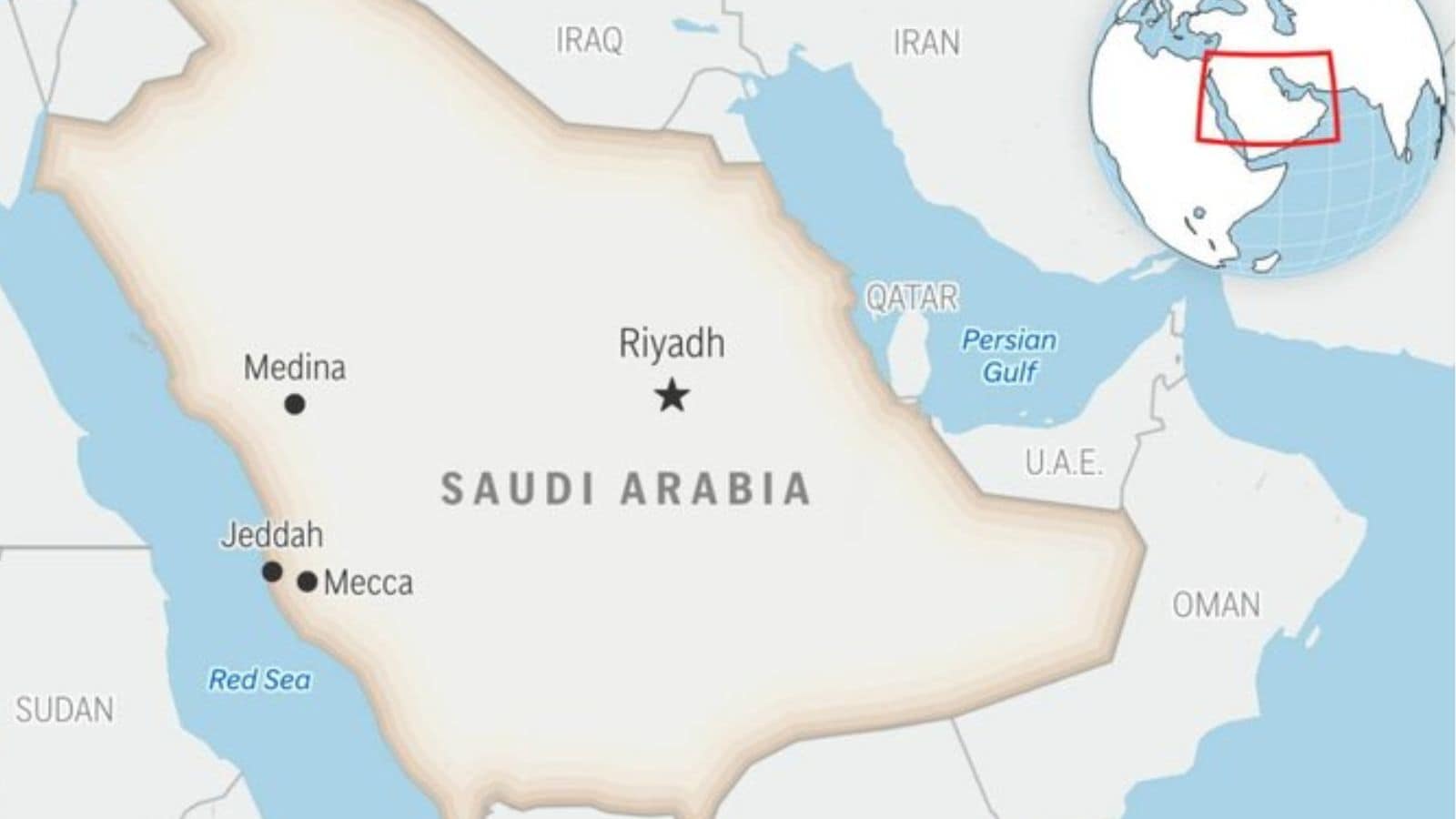
The fragile truce that held Yemen's multi-sided conflict in check is officially dead, and the shockwaves are hitting far beyond the Arabian Peninsula. When explosions rattled Riyadh's international airport, injuring dozens and sending passengers fleeing from terminals, it wasn't just a localized terror event. It was a clear signal that the war has broken containment. If you think distant Middle Eastern flashpoints don't affect your daily life, the unfolding crisis at the Bab al Mandab strait should make you think twice.
Behind the smoke at the airport lies a brutal, high-stakes territorial chess match. Forces aligned with the UN-recognized Yemeni government, spearheaded by the Southern Giants Brigades, claim they've mounted a sweeping offensive to retake the Bab al Mandab strait and Perim Island from Houthi control. The Houthis tell a completely different story, claiming their ballistic missiles decimated armored vehicles and inflicted heavy casualties on pro-government forces. Somewhere in the middle of these conflicting battlefield claims lies a stark reality: thousands of fighters are locked in violent combat over one of the most critical maritime choke points on Earth.
Why Bab al Mandab Keeps World Leaders Awake at Night
You don't need a degree in geopolitics to understand why this narrow strip of water matters. The Bab al Mandab strait connects the Red Sea to the Gulf of Aden, serving as the aquatic highway for a massive share of global trade moving between Asia and Europe. When Houthi rebels seized control of the strait and threatened to block commercial shipping, they basically put a choke collar on international supply chains.
The strategic value of Perim Island—a rocky, five-square-mile outpost sitting right in the middle of the strait—cannot be overstated. Whoever holds that island controls the lookout point for every oil tanker and cargo ship trying to transit from the Indian Ocean into the Red Sea. When the Houthis captured it weeks ago, shipping firms panicked. Now, the counteroffensive launched by Saudi-backed government forces aims to claw that control back, but the military gains remain fiercely contested. Official spokespersons claim half the area is retaken, while local witnesses report relentless clashes and soaring casualty counts.
The Return to Full-Scale War
The United Nations special envoy to Yemen, Hans Grundberg, didn't mince words when addressing the UN Security Council. He admitted flatly that Yemen has lapsed back into full-scale war. For the poorest nation in the region, the human cost is catastrophic. Women, children, and families bear the brunt of every shattered infrastructure line, every closed hospital, and every displaced community.
Meanwhile, the regional dynamics are getting messier. The Houthis continue their campaign of missile and drone strikes targeting Saudi infrastructure, aiming to pressure Riyadh and sever foreign backing for the Aden-based government. Airports like Riyadh's have become recurring targets, exposing vulnerabilities in regional air defense networks and terrifying civilian travelers. Saudi diplomats and regional allies are desperate for a decisive victory on the ground to halt the momentum, but military analysts warn that retaking rugged Yemeni terrain from entrenched insurgent fighters is a grueling, bloody proposition.
What Happens Next
The escalation in Yemen poses a direct threat to global energy markets and shipping costs. Every time a missile hits an airport or a naval choke point changes hands, insurance rates for cargo ships skyrocket, and those costs inevitably trickle down to consumer goods worldwide. Diplomatic solutions are stalling out as both sides double down on military options. If international actors fail to broker a credible ceasefire or secure the maritime lanes, the crisis in Yemen will continue to bleed outward, disrupting global commerce and deepening a humanitarian disaster that the world can ill afford to ignore. Take a close look at how supply chains react to regional instability—this is what a breakdown looks like in real time.