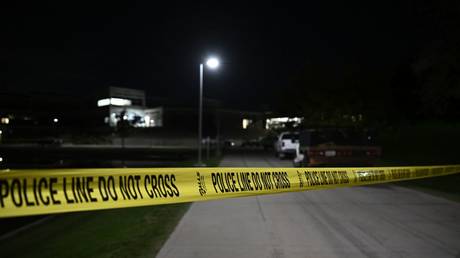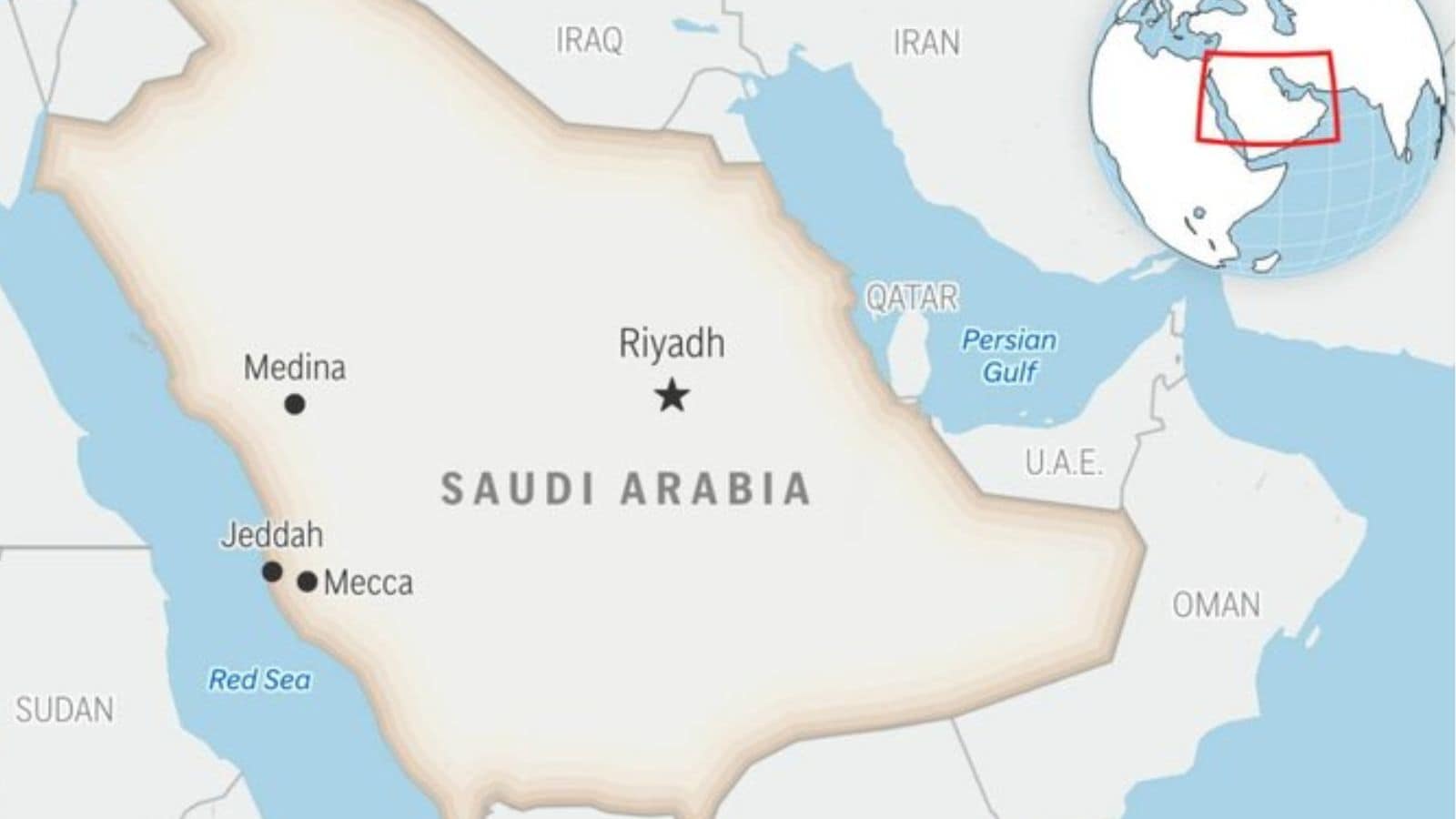
A missile just slammed directly into the passenger terminal at King Khalid International Airport in Riyadh, injuring multiple people and forcing an immediate evacuation of Saudi Arabia's primary aviation hub. Ambulances rushed toward the facility as smoke rose over the capital, while flight trackers showed massive civilian air traffic disruptions and cancellations rippling across international carriers like Kuwait Airways. This wasn't a distant skirmish on a remote border. This was a direct, devastating hit on civilian infrastructure in the heart of the Saudi capital, marking a dangerous escalation in the ongoing war involving Iran-backed Houthi rebels from Yemen.
If you've been following regional tensions, you know this attack didn't happen in a vacuum. It comes barely forty-eight hours after another deadly strike on the same airport killed three Saudi citizens, including a commercial pilot, and tore through a grounded aircraft. The frequency and precision of these assaults signal an alarming shift. The battlefield has moved from contested territories in Yemen directly into civilian air terminals, turning commercial flyers and airport personnel into frontline casualties.
Why King Khalid International Airport Became the Primary Target
Strategic geography explains part of the story, but political signaling explains the rest. King Khalid International Airport handles millions of international passengers annually and serves as the economic lungs for the kingdom's transit and trade sectors. Striking a passenger terminal sends a psychological shockwave that hitting an oil refinery or a military outpost simply cannot match. It creates instant global headlines, terrifies international business travelers, and forces foreign embassies—such as Canada's—to issue urgent travel advisories warning citizens to avoid all transit through the facility due to ongoing military activity.
For weeks, regional officials have noted that Saudi air defense systems are facing severe strain as the kingdom wages a major military offensive against Houthi positions in Yemen. Intercepting a relentless barrage of incoming projectiles drains resources fast. When defenses fail or get overwhelmed, the physical and human cost hits concrete and steel.
The International Fallout and Diplomatic Blind Spots
Global powers are starting to take notice, though reactions remain mixed. US President Donald Trump told reporters when questioned about the Riyadh airport attacks that it's "not good" and he's "not happy," yet direct military intervention or protective escorts from Western allies remain absent. Meanwhile, behind closed doors, diplomatic channels are scrambling. The Saudi and Omani foreign ministers recently held urgent phone consultations to explore diplomatic off-ramps, leaning heavily on Oman's traditional role as a regional mediator.
At the same time, domestic pressure inside Saudi Arabia is tightening rapidly. Local authorities issued strict warnings making it explicitly illegal to film, publish, or share any media related to incoming missiles, drones, or impact sites. Anyone caught posting footage online faces severe legal liability. This information lockdown aims to control panic and suppress visual evidence of defense failures, but it also creates an information vacuum for expatriates, families with loved ones traveling, and global markets trying to assess the true stability of the region.
What This Means for Global Travel and Air Security
If you have upcoming flights booked through the Gulf, you need to watch routing maps very closely. Major carriers have already begun halting services or rerouting flights away from Saudi airspace entirely. Aviation authorities are issuing fresh warnings that active missile defense operations create extreme hazards for civilian aircraft, including the terrifying risk of mistaken identification in contested skies.
The security calculus for commercial aviation in the Middle East has fundamentally broken down. Airlines can no longer assume that capital city airports are safe havens away from regional friction zones. As the conflict intensifies and air defense stockpiles thin out, travelers and logistics planners must prepare for sudden groundings, unpredictable route changes, and prolonged airspace closures across the Arabian Peninsula.