When White House security officers disabled press badges for reporters from MS NOW and turned them away at the gates, it wasn't just a routine security update. It marked the immediate physical fallout of a sweeping administration decree targeting specific news organizations.
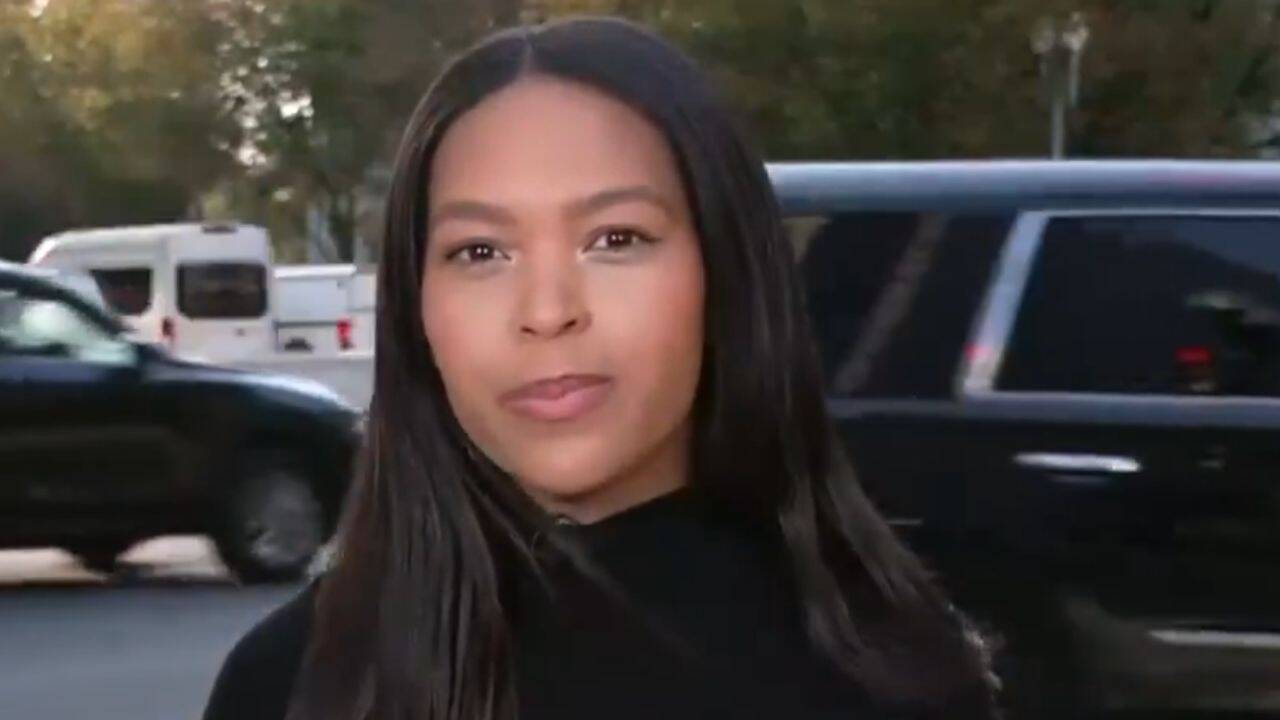
Donald Trump announced a total ban on journalists from MS NOW, CNN, and Politico entering the White House complex, citing years of what he labeled fake news and fiction. Within hours, reporters like MS NOW's Akayla Gardner arrived for their scheduled morning assignments only to have their credentials stripped away on the spot.
You can try to lock reporters out of the building, but you cannot lock away the questions they are paid to ask. This latest standoff exposes a deepening rift between the executive branch and independent media, raising urgent concerns about press freedom and how access gets weaponized in modern politics.
The Mechanics of White House Access Bans
Access is the ultimate currency in political journalism. When an administration pulls press credentials, the impact is immediate and disruptive.
On Saturday morning, security personnel stationed outside the White House grounds intercepted MS NOW correspondents. Officers collected badges and delivered a blunt message to reporters that the directive came from higher up and was entirely non-negotiable. Interestingly, consistency wasn't part of the rollout. While reporters and photographers found themselves barred from entry, certain behind-the-scenes producers from the exact same network managed to clear security checkpoints. That odd inconsistency highlights the chaotic nature of implementing a blanket media ban on short notice.
Trump defended the decision in the Oval Office by pointing to cumulative coverage over his administration's timeline rather than citing a single breaking news article. Outlets hit by the restrictions fired back quickly. Politico dismantled claims about receiving government subsidies, while CNN and MS NOW issued formal statements vowing to use legal and constitutional avenues to protect First Amendment protections.
A History of Retaliation and Press Restrictions
Blocking outlets from physical workspaces is far from new, but the current escalation represents a much more aggressive strategy.
Previous administrations found subtle ways to express displeasure with coverage, from off-the-record freezes to brief boycotts. Yet, physical lockouts paired with public declarations on social media platforms take the friction to an entirely different level. Consider what happened earlier with the Associated Press. That news agency faced restricted access to specific White House zones simply because editors declined to adopt the administration's preferred regional naming convention for the Gulf of Mexico.
When you mix legal threats, defamation lawsuits against major global networks like the BBC and The New York Times, and physical campus bans, the message is unmistakable. The administration wants to dictate not just the narrative, but the vocabulary and the participants allowed in the room.
What Happens When Independent Media Gets Locked Out
Shutting press rooms to critical voices creates a dangerous echo chamber. Journalism thrives on friction, cross-examination, and direct accountability. When reporters cannot question officials face-to-face inside the briefing room, government transparency takes a massive hit.
Refusing entry to newsrooms doesn't stop tough stories from being published. If anything, it motivates investigative teams to dig harder, rely deeper on anonymous whistleblowers, and bypass traditional institutional access altogether. You end up with an adversarial relationship transformed into an outright cold war, where the public loses out on unfiltered, direct answers to complex policy questions.
Protecting a free press requires pushing past administrative blockades and demanding accountability from those in power, regardless of political affiliation. Stand your ground, back independent reporting, and refuse to accept restricted access as the new normal.