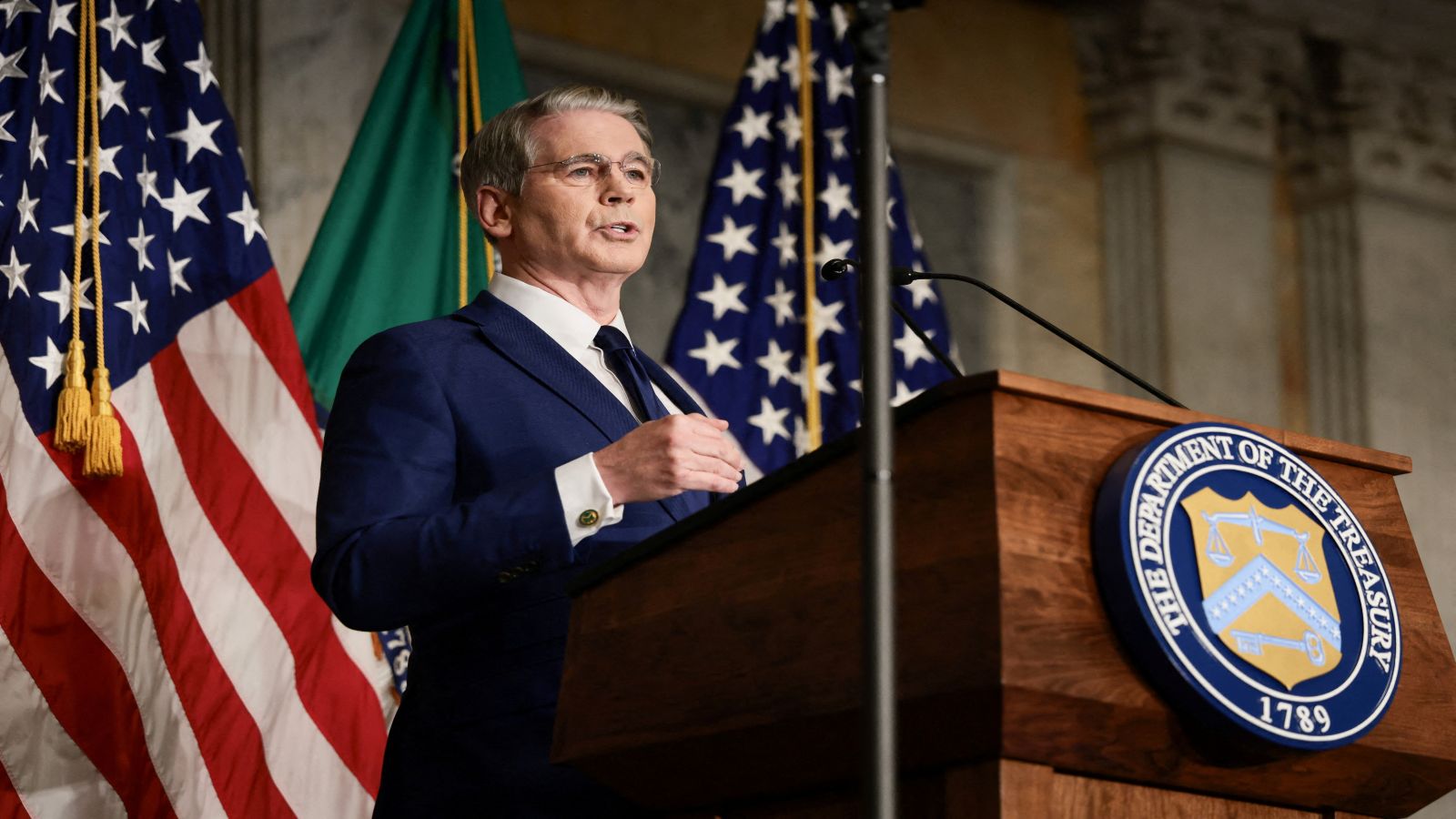
Washington isn't slowing down its economic pressure campaign against Tehran. Treasury Secretary Scott Bessent has made it crystal clear that the United States plans to roll out fresh secondary sanctions on a weekly basis, with international banking institutions sitting right in the crosshairs. If you've been watching how "Operation Economic Outcast" is unfolding, you know this is a massive escalation from past strategies.
Instead of relying solely on military actions to curb regional threats, the White House is betting heavily on financial warfare. The strategy is simple, brutal, and direct: cut off any financial institution that dares to handle Iranian capital or assist the regime.
Banks on Notice
The crackdown kicked into high gear when the Treasury Department cracked down on a branch of Egypt's Banque Misr operating in the United Arab Emirates over alleged financial ties to Tehran. That move wasn't a one-off event. Bessent signaled that financial institutions doing business with Iran face the very real threat of being completely severed from the US dollar-based financial system.
When you tell global banks they have to choose between dealing with Tehran or retaining access to the Western financial architecture, most will drop Iranian accounts overnight. Compliance departments everywhere are scrambling to audit their ledgers. No major international bank wants to risk total exclusion from dollar transactions over a few high-risk accounts.
Pressuring the G20
Bessent took this message straight to the G20 finance ministers and central bank governors meeting in Asheville, North Carolina. The diplomatic push is blunt: either you align with Washington's maximum-pressure campaign, or you face secondary penalties. There's no middle ground left.
The challenge, of course, is that global cooperation isn't always easy to secure. Countries like China continue to buy heavily discounted crude oil, while other nations maintain delicate trade balances with Tehran. Yet, the Treasury is betting that the sheer gravity of the US dollar will force international compliance, even among reluctant trading partners.
The Toll on the Ground
Back in Tehran, the squeeze is tightening fast. The Iranian rial has hit historic lows on the open market, inflation remains cripplingly high, and ordinary citizens are bearing the brunt of the economic collapse. While Iranian officials claim these measures will fail, the reality on the street tells a different story.
Whether this weekly drumbeat of sanctions will force the regime back to the negotiating table remains an open question. What's certain is that the rules of international banking have changed overnight. If you're managing cross-border transactions or running a financial institution with any exposure to the Middle East, ignoring Washington's warnings is a gamble you simply cannot afford to take.
US Treasury Secretary Scott Bessent announces sweeping new sanctions
This video provides additional context on Treasury Secretary Scott Bessent's announcement regarding sweeping new sanctions aimed at severing Iran's remaining economic lifelines.
http://googleusercontent.com/youtube_content/1