The political tremors in Dhaka just turned into an earthquake. A special tribunal has handed down death sentences to seven senior figures of the ousted Awami League, including former minister Obaidul Quader, for their role in crushing the July 2024 mass uprising.
If you think this is just another routine political fallout, you're missing the bigger picture. This move alters the entire landscape of South Asian politics, signaling a point of no return for Sheikh Hasina's fallen regime.
Let's break down what's actually happening behind the headlines, why these high-profile trials in absentia matter, and where the region goes from here.
Inside the Tribunal Verdict
The International Crimes Tribunal in Dhaka didn't hold back. Headed by Justice Nazrul Islam Chowdhury, the three-member bench condemned seven heavyweights of the former ruling party for crimes against humanity.
The list of convicts reads like a roster of the old regime's power structure. Alongside Quader, the tribunal sentenced party joint general secretary AFM Bahauddin Nasim, executive committee member Mohammad Ali Arafat, Jubo League leaders Sheikh Fazle Shams Parash and Md Mainul Hossain Khan Nikhil, and Chhatra League heads Md Saddam Hossain and Sheikh Wali Asif Inan.
Since most of these figures fled the country after Hasina's dramatic ouster, the trials took place in absentia. Critics often argue that trials without the defendants present lack teeth, but the tribunal's punitive measures extend far beyond symbolic rulings.
Striking Where It Hurts: Property and Compensation
Judges aren't just issuing paper sentences. The tribunal ordered the immediate confiscation of half of all movable and immovable properties belonging to key convicts like Quader, Nasim, Arafat, Parash, and Nikhil.
Even more notable is where that money goes. The court directed that proceeds from selling these confiscated assets must fund compensation packages for families of those killed or injured during the July uprising, channeled through statutory bodies like the July Foundation.
It's a direct attempt to bridge justice and restitution. Families who lost loved ones on the streets now have a legal mechanism tied directly to the assets of the people who held power during the crackdown.
The Absentee Leadership and the Battle for Narrative
Sheikh Hasina and former home minister Asaduzzaman Khan Kamal received their own death sentences in late 2025. Adding seven more top-tier leaders to that list cements a clear judicial trajectory.
Hasina isn't backing down quietly. From abroad, she announced plans to return to Bangladesh to put the nation back on track, unfazed by the threat of imprisonment or execution. Meanwhile, Obaidul Quader took to social media right after the verdict, quoting historical defiance and warning that fear is the only weapon left for the current establishment.
This sets up a brutal psychological and political chess match. The interim authorities are trying to institutionalize accountability and block any political resurrection of the Awami League. On the other side, exiled leaders are framing the trials as politically motivated victor's justice.
What This Means for Everyday Politics
If you're watching Bangladesh from the outside, it's easy to view this as a purely legal story. It isn't. It's about societal closure.
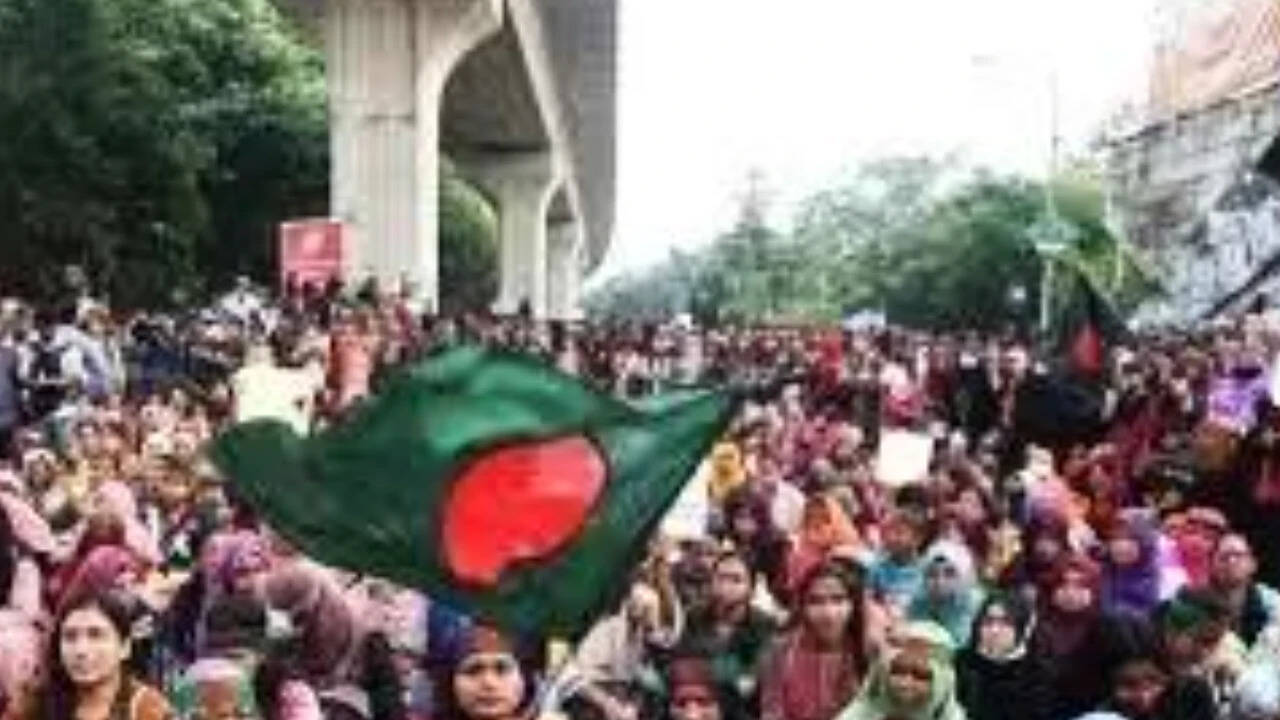
The July uprising wasn't a standard political protest. It was a massive, bloody youth-led revolution that completely upended decades of political hegemony. For the generation that took to the streets, these death sentences and property confiscations validate the sheer cost of their sacrifice.
Yet, practical challenges remain immense. Can a polarized nation heal when judicial sentences target an entire political apparatus? Will property seizures actually reach the victims' families without getting bogged down in red tape? These are the questions that will define the next phase of the interim government's tenure.
Accountability is finally arriving through the courtroom doors, but the real test is whether these rulings can establish long-term stability or merely deepen old wounds. Keep your eyes on Dhaka as December approaches. The political showdown is only heating up.