A packed live music venue shouldn't turn into a death trap in less than thirty minutes. Yet, that's exactly what happened late Sunday night in Thailand's capital. The devastating Bangkok pub fire at the Rong Beer Na Lat Phrao bar has left at least 27 people dead and 63 others injured. Right now, 22 survivors are fighting for their lives in critical condition, hooked up to intubation tubes across 16 different hospitals.
People are searching for answers. They want to know how a popular nightlife spot in the Chatuchak district, which actually passed a safety inspection in April, could fail so catastrophically. The tragic reality is that most of these deaths weren't caused by raging flames. Toxic smoke and blocked exit routes did the killing.
Inside the Rong Beer Na Lat Phrao Inferno
The clock was ticking toward midnight. Around 300 customers were inside the single-storey concrete building on Lat Phrao Road, enjoying live music. It was a normal Sunday night crowd, though the venue often holds twice that many people on peak weekends.
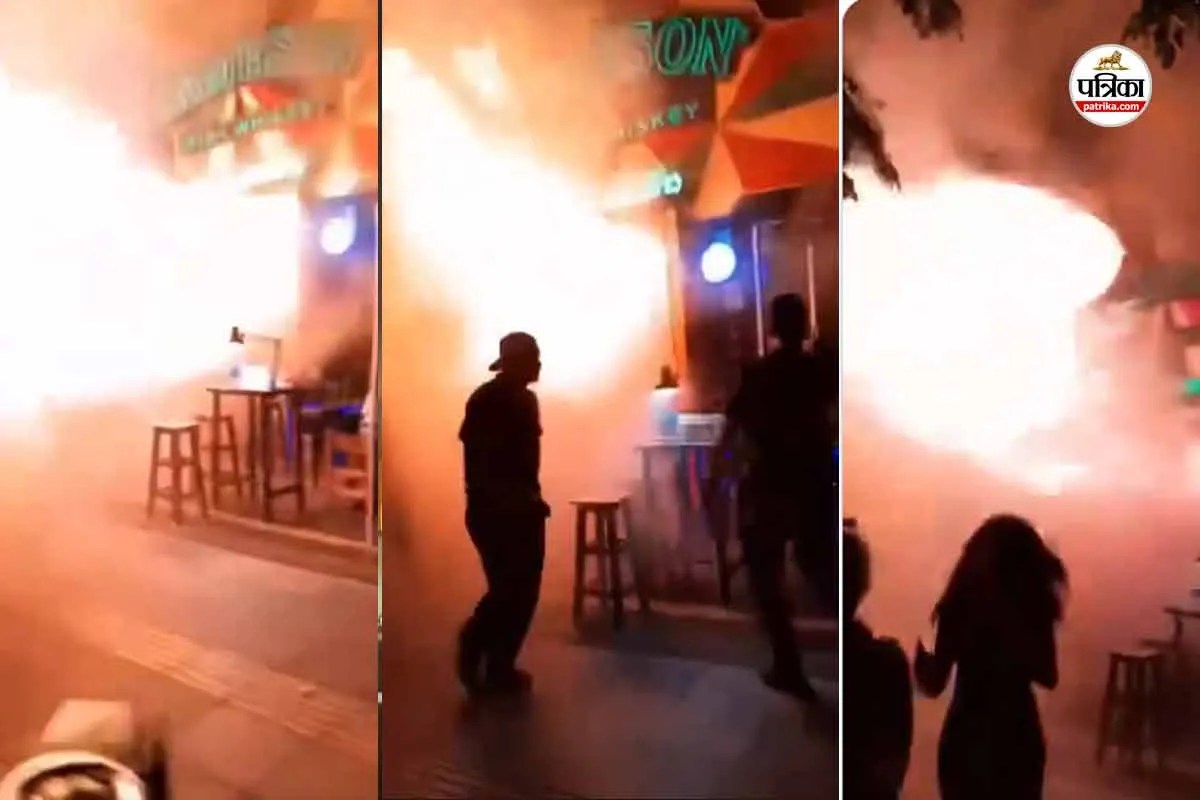
Then the lights blinked. Band members later reported seeing smoke pouring from a circuit breaker near the main stage. A sudden blackout plunged the entire room into darkness. Seconds later, a loud explosion rocked the venue.
Flames caught the decorative materials lining the ceiling. It didn't take long for the fire to travel. Within minutes, thick, black, toxic smoke completely filled the air.
Survivors described total chaos. When the power cut out, people lost their bearings. It was dark, suffocating, and there was zero oxygen left to breathe. A Facebook video captured by a witness showed terrified patrons bursting through the front entrance, some with their clothes literally on fire, screaming for help. Nearby motorcycle taxi drivers rushed over, using their own clothes to smother the flames on burning victims.
The Bathroom Traps and Blocked Exits
Why was the death toll so high? Investigators are focusing heavily on the building's layout and structural failures.
When the fire broke out near the front stage, it cut off the main entrance for many patrons. Naturally, people panicked and ran away from the flames toward the back of the building. Thai Prime Minister Anutin Charnvirakul visited the scene and confirmed a horrifying detail. Most of the victims were found piled near the bathrooms at the rear.
They ran into a dead end. The bathrooms didn't have exit doors. Trapped in a confined space while thick smoke rapidly filled the venue, they quickly lost consciousness from smoke inhalation. The dead included nine men and 18 women.
Bangkok Governor Chadchart Sittipunt noted that while the venue held a proper restaurant and live music license, what happens during an official inspection doesn't always match daily operations. Early reports from rescue teams indicate that the venue's secondary emergency exits, which cut through the kitchen area, were severely obstructed. Stacked beer crates and heavy tables blocked the paths.
Emergency teams arrived within five minutes of the first call. But they couldn't get inside easily. The interior was a maze of overturned furniture, and the heat was punishing. Firefighters wearing oxygen masks had to navigate the pitch-black, smoke-logged ruins with flashlights just to pull bodies out.
Structural Failures Overriding Legal Compliance
This disaster shines a harsh light on a massive flaw in nightlife safety enforcement. Venues often clean up their act for inspectors, get their paperwork stamped, and immediately create hazards the next day by blocking exits with inventory.
The building's ceiling decorations were highly flammable. They ignited instantly and produced the poisonous gas that disoriented the crowd. Even though the plastic chairs on the floor remained mostly intact, the ceiling materials acted like a fuse, spreading the hazard over everyone's heads.
Thailand has suffered through this exact scenario before. This nightmare brings back painful memories of the 2009 Santika Club fire in Bangkok, which killed 66 people on New Year's Day, and the 2022 Mountain B pub fire in Chonburi that claimed 14 lives. In every single instance, flammable interior foam, lack of clear signage, and locked or blocked doors turned a fun evening into a mass casualty event.
Survival Steps for Nightlife Hazards
You can't control how a venue manages its floor plan, but you can change how you navigate these spaces.
Don't just walk into a crowded club and focus on the bar. Spend thirty seconds locating the alternative exits. If the main entrance gets cut off by a stage fire, you need to know exactly where the secondary doors are before the lights go out.
If you ever see smoke or smell burning plastic, don't wait for an official announcement or for the music to stop. Leave immediately. Minutes matter. If the room fills with smoke, drop low to the floor where the air is cleaner and move deliberately toward an exit, avoiding blind corners like restrooms.
Local authorities are currently auditing nightlife establishments across Bangkok to check for blocked pathways and unapproved structural modifications. Expect strict crackdowns on venue owners who compromise customer safety for extra storage space.