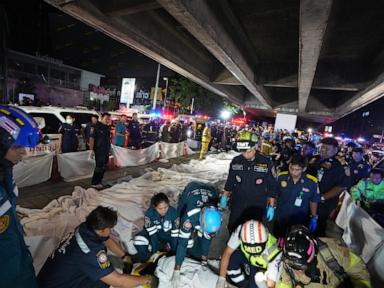
The music stopped, the lights cut out, and within seconds, a popular night out turned into an absolute nightmare.
Early on Monday morning, July 13, 2026, a massive fire ripped through the Na Ladprao pub in northern Bangkok. It took less than thirty minutes for the blaze to tear the venue apart. When the smoke finally cleared, at least 27 people were dead and 63 others were hospitalized. Emergency responders found dozens of victims trapped in the back of the building, huddled in restrooms where they had sought refuge from the suffocating black smoke.
This isn't just a freak accident. It's a systemic failure that keeps happening in Thailand nightlife hubs. The details coming out of the Chatuchak district reveal a familiar, frustrating pattern of electrical failure, poor venue design, and a complete lack of emergency exits.
The Midnight Chaos at Na Ladprao Pub
Everything seemed completely fine until midnight struck. The venue, also known locally as Rong Beer Na Lat Phrao, was packed with patrons listening to live music.
A musician performing on stage noticed the first sign of danger. Smoke began pouring out of a main circuit breaker located right near the stage. Seconds later, the power failed completely. The venue plunged into total darkness. Then came a loud explosion.
Thick, toxic smoke filled the room almost instantly. When the power died, panic took over. Survivors reported that navigating the pitch-black, smoke-filled room was nearly impossible. People couldn't see the exit. They couldn't even see the person standing next to them.
First responders arrived to find massive flames shooting out of the main entrance. Plumes of black smoke billowed high into the night sky as desperate patrons tried to break through the front doors. Firefighters managed to bring the flames under control within thirty minutes, but by then, the damage was already done.
What Went Wrong Inside the Venue
The high death toll comes down to how the building was laid out. Bangkok Governor Chadchart Sittipunt reported that 63 people were rushed to nearby hospitals, with 22 of them remaining in critical condition. Many of those rescued were completely unconscious. Some didn't even have identification on them, making the immediate identification process a nightmare for local officials.
Singer Sukanya Wongwongwai rushed to the scene after hearing about the fire. Her friends were playing in the band that night. She later confirmed that one of her bandmates died in the blaze, three were hospitalized, and another remained missing in the immediate aftermath. The accounts she gathered from survivors all pointed to the exact same issue. The moment the electricity failed, the venue became a dark maze.
Why did so many people end up in the restrooms? When a fire breaks out near the stage, it often blocks the main exit for anyone sitting toward the back of the room. Without clear, illuminated emergency exit signs that run on independent battery power, people naturally run away from the flames. In this case, running away from the stage meant running straight into the dead-end bathrooms at the rear of the building.
Trapped with nowhere left to go, victims succumbed to smoke inhalation within minutes. The synthetic materials used in modern pub interiors, like cheap acoustic foam used for soundproofing, produce highly toxic gas when ignited. It takes only a few breaths of that smoke to knock a person unconscious.
Repeating History in Thailand Nightlife
We've seen this exact tragedy play out before, and that's the most infuriating part of the situation. Thailand has a history of nightclub fires that closely mirror what just happened at Na Ladprao.
Look back to August 2022. A fire broke out at the Mountain B music pub in the Sattahip district of Chonburi province, roughly 100 miles southeast of Bangkok. That fire killed 14 people on the spot, and the death toll rose in the following weeks. The cause was identical. Flammable acoustic foam on the ceiling caught fire during a live music performance, and the venue was operating without the proper entertainment license.
Go back even further to January 1, 2009. The Santika nightclub fire in Bangkok remains one of the worst nightlife disasters in recent history. During a New Year celebration, indoor fireworks ignited the ceiling. The club was packed with around 1,000 guests. The disaster killed 66 people and injured more than 200 others. The investigation later revealed that the venue had only one main exit for the public, the windows were barred, and the building lacked basic fire safety inspections.
The fact that we are in 2026 and still dealing with the exact same structural issues proves that the lessons of Santika and Mountain B were never truly learned.
The Real Cost of Lax Enforcement
Prime Minister Anutin Charnvirakul visited the scene early Monday to oversee the initial investigation. While the government promises a full inquiry into the circuit breaker explosion, the broader issue points directly to enforcement.
Entertainment venues frequently modify their spaces without securing the correct permits. A building registered as a standard restaurant might be quietly converted into a fully enclosed live music pub. When you add heavy soundproofing, stage lighting, and massive sound systems without upgrading the electrical mains or adding extra fire exits, you create a firetrap.
Inspectors often overlook these violations until a disaster occurs. A venue needs multiple, clearly marked exits that open outward. It needs working fire extinguishers behind the bar and near the stage. It needs automatic sprinkler systems and interior materials that resist fire rather than accelerate it. When these rules are ignored, patrons pay with their lives.
The Survival Guide for Nightlife Safety
You shouldn't have to worry about building codes when you go out for a drink, but reality says otherwise. You have to look out for yourself.
Whenever you step into a crowded pub or club, take five seconds to locate the exits. Don't just look at the front door you walked through. Look for the green exit signs. Check if those emergency doors are actually clear or if they are blocked by beer crates, stage equipment, or trash cans. If a venue feels overcrowded and you can barely move, leave.
If you ever find yourself caught in a venue fire, remember these immediate steps.
- Get low immediately. Toxic smoke rises and fills the ceiling first. The cleanest air will always be closer to the floor.
- Avoid the restrooms. Bathrooms are a natural trap. They rarely have windows large enough to escape through, and they offer zero protection against smoke.
- Move away from the stage. Electrical fires usually start near the sound equipment or the stage lighting. Head for the perimeter walls to find alternative exits.
- Cover your mouth. Use a shirt, a napkin, or any piece of cloth, preferably wet, to filter out the worst of the toxic particles.
Practical Steps for Immediate Safety Reform
Words of condolence from officials won't fix this problem. The Bangkok Metropolitan Administration must launch an immediate, unannounced audit of every single entertainment venue operating in the city.
Venues that fail to show certified fire exits, functional emergency lighting, and up-to-date electrical inspections must be shut down on the spot. No warnings, no fines, just immediate closure until they comply. Property owners who operate commercial spaces without the correct zoning or entertainment licenses need to face severe criminal charges, not just minor financial penalties.
The tragic loss of 27 lives at Na Ladprao pub must be the absolute final wake-up call for city officials. Safety regulations are written in blood, and ignoring them is no longer an option.