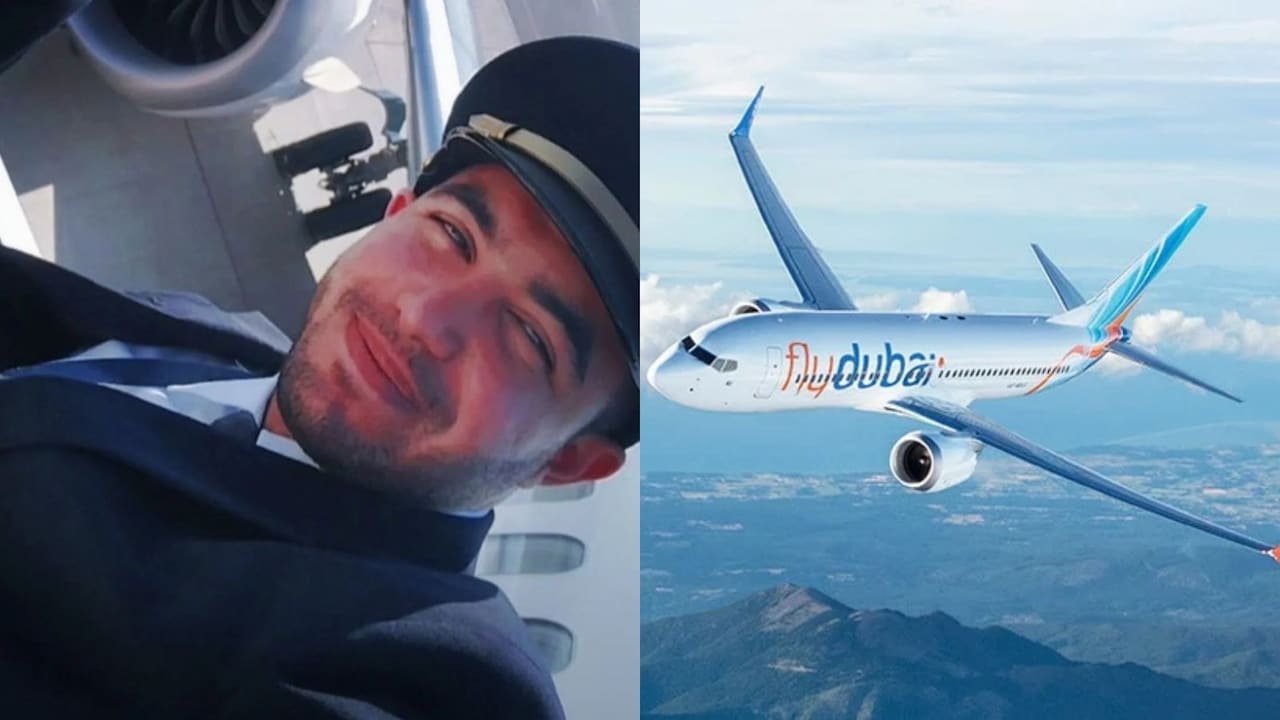
A commercial flight is supposed to be a secure tube flying at 35,000 feet, guarded by strict international protocols and locked cockpit doors. On September 30, that illusion shattered completely. flydubai flight FZ1073 nearly turned into a airborne catastrophe when co-pilot Hamam al-Hammami allegedly attacked the captain with an axe inside the flight deck.
While quick thinking by Indian pilot Smit Machchar and passenger intervention averted a total disaster, the fallout has triggered fierce global scrutiny. Former Israel Defence Forces spokesperson Jonathan Conricus recently laid bare the uncomfortable reality during an interview. The airline failed. The UAE owes the international community honest answers.
The Cracks in Cockpit Security
Modern aviation operates on a baseline of trust. Airlines assume that rigorous background checks, psychological evaluations, and professional vetting keep extremist elements out of the flight deck. The flydubai incident exposed how fragile that assumption really is.
Investigators are scrambling to understand how a commercial co-pilot managed to smuggle an axe into the cockpit and launch a targeted assault. Early theories pointed toward a lone-wolf actor operating out of self-radicalization. New witness accounts from Israeli passengers on board tell a far more disturbing story.
Questions Surrounding the Crew
Eyewitness accounts complicate the lone-wolf narrative. Passengers reported that specific flight attendants attempted to loosen the accused co-pilot's restraints after he was subdued. Other claims suggest crew members tried to administer a mysterious pill to the wounded Indian captain while blocking passengers from recording the chaos.
Even more suspicious is the composition of the cabin crew. Reports indicate the flight was staffed exclusively by male flight attendants. Investigators are now investigating whether al-Hammami had internal accomplices ready to assist him during the attack. Two Maldivian flydubai pilots have already been detained on suspicion of maintaining direct links to the accused co-pilot.
Without complete transparency from aviation authorities in the UAE, rumors will continue to fill the vacuum. Were there handlers on the ground? Who funded the operation? The international community deserves to know whether this was an isolated event or part of a wider terror network.
The Future of Global Aviation Vetting
Aviation authorities are facing mounting pressure to overhaul how they screen cockpit staff. Traditional background checks are no longer enough to catch individuals who slip through the cracks of current psychological and ideological screening protocols.
Airlines may soon adopt much harsher security measures, including mandatory polygraph tests, continuous behavioral monitoring, and strict vetting procedures that some critics might label as invasive profiling. When commercial aircraft can be weaponized from the inside, traditional comfort must take a backseat to absolute survival.
The aviation industry cannot afford another near-miss like flight FZ1073. Real accountability starts with admitting where the system broke down and fixing the vulnerabilities before the next flight takes off.