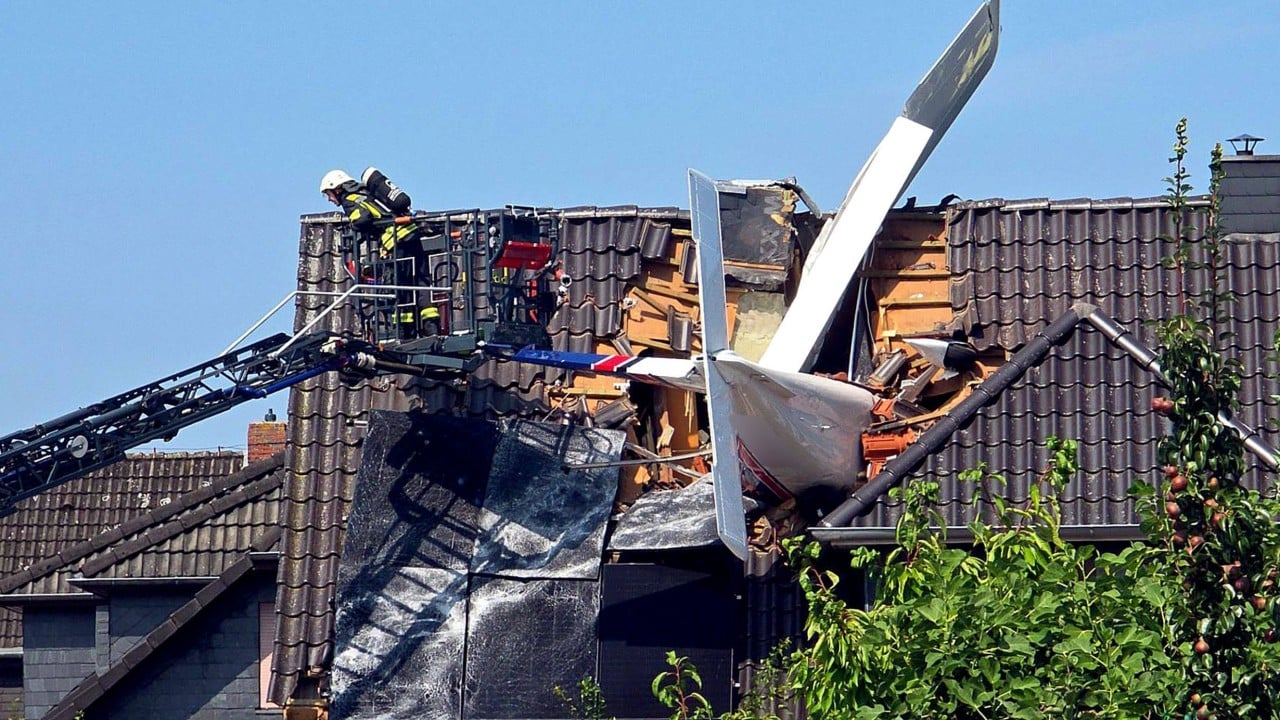
Quiet residential neighborhoods aren't supposed to face threats from the sky. Yet, a peaceful Saturday afternoon in northern Germany turned upside down when a small plane plunged directly into a family home.
At least one person lost their life, and emergency services scrambled to locate a second individual. Incidents like this shock local communities, but they also trigger difficult conversations about general aviation safety, residential zoning near flight paths, and how authorities respond when unexpected disasters strike close to home. Discover more on a related subject: this related article.
What Happened in Ganderkesee
The incident unfolded in Ganderkesee, a quiet neighborhood located in Lower Saxony. Police from the nearby city of Oldenburg confirmed that a small aircraft experienced a sudden loss of altitude before slamming into the roof of a single-family house.
Initial reports from German news agency dpa noted that two people were on board the aircraft. While one fatality was confirmed immediately, search and rescue operations kicked into high gear to trace the missing occupant. More journalism by TIME explores related perspectives on this issue.
Miraculously, the residents of the home were away at the time of impact. If they had been sitting in their living room or resting upstairs, the death toll could have been much higher.
The Immediate Emergency Response
When a plane hits a residential structure, chaos usually follows. Local authorities handled this crisis with strict protocol to prevent secondary disasters.
First responders established a 100-meter security perimeter around the crash site. Anyone living within that radius faced immediate evacuation. Utility crews cut off electricity along the entire street to eliminate the risk of electrical fires from damaged lines.
Authorities also deployed a specialized crisis intervention team. These professionals focused entirely on neighbors and eyewitnesses who experienced the traumatic shock of watching a plane fall out of the sky and smash into a building.
Why Small Plane Crashes Into Homes Keep Happening
This isn't an isolated anomaly. Across Europe and North America, small aircraft occasionally collide with residential infrastructure during takeoff, landing, or sudden mechanical failures.
General aviation aircraft lack the redundant systems found in commercial airliners. They fly lower, operate out of smaller regional airfields, and depend heavily on pilot discretion during unexpected weather shifts or engine troubles. When an engine fails or a stall occurs at low altitude, a pilot has seconds to make a life-or-death choice.
Often, open fields are sparse, leaving densely packed housing developments as the closest available surface. Urban sprawl pushes residential zones closer to small regional airports every year. That proximity increases the statistical risk of residential impacts when aviation accidents occur.
The Investigation Ahead
Investigators from aviation safety boards face a tough job. They must piece together wreckage fragments, analyze weather conditions at the time of the flight, check maintenance records, and review radar data.
Did engine failure cause the sudden loss of altitude? Was there a medical emergency in the cockpit? Or did human error play a role? Finding those answers takes weeks or months of meticulous laboratory testing and witness interviews.
For the residents of Ganderkesee, rebuilding will take time. For the aviation community, this tragedy serves as yet another stark reminder of how unforgiving a sudden loss of altitude can be when homes sit directly beneath flight paths.