Australia used to be different. Federal politicians walked into local bakeries without bodyguards. They grabbed coffee, chatted with constituents, and lived ordinary lives. That open democracy just took a massive hit.
Independent lawmaker Helen Haines is currently fighting for her life in critical condition after a horrific vehicle attack outside her electoral office in Wangaratta, northeast of Melbourne. Doctors had to amputate one of her legs. The man accused of carrying out the strike appeared in court this week, leaving investigators scrambling to uncover a motive behind a tragedy that has shocked the nation.
Let's look at what actually happened, what the police know so far, and why this event marks a dark turning point for Australian politics.
The Brutal Incident in Wangaratta
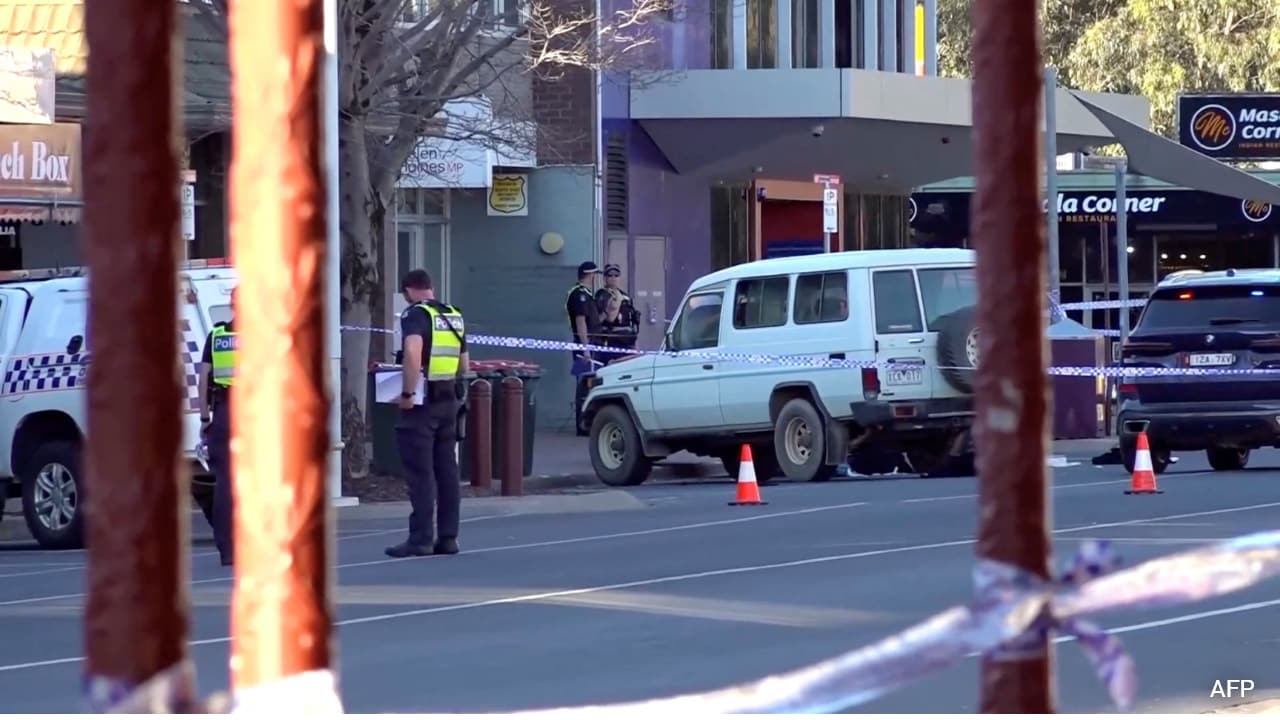
On a Monday afternoon that started like any other, Helen Haines was outside her office. Out of nowhere, a car struck her twice. Bystanders acted quickly, restraining the driver at the scene until emergency services arrived. Victoria state police arrested the individual, who media reports have identified as local resident Brendan Nugent.
The charges are severe. The accused faces three counts: dangerous driving causing serious injury, intentionally causing serious injury, and causing harm to a public official.
During his brief court appearance, the defense lawyer pointed to health issues, stating the client suffers from idiopathic transverse myelitis—a rare neurological condition—and was receiving treatment for a concussion. The court denied bail and deferred the case until February.
Yet, the core question remains unanswered. Why target Helen Haines?
The Missing Motive and Anti-Terrorism Involvement
Police aren't guessing. Anti-terrorism units are actively involved in the probe alongside state investigators. Victoria Police Chief Mike Bush made it clear that figuring out why this happened is the absolute centerpiece of the ongoing investigation.
Authorities have found no prior contact between Haines and the accused. There was no specific intelligence warning security agencies about an incoming threat. Commissioner Krissy Barrett of the Australian Federal Police confirmed that no red flags existed before the vehicle struck.
While investigators call it a targeted act, they maintain it was isolated. They aren't dealing with a sprawling conspiracy, but that doesn't make the reality any less terrifying for public servants.
Who Is Helen Haines?
If you don't know her background, it helps explain why her absence from the community is such a heavy blow. Before entering federal politics in 2019, Haines spent decades working as a nurse, a midwife, and an academic. Winning the rural seat of Indi as an independent, she successfully defended it in subsequent elections by focusing on grassroots issues like regional housing and climate action.
She isn't a polarizing firebrand known for hurling insults on television. She is a community-focused representative who built her entire career on listening to everyday citizens in rural Victoria.
The Shifting Reality of Australian Political Violence
Prime Minister Anthony Albanese didn't mince words, calling the event a violent incident tied to a broader climate of toxic political debate. He noted that the world is far more dangerous and divided today than it was a generation ago.
We see this trend globally. Elected officials face rising online abuse, physical intimidation, and escalating hostility. Australia managed to shield itself from this kind of extreme political violence for a long time. Lawmakers could host town halls without metal detectors or heavy security perimeters.
That era is likely over.
When a community representative can be severely injured outside her own workplace, the old playbook of casual accessibility stops working. Lawmakers and parliamentary security teams are currently reviewing protocols. The challenge moving forward will be keeping politicians safe without turning Australian democracy into a fortress.
Keep an eye on how local security measures evolve in the coming months. If you follow public policy or regional representation, expect heavy debates about funding for electorate office safety and how police handle threats against independent figures.