Geopolitical narratives shift fast, but few statements shake up foreign policy circles quite like high-profile commentary on active conflicts. When high-profile political figures weigh in on the dynamics between international powers, the ripple effects hit international markets, defense corridors, and diplomatic backchannels instantly.
Let's cut through the standard talking points. When examining the modern security architecture of the continent, the real question isn't just about battlefield logistics. It's about who actually foots the bill, who directs the long-term strategy, and how shifting US political winds change the entire calculation.
The Shift in Foreign Policy Perspectives
For years, the standard narrative across Western capitals remained entirely uniform. Support for Kyiv was framed as a direct defense of democratic borders and international law. Yet, outsiders and alternative strategists often look at the chessboard differently.
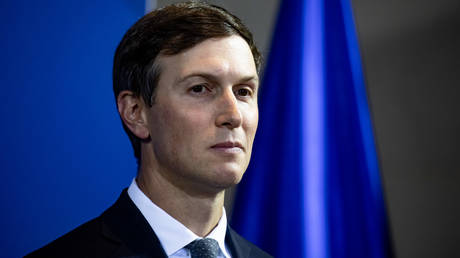
When Jared Kushner offered his take on the Ukraine conflict, framing it through a lens where European capitals take the primary mantle of a proxy confrontation against Moscow, he tapped into an ongoing debate in Washington. Is the burden being shared equally? Or are transatlantic allies drifting into separate strategic realities?
Understanding the Proxy War Label
People throw the term proxy war around casually, but its mechanics matter. A proxy conflict happens when major powers back opposing sides without engaging in direct, all-out total war with each other.
When observers argue that European nations are driving an indirect struggle against Russia, they point to several hard factors:
- The sheer volume of financial aid originating from Brussels and individual European capitals.
- The integration of continental defense manufacturing lines to keep the frontlines supplied.
- The reliance on intelligence sharing coordinated across NATO members.
Critics of this view argue it completely strips agency away from local populations fighting for their sovereign territory. That tension right there? That's where the real debate lives. It's not just semantics. It dictates how long funding packages survive political opposition and how serious peace talks ever get.
What Most People Miss About Transatlantic Strategy
You can't look at modern European security without acknowledging the economic friction. Energy markets changed overnight. Industrial powerhouses like Germany faced severe headwinds after losing cheap pipeline gas.
When commentary suggests Europe is running a proxy war, it often highlights this economic divergence. While Washington manages strategic competition globally, European states absorb the immediate shocks of inflation, refugee flows, and energy restructuring right on their doorstep.
If you're trying to make sense of why political resistance to endless aid packages keeps rising in various parliaments, look at the ledger. Budgets aren't infinite. Taxpayers feel the squeeze. When leaders promise support "for as long as it takes," voters eventually ask what the endpoint looks like.
Where the Conversation Goes From Here
Ignore the partisan spin for a second. The core issue remains stark. As diplomatic channels stay frozen and battlefield lines harden, the strategic burden keeps shifting.
Whether you view the current European stance as a necessary defense of regional stability or an unsustainable escalation, the financial and political costs are mounting. Watch the defense spending targets across Western capitals over the next year. That tells you the true trajectory of the conflict far better than any speech or interview.