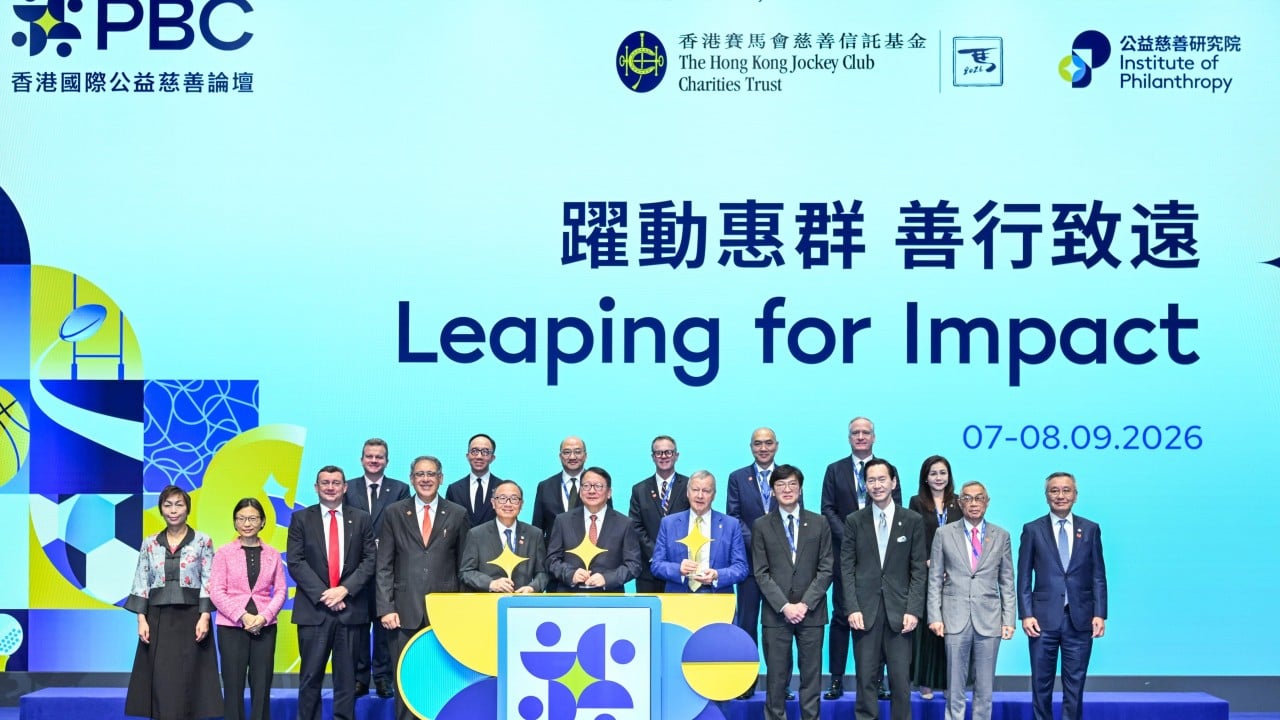
Athletes have spent decades posing with giant novelty checks for photo ops, but athletic philanthropy is undergoing a massive shift. When elite competitors hang up their jerseys, they aren't just starting foundations as tax write-offs anymore. They are building structured systems for social change. We saw this reality take center stage at the Philanthropy for Better Cities Forum 2026 in Hong Kong, convened by The Hong Kong Jockey Club Charities Trust and the Institute of Philanthropy, where retired champions didn't talk about their medals. They talked about systemic reform, urban poverty, and inclusion.
The Real Shift Behind Athletic Giving
For a long time, sports charity meant a celebrity golf tournament or a quick hospital visit. It looked good on a resume, but it rarely moved the needle on structural problems. That model is dying.
Take Winter Olympics gold medallist Yang Yang. When she competed, she thought winning was the pinnacle. It wasn't until retirement, when she donated prize money to a fellow athlete's charity and travelled to Africa, that her perspective flipped. She realised athletic discipline translates directly into social infrastructure. Through initiatives like the China Champion Foundation, she's tackling youth development not with handouts, but by teaching kids that resilience built on a track applies to everyday survival.
Basketball icon Yao Ming has driven a similar shift through the Yao Foundation. When athletes run programs that focus on education and sports camps for rural children, they are building long-term community assets, not just renting their fame for an afternoon.
Why Cross-Sector Partnerships Matter More Than Ever
Money alone doesn't fix broken urban centers or youth disengagement. Winfried Engelbrecht-Bresges, CEO of The Hong Kong Jockey Club, pointed out a hard truth at the forum: meaningful impact doesn't happen by accident. It requires discipline and actual operational execution.
The numbers back up the scale of modern organized giving. The Commission on Asian Philanthropy's interim report estimated domestic philanthropic giving across participating jurisdictions reached US$109 billion, with projections suggesting it could exceed US$1 trillion over the next decade. That kind of capital cannot be managed with amateur enthusiasm. It demands institutional rigor, multi-stakeholder partnerships, and cross-sector collaboration between governments, businesses, and sports organizations.
When former New Zealand Prime Minister Helen Clark addressed the forum, she pointed out that sport naturally models leadership through excellence, respect, and teamwork. But she also issued a warning. Philanthropy itself needs to take bold, strategic leaps forward to handle global uncertainties like climate resilience and aging populations.
Moving From Medals to Measurable Outcomes
The era of trusting an organization simply because a famous athlete's face is on the brochure is over. Donors and governments want hard data.
The Hong Kong Jockey Club released its first-ever Impact Report at the event, tracking its charitable footprint back to 1915 and introducing a three-tier hierarchical measurement framework to evaluate outcomes at the project, programme, and trust levels. In the 2025-26 fiscal year alone, the club returned HK$39.3 billion to the community through taxes, duties, and approved charity donations. That level of accountability sets a new baseline for what institutional giving should look like.
If you want to support sports-driven social initiatives, stop looking at the star power of the founder. Look at their metrics. Ask how they measure youth retention, community integration, and long-term economic mobility.
Stop treating athlete-led charities as feel-good marketing exercises. Treat them like operational investments. Demand clear data, hold organizations accountable to multi-year metrics, and support programs that teach communities how to sustain themselves long after the athletes leave town.