You are about to see the most expensive phone Apple has ever shipped. It costs two thousand dollars, maybe three if you max out the storage, and it has been sitting in Cupertino labs for ten years.
Tim Cook didn't just wake up last Tuesday and decide to challenge Samsung. Back around 2020, he took a trip to Asia, noticed everyone staring into folding screens, and came back convinced Apple needed a horse in that race. But long before Cook got energized by market trends in China, core technology teams inside Apple's hardware engineering division were already breaking glass, testing hinges, and arguing over whether a folding iPad even made sense.
The project carried the code name V68 internally, sometimes dubbed the iPhone Ultra by engineers who knew it would sit high above the standard lineup. Building it wasn't just a matter of slapping two screens together. It required solving material physics problems that broke early prototypes.
The Hard Engineering Problems Nobody Talks About
If you have ever used an early Android folding phone, you know the pain points. The crease down the middle looks like a scar. The hinge feels fragile. The battery barely lasts half a day because driving two displays drains power faster than a mobile processor can handle.
Apple's engineers spent years fighting four major battles:
- The Crease: Getting rid of that obnoxious middle line required a custom flexible cover glass built alongside Corning and a brand new titanium-and-aluminum hinge mechanism.
- The Form Factor: The design studio settled on a short, wide layout. When folded, it matches the size of a passport. Unfolded, it resembles a Magic Trackpad with a roughly 7.8-inch interior canvas and a 5.5-inch exterior screen.
- The Compromises: You are trading away absolute durability, peak camera performance, and battery life compared to a conventional Pro model. You have to open the device to unlock its full utility.
- The Price Tag: Component shortages and extreme manufacturing tolerances pushed base pricing right up to the $1,999 threshold, with high-tier storage configurations creeping toward $3,000.
Pricing Strategy and the Luxury Phone Market
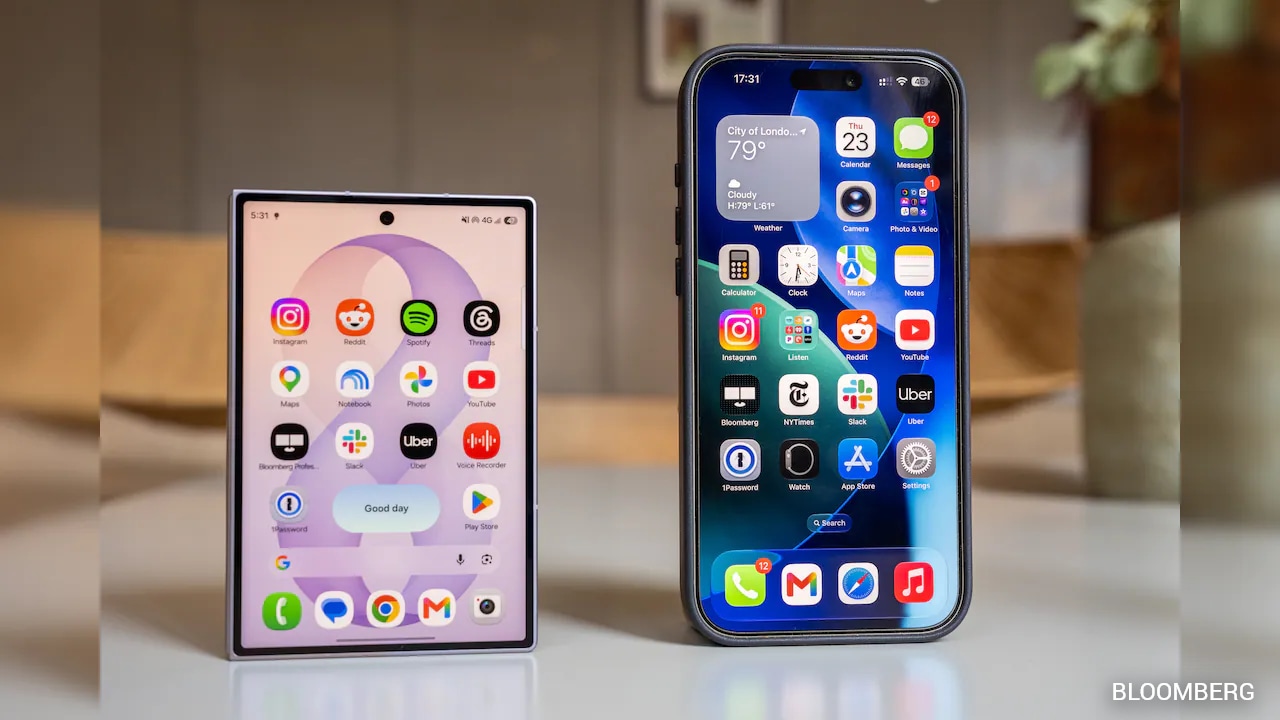
Sticker shock is real. When standard iPhones start at $799 and Pro versions sit around $1,099, asking two grand for a folding phone sounds insane. Yet, top-tier Pro models with maximum storage already flirt with high price points, and buyers keep grabbing them.
Apple is leaning on upgrade subscription leasing programs, aggressive carrier trade-ins, and financing to blunt the blow. Market researchers already call it the potential "Birkin bag" of smartphones in Asia. Demand will likely outstrip supply regardless of how many units roll off the lines.
John Ternus takes the helm as CEO right as this device drops, positioning his engineering background front and center. This launch isn't just a new product category. It's a statement about whether a decade of internal debate and heavy engineering can redefine the most important gadget in your pocket.