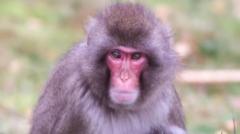
Wildlife breakouts rarely happen without a backstory. When a young male Japanese macaque named Luka vanished overnight from the Highland Wildlife Park near Aviemore, it triggered instant déjà vu across the Scottish Highlands.
If this headline sounds familiar, you remember Honshu. Back in January 2024, another snow monkey from the exact same park staged a five-day escape after a troop dispute. Now, lightning has struck twice. But unlike his predecessor who required a thermal drone hunt and a residential garden stakeout, Luka decided he had enough of the wilderness and simply walked back home of his own accord. Don't miss our previous coverage on this related article.
Primate politics are brutal. If you want to understand why these animals keep testing the perimeter fences, you have to look past simple security flaws and look right into troop dynamics.
The Harsh Reality of Primate Group Politics
Zoo enclosures look peaceful to visitors. Behind the scenes, they are high-stakes social pressure cookers. If you want more about the context here, NPR offers an informative summary.
The Royal Zoological Society of Scotland (RZSS) oversees the park, and their animal care team knows these breakouts aren't random accidents. Darren McGarry, head of animal care at RZSS, pointed out a hard truth about macaque societies: young males frequently get pushed out or ostracized by dominant members.
When breeding season tensions peak, subordinate males face a terrible choice. They can stay and take a beating, or they can find a way over the barrier. Honshu chose freedom and spent nearly a week eating bird feed in local gardens before teams tracked him down and eventually relocated him to Edinburgh Zoo for a fresh start.
Luka faced a similar social squeeze. He slipped out overnight into the Cairngorms National Park, prompting an immediate alert. Park staff deployed thermal imaging drones and warned locals not to approach him.
Yet, snow monkeys are built for cold climates. They aren't tropical animals shivering in the snow; they literally thrive in freezing mountain conditions. Surviving outdoors for a day or two is basically a walk in the park for them.
What Parks Do After a Breach
Escapes force facilities to upgrade fast. Following Honshu's multi-day adventure, park management reinforced fencing and reworked containment protocols.
Even so, nature finds a way. Wild animals possessing high intelligence and climbing dexterity will always test physical boundaries when social stress inside the enclosure boils over.
Instead of panicking, the response plan this time around worked seamlessly. Search parties scoured the local Balavil and Newtonmore areas, but nature solved half the problem. Realizing that the Scottish Highlands at night aren't as cozy as a secured enclosure with guaranteed meals, Luka sauntered back to the park boundaries on Monday evening.
Veterinary teams are currently checking him over. Once cleared, keepers face the delicate task of reintegrating him into a complex social hierarchy that tried to reject him in the first place.
Keep an eye on how zoos manage surplus males moving forward. As captive troops grow, enclosure design must evolve to offer adequate escape routes within the habitat, preventing animals from seeking those solutions outside the perimeter fence.
Monkey on the loose after escape from Scottish wildlife park
This video provides additional context on how wildlife parks handle macaque containment and previous high-profile escapes in the Scottish Highlands.
http://googleusercontent.com/youtube_content/1