British politics moves fast. Sometimes, it moves too fast for its own good.
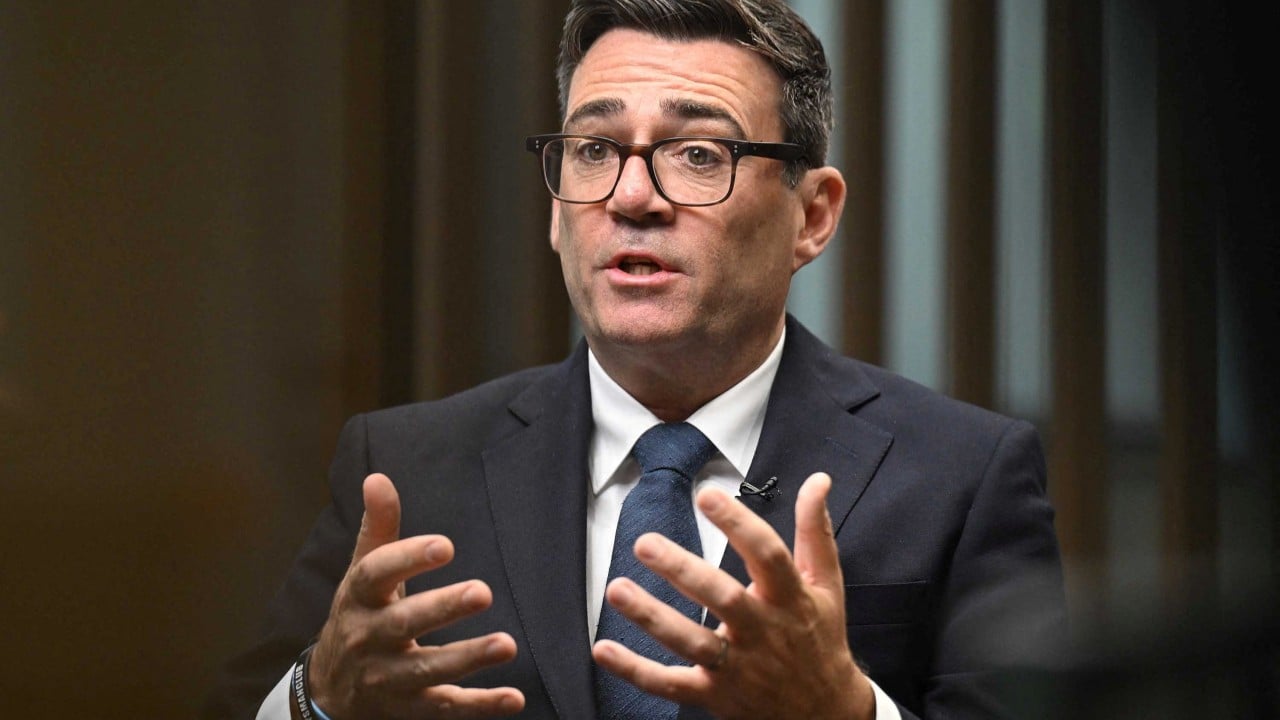
Andy Burnham just stepped into Downing Street as the UK's new prime minister after Keir Starmer's abrupt resignation. Naturally, political circles started buzzing about a snap election. Critics wanted blood, opposition leaders smelled vulnerability, and pundits built entire TV segments around an autumn ballot. If you enjoyed this article, you should look at: this related article.
Burnham shut it down completely. He ruled out a snap general election, locking his sights on the statutory 2029 deadline instead.
You have to look past the political noise to understand why. Burnham's choice isn't just about avoiding a bruising campaign. It's a calculated move to prioritize domestic stability over immediate electoral validation, signaling a hard shift toward putting national interests ahead of short-term partisan games. For another perspective on this development, refer to the latest update from USA.gov.
The Reality of Midterm Successions
Britain operates under a parliamentary system. Parties hold power, not individual leaders. When a prime minister steps down due to tanking poll numbers or internal mutinies—as Starmer did following local election wipeouts and severe judgment errors—the governing party can install a new chief without dragging the entire country to the polls.
It happens all the time. But it leaves the incoming leader vulnerable to accusations of lacking a personal mandate.
Opposition figures like Reform UK leader Nigel Farage immediately screamed foul, demanding a public vote. Polls showed a divided public, with a slight majority telling pollsters they felt a fresh election would grant the new government more legitimacy.
Burnham didn't flinch. In interviews with the BBC, he made it clear that voters cast ballots for a parliamentary manifesto in 2024, and he intends to honour that framework rather than scramble for personal political gain.
Putting Britain First on the Global Stage
A domestic refusal to call an election is only half the story. The international arena presents an entirely different pressure test for a fresh British premier.
When pressed about how he intends to deal with US President Donald Trump, Burnham didn't offer the usual diplomatic boilerplate. He drew a hard line, stating plainly that he will always put Britain's interests first.
This matters. Past administrations often twisted themselves into knots trying to stay on absolute terms with volatile White House occupants. Burnham's stance is refreshingly direct. He noted that while introductory talks were cordial, he won't hesitate to voice a completely different perspective if Washington's trajectory conflicts with British needs.
You are seeing the rise of a pragmatic, localized brand of governance. Burnham made his name as the Mayor of Greater Manchester by picking public fights with central authorities over rail funding, lockdowns, and public services. He's bringing that exact same scrappy, confrontational energy to national and international politics.
The Financial Tightrope Ahead
Refusing an early election doesn't magic away the country's massive structural hurdles.
The government's fiscal buffer is razor-thin. Spending commitments tied to defense, social care, and infrastructure have left treasury math looking brutal. At the same time, Burnham inherits strict manifesto promises from the previous administration—including a pledge not to hike income tax, national insurance, or VAT.
Solving public service deficits without touching those three primary tax levers is a nightmare scenario for any chancellor. Water companies face heavy public backlash over sewage spills and surging bills, and regional infrastructure needs massive capital injections. Burnham has already signaled a willingness to challenge corporate profiteering, but rhetoric alone won't fix crumbling schools and hospitals.
By locking down the timeline to 2029, he is buying himself breathing room. He wants time to deliver concrete regional improvements—housing projects, flood defenses, and public transport upgrades—hoping that tangible local results will speak louder than premature ballot box victories.
The strategy carries immense risk. If public services don't improve and the economy stagnates, waiting until 2029 gives insurgent political movements plenty of runway to organize opposition.
Burnham is betting that the British public is exhausted by constant political churn. He is banking on stability over spectacle.
The next few years will prove whether putting head-down execution over high-stakes election gambling can actually save a fractured administration.