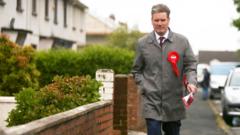
Keir Starmer is out, and the keys to Number 10 are practically sliding into Andy Burnham's pocket. It sounds wild given he was just a mayor a few weeks ago, but the reality of British politics right now means Burnham becoming PM within weeks is the most likely outcome. Following Starmer's sudden resignation announcement, the Labour party find themselves speeding toward a transition that could finish before the summer even gets going.
The political chessboard shifted completely when Burnham won the Makerfield by-election with 55% of the vote. He was sworn in as an MP just hours after Starmer threw in the towel. If the Labour party manages to avoid a prolonged, bloody internal leadership contest, we won't be waiting until September for a new leader. Burnham could walk straight into the prime minister's office by mid-summer. Recently making headlines in this space: Why Australia's New Ballista Spider Changes Everything We Know About Web Architecture.
The Makerfield math that changed everything
A lot of people are misreading what happened in Makerfield. Yes, Burnham won convincingly, but look closer at the numbers. Reform UK surged to 35% in a seat that used to be an iron-clad Labour stronghold. Another splinter party, Restore, took 7%. That means right-wing populist parties locked down 42% of the vote combined.
Burnham didn't win just by turning out traditional Labour voters. He managed to secure roughly 20% of his votes from people who previously backed the Conservatives, the Liberal Democrats, and the Greens. He built a temporary, cross-party alliance because of his personal brand as the "King of the North." Additional information into this topic are covered by NBC News.
The local Brin Community Club in the constituency recently stripped the word "Labour" off its front door because locals felt abandoned by Westminster. That tells you everything about the mood. Burnham won because he ran as an outsider who happened to wear a red rosette, not because of a sudden wave of national love for the current government.
What a Burnham government will actually do
If he takes over within weeks, his immediate policy platform is going to clash hard with Starmer’s cautious fiscal rules. In his recent interview on BBC Newsnight, Burnham laid out three massive pillars that define his immediate agenda.
Shifting the tax burden to small businesses
Burnham wants to slash taxes for small businesses to stimulate high street growth. To pay for it, he is looking at squeezing larger corporations and reforming property taxes. It's a popular move, but it risks alienating the City of London, which Starmer spent years courting.
Taking Thames Water into public control
The ongoing collapse of Thames Water is his perfect opportunity to prove his socialist credentials without alienating the center. He wants direct, strong public control. This isn't just standard nationalization; it's an emergency intervention that he plans to use as a blueprint for other failing utility infrastructure across the UK.
The social care funding puzzle
This is the issue that destroys prime ministers. Burnham wants a national care service funded through a national insurance style levy or a wealth tax variation. Everyone agrees the system is broken, but the math behind his proposals remains highly controversial.
The hidden roadblocks in the way of Number 10
While everything points to a quick coronation, politics loves an ambush. The path isn't completely clear, and three major obstacles could slow this down or derail it entirely.
First, the Labour party mechanics are notoriously volatile. Left-wing MPs who felt sidelined under Starmer might demand a full, multi-month leadership campaign to force a debate on the party's direction. If they secure enough nominations for an alternative candidate, the dream of Burnham becoming PM within weeks evaporates, turning into a long summer of party infighting.
Second, the King of the North label is a double-edged sword. Winning over northern working-class towns that flipped to Reform is one thing, but holding onto leafy southern suburbs that switched from the Tories to Labour in 2024 is a different beast. Southern centrist MPs are already quietly panicking that Burnham's brand won't travel well south of the Midlands.
Finally, there is the massive pressure for a snap general election. Opposition parties are already shouting that Burnham has no personal mandate from the British public to serve as prime minister. Walking into Downing Street without a general election victory creates immediate legitimacy issues, especially when dealing with international leaders like US President Donald Trump, who recently commented on UK alliance stability on Truth Social.
Actionable steps for watching the transition
Don't just watch the headlines. Track these specific markers over the next fourteen days to see if the Burnham transition remains on track or falls apart.
- Watch the nomination threshold: Keep an eye on how many Labour MPs publicly declare support for Burnham. If he clears the required threshold with no serious challenger by the weekend, the contest is effectively over.
- Monitor the Greater Manchester mayoral election trigger: Burnham’s move to Westminster leaves a massive power vacuum in Manchester. Look at who throws their hat in the ring there; it will show you how local Labour factions are realigning.
- Track the Reform UK polling: See if Reform maintains its momentum nationally after the Makerfield surge. If their numbers rise, expect Burnham to lean even harder into populist economic policies to protect Labour's flanks.
The political system is moving faster than it has in years, and the old rules don't apply. Burnham has the momentum, the seat in parliament, and a clear vision, making the next few weeks a definitive turning point for the country.
For a deeper look at how this transition is playing out on the ground, check out this detailed political breakdown of the Labour leadership shadow contest which highlights the immense structural challenges and policy debates currently taking place within the party.