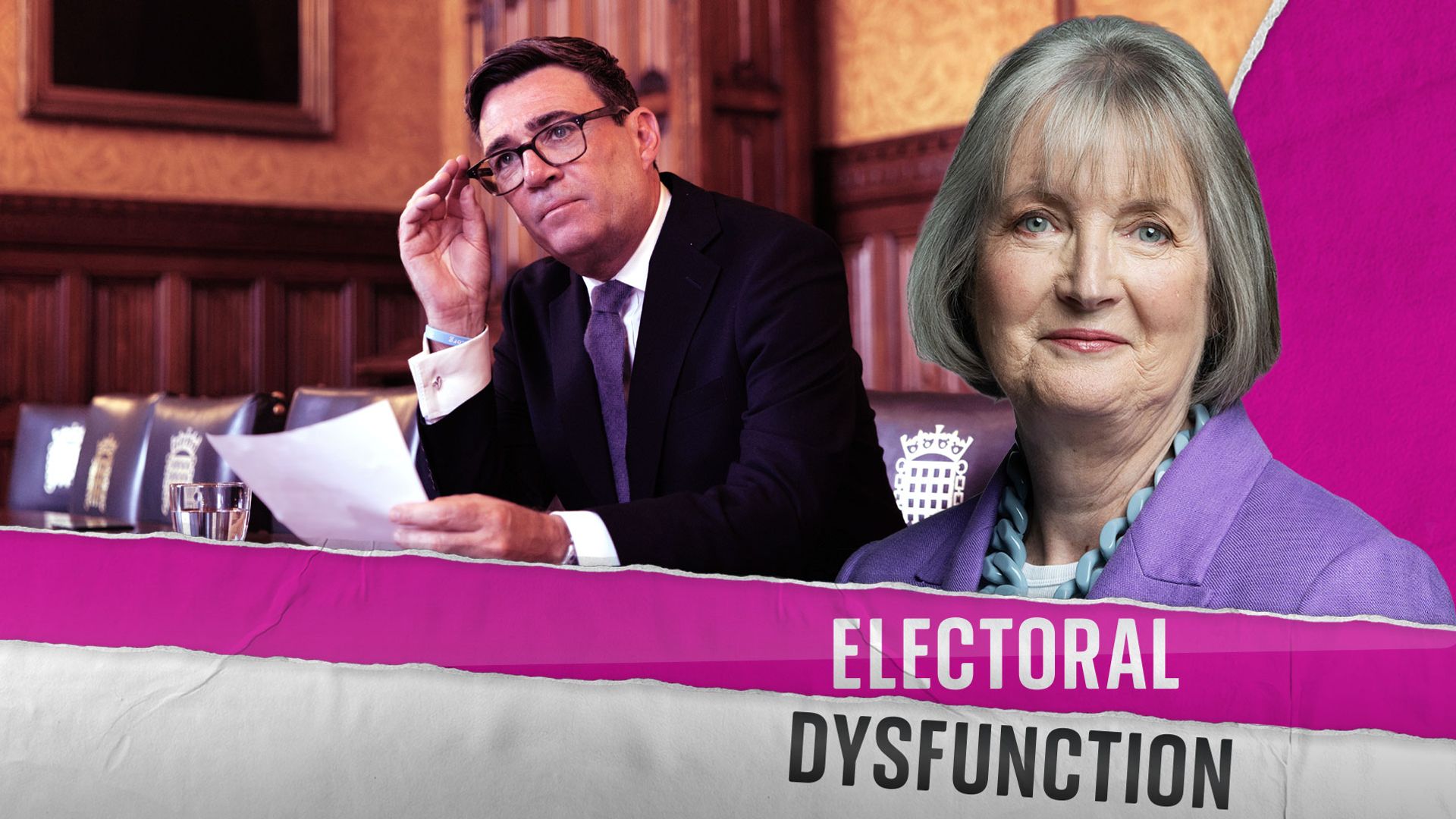
Political speeches are masterclasses in strategic omission until they aren't. When a new leader steps up to the podium for their first major party conference address, every line is weighed, measured, and sanitized. But some topics refuse to stay hidden in the drafts. Harriet Harman recently pointed out a glaring reality on the Electoral Dysfunction podcast: Andy Burnham faces a mandatory reckoning with immigration during his keynote speech in Liverpool, or risk a severe political backlash.
You can't dodge the issue when small boats are dominating headlines and public anxiety is running hot. For a newly minted prime minister, walking past the immigration debate isn't an option anymore. For a different look, consider: this related article.
The Cost of Silence on Tough Issues
History has a cruel way of punishing leaders who try to sweep thorny subjects under the rug. Over a decade ago, Ed Miliband learned this lesson the hard way when he failed to mention immigration and the economy in a high-stakes conference speech. Critics pounced immediately, turning an omission into a narrative of weakness and detachment.
Harman understands this playbook intimately. She noted that if Burnham stays silent, political opponents will weaponize that quietness instantly. They will line up to declare that he is too afraid to confront the reality on the ground. Related coverage on the subject has been provided by NPR.
- Public expectations demand visible border control.
- Silence gets interpreted as evasion or incompetence.
- Opponents are waiting to fill any conversational vacuum.
Voters don't just want policy papers; they want reassurance. They want to know that the person in charge understands the day-to-day friction of communities dealing with rapid demographic changes and stretched local public services.
Balancing Border Control with Public Confidence
The timing couldn't be sharper. Just days before the conference kicks off, record numbers of migrants crossed the Channel, and undetected boats reached British shores. Couple those statistics with recent tense protests in coastal towns like Dover and Portsmouth, and you get a pressure cooker environment.
Burnham has to thread an exceptionally thin needle. On one hand, his government has already started cracking down hard on uncontrolled crossings. On the other hand, a progressive party leader must speak to voters who care deeply about humanitarian obligations and economic realities.
It is not just about stopping boats on the water; it is about restoring a sense of order on the streets. People want to feel that the machinery of the state actually works. If a prime minister looks hesitant or defensive, public confidence evaporates quickly.
What Actually Matters in Liverpool
Conferences are noisy, messy affairs designed to project unity while internal factions eye each other warily. Yet, amidst the backroom chatter and policy debates, the public tunes in for one specific reason: to test the leader's mettle.
Burnham doesn't need to reinvent the wheel, but he does need to show absolute clarity. Vague rhetoric about modernization won't cut it when voters are asking basic questions about border security and public infrastructure. He has to prove he can command authority without sounding defensive.
If he addresses the issue head-on with steady resolve, he neutralizes his critics before they can set the narrative. If he flinches, the autumn political season becomes an uphill battle from day one.
The conference floor in Liverpool will reveal whether the new leadership has the stomach for the fights that actually matter to the electorate.
This video explores Harriet Harman's insights on the political pressures facing Andy Burnham and why immigration remains a critical test for his leadership.