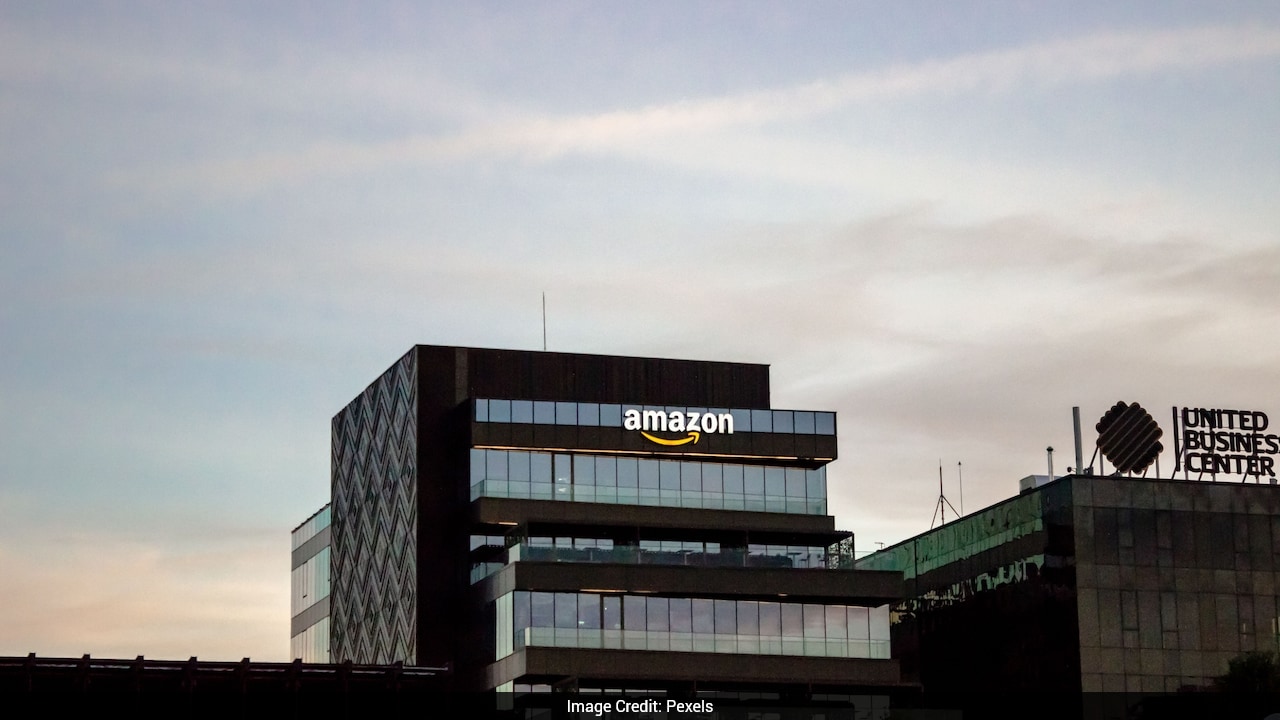
Two decades ago, a warehouse job meant minimum wage and grueling hours. Today, corporate giants are fighting tooth and nail for every pair of hands they can get. Amazon just bumped its minimum starting wage to $20 an hour for U.S. full-time operations employees. That shift is not just about keeping up with inflation. It is a calculated move to secure labor before the holiday shipping rush.
If you are tracking retail economics, this update matters. Let us look at what is actually happening behind the headlines, how it compares to competitors, and what it means for the broader American workforce. Also making headlines in related news: How Serial Corporate Insolvencies Leave Creditors Holding The Bag.
The Numbers Behind the Raise
Let us break down the cash. Effective September 27, front-line workers handling core operations like packing and shipping will see a one-dollar hourly bump across the board.
That pushes the average pay for these roles to nearly $24 an hour. When you factor in the company benefits package, Amazon claims total average compensation climbs past $32 an hour. More information into this topic are explored by Investopedia.
Corporations love talking about total compensation. It sounds like corporate PR speak. But benefits matter when you are talking about health insurance, retirement plans, and grocery discounts.
Perks That Go Beyond the Paycheck
Beyond the cash adjustment, Amazon is tweaking its perks. Starting October 1, U.S. employees get a 10 percent discount on eligible fresh groceries and essentials ordered via Amazon.com and Whole Foods online. Step inside a physical Whole Foods store, and that discount jumps to 20 percent. You can even stack these savings with standard Prime member discounts.
There is also a financial wellness angle. The retailer is partnering with First Tech Federal Credit Union. Qualified employees and their families get access to low-cost banking services with no monthly maintenance fees or overdraft charges. Crucially, they do not require a credit history to open basic checking and savings accounts. That rollout hits later this year.
How Amazon Stacks Up Against Competitors
The retail wage war is fierce. You cannot talk about Amazon without looking at its biggest rival, Walmart.
Walmart sets its starting pay for hourly store workers at around $14, though average hourly pay for U.S. store employees sits above $18.50. For supply chain and warehouse roles, Walmart reports an average hourly wage of $27.50 with a starting wage of $24.75.
Walmart also expanded its own employee discount program recently to cover general grocery purchases year-round, cutting into advantages Amazon traditionally held in employee retention.
This ongoing jockeying for labor shows a clear trend. Companies cannot attract warehouse talent with sixteen dollars an hour anymore. The floor keeps rising because the labor pool remains tight.
What This Means For You
If you are hunting for logistics or retail work, the market favors you right now. Companies are bidding up wages to secure reliability.
If you run a small business, you feel the squeeze. Competing with a trillion-dollar enterprise offering twenty bucks an hour plus credit union access and grocery perks is brutal. Independent operations have to find other ways to win, like offering schedule flexibility or unique workplace cultures.
The baseline for entry-level work has shifted permanently. Twenty dollars an hour used to sound like tech money. Now it is the entry fee for a warehouse job in America. Keep an eye on local labor markets as the holiday peak approaches because other retail giants will likely respond before the dust settles.