You can't negotiate with an invasive species. Once zebra, quagga, or golden mussels establish a foothold in a freshwater ecosystem, they multiply relentlessly, coating infrastructure, destroying native fisheries, and draining millions from regional economies. Alberta has spent years building a defensive wall along its borders, but physical checkpoints and visual scans miss things.
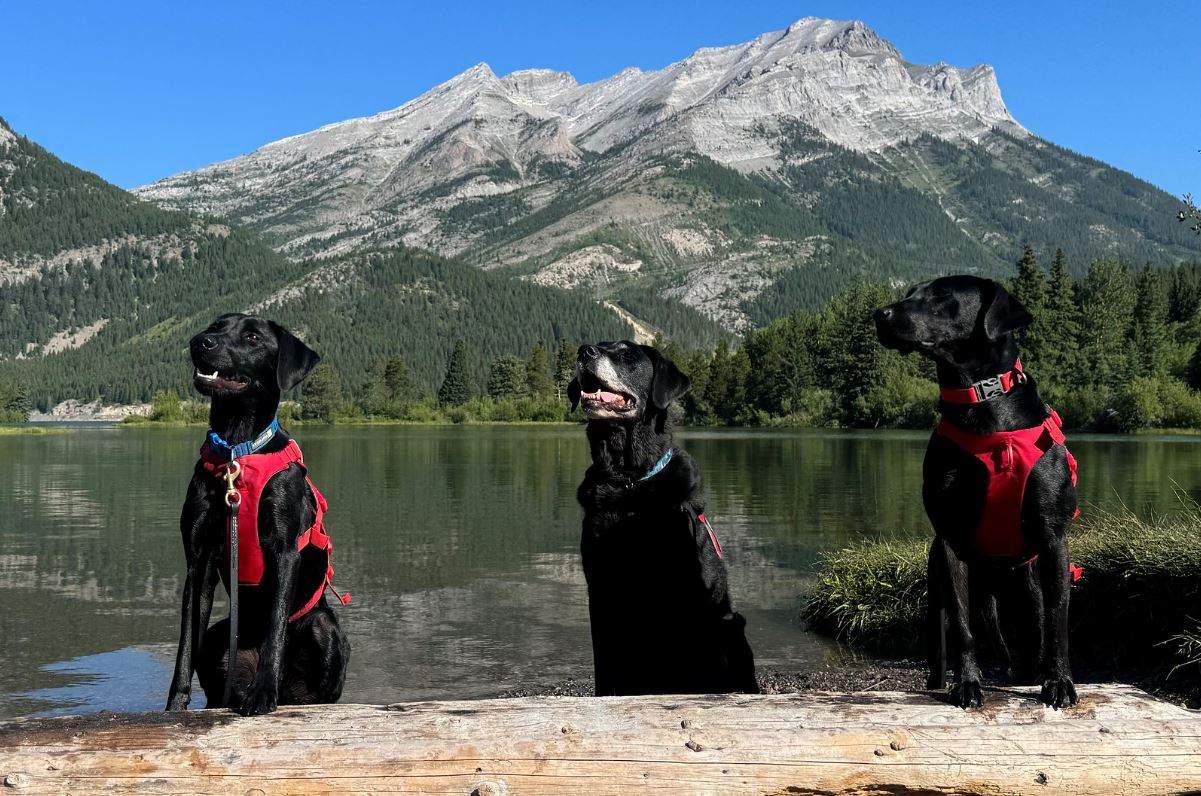
That is why the province expanded its conservation K-9 program by bringing in two new detection dogs, Jane and Winnie, to work alongside veteran hound Hilo.
The Problem With Traditional Watercraft Inspections
Human eyes are great, but they have limits. Boats are packed with dark, damp, complex nooks where microscopic mussel larvae or tiny adults can hide. A human inspector can spend an hour meticulously checking a single large watercraft and still miss a cluster hidden deep inside a ballast tank or raw water strainer.
When you pull up to an inspection station during peak tourist season, delays pile up. Inspectors feel pressure to move cars along. That creates blind spots.
Dogs don't suffer from eye fatigue or rushing. Their olfactory system operates on an entirely different plane. While a person might stare at a suspicious patch of grime for five minutes, a trained conservation dog registers the distinct organic scent signature of invasive freshwater mussels in seconds. They can screen a complex boat hull in roughly half the time it takes a human.
Meet Alberta’s Mussel Detection Pack
The provincial K-9 unit isn't just a gimmick. It is a precise biological tool. The expanded team consists of three dogs who underwent intensive specialized training in the United States to recognize the specific scent profiles of all three major North American invasive mussel species.
- Hilo: The veteran of the group. Hilo has spent over a decade protecting local ecosystems, bringing steady experience and meticulous focus to the job.
- Jane: A black Labrador retriever who excels at tuning out high-stress distractions at busy highway checkpoints to stay entirely locked onto her task.
- Winnie: Rescued from a Kansas animal shelter as a puppy, Winnie transitioned from a second chance at life into a high-stakes conservation career.
These dogs train by learning to associate the target odor with a reward. When they detect a live or dead mussel sample on a boat, they give a passive response by sitting down. They do not scratch or damage watercraft. Once they locate the scent, they get their reward: a brief session of play with a favorite toy.
The Stakes Are Exponentially High
People often wonder why officials make such a fuss over tiny freshwater mollusks. The answer comes down to infrastructure and math.
An unchecked invasion does not just ruin a weekend fishing trip. It threatens hydroelectric facilities, municipal water treatment plants, and massive agricultural irrigation networks. Alberta relies heavily on a complex grid of canals and pipelines to supply farms. If mussels coat the interior of those subterranean pipes, cleaning or replacing them costs millions of dollars and disrupts water supply chains. Estimates place potential annual damages in similar jurisdictions at tens of millions of dollars once an infestation takes root.
Prevention remains the only viable strategy because eradication is virtually impossible once the creatures spawn. Programs tracking these species know that catching a single contaminated boat at a border station stops an entire ecological disaster before it begins.
The numbers tell the story. Up to this point in the season, provincial border stations have already intercepted multiple watercraft carrying invasive hitchhikers trying to cross into the province. With mandatory inspection stations operating across major entry points from May through September, the net is tight.
What You Need to Do Before Towing Your Boat
If you pull a boat behind your vehicle, you share the frontline burden. Border enforcement laws aren't suggestions. Failing to stop at an open inspection station can result in hefty financial penalties.
Protecting local waters requires strict adherence to simple habits every single time you pull your watercraft out of a lake:
- Clean all mud, plants, and debris from your boat, anchor, and trailer immediately upon leaving the water.
- Drain all onboard water from bilge pumps, livewells, ballasts, and cooling systems before moving down the highway.
- Dry the entire watercraft completely for several days, letting open air kill microscopic organisms hiding in damp crevices.
When you encounter an inspection station, cooperate with the staff and give the K-9 handlers room to work. Letting a dog take a quick sniff can save an entire ecosystem.
Alberta using sniffer dogs to help stop the spread of invasive mussels
This video provides a firsthand look at how conservation canines operate at inspection stations to safeguard local waterways.