Why Dark Mornings Hit Harder Than You Think
Skipping the autumn clock change sounds great on paper until you're scraping ice off your windshield in pitch darkness at 7:45 a.m. while your brain still thinks it's the middle of the night. That's the reality playing out as Alberta stays on permanent daylight time into winter, pushing sunrise deeper into morning school runs and rush-hour commutes.
People love bragging about extra evening sun. Honestly, I get the appeal of having a bit more light after work when winter drags on. Yet trading away morning light comes with a steeper biological and safety price tag than most folks bargain for.
Your internal clock relies on bright morning light—ideally hitting your eyes within the first 30 to 60 minutes after you wake up—to shut off melatonin and trigger your natural morning alertness. Without that cue on dark winter mornings, grogginess lingers, reaction times lag, and walking or driving near busy streets gets riskier.
How Alberta Ended Up Here Despite a Close Vote
Time-zone politics in Western Canada have swung back and forth for years. Back in 2019, a large public engagement in Alberta showed strong appetite for ditching seasonal clock switches in favor of year-round daylight saving time, yet a 2021 referendum narrowly went the other way with 50.2% voting "No" across more than a million valid ballots.
In 2026, Alberta moved ahead with permanent daylight time anyway, joining a broader wave across parts of Canada—including British Columbia, Manitoba, and the Northwest Territories—that ended biannual clock shifts. Saskatchewan has stayed on permanent standard time since 1966, while Yukon shifted to year-round standard time alignment after its own move away from seasonal switching.
The core tension isn't just about convenience or regional time-zone syncing. It's a clash between clock time and solar time. Standard time keeps local noon closer to when the sun is actually highest overhead, whereas staying on daylight time year-round shifts clock hours later relative to natural daylight. At northern latitudes in late autumn and winter, when daylight is already short, pushing sunrise an extra hour later on the clock leaves commuters and students moving around in darkness.
Social Jet Lag and Your Circadian Rhythm
Sleep researchers talk a lot about social jet lag—that exhausting mismatch between when your biological clock wants to sleep and when your alarm clock, job, or school bell forces you out of bed. You don't need to fly across time zones to feel it. Waking up while melatonin is still circulating and your body is closer to "biological night" makes getting moving feel like wading through wet cement.
The American Academy of Sleep Medicine takes a clear stand on this: while eliminating twice-yearly clock changes is desirable, permanent standard time aligns far better with human circadian biology than permanent daylight saving time. Morning light anchors your 24-hour rhythm. Evening light, on the other hand, tends to push bedtime later, cutting into sleep duration over time.
- Delayed wake signals: Dim or dark mornings leave sleep inertia hanging around longer, making concentration and quick decisions harder right out of the gate.
- Later evening wind-down: Extra late-day light can nudge your body clock later, making it tougher to fall asleep at a reasonable hour on a work or school night.
- Long-term health stakes: Chronic circadian misalignment and short sleep are linked over time to broader metabolic, cardiovascular, and mood issues.
Still, let's be fair about what's debatable. Long-term population data comparing decades of permanent standard time against permanent daylight time at high northern latitudes still has gaps, and plenty of individuals report feeling fine or preferring brighter late afternoons. Sleep science doesn't mean everyone wakes up miserable; it means the average biological pull favors morning light.
School Zones and Commuter Blind Spots
Dark mornings aren't just a sleep story. They're a visibility problem.
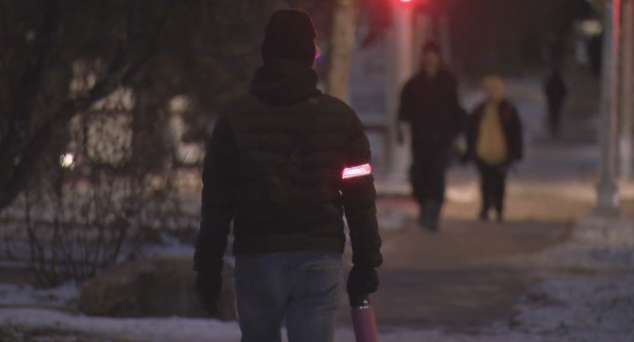
In late November across cities like Edmonton and Calgary, mornings are already cold, dark, and sometimes slick. Add an extra hour of pre-dawn darkness from staying on daylight time, and suddenly kids walking to school in dark coats are nearly invisible against wet asphalt and snowbanks. A driver who's slightly tired or rushing can easily miss a crosswalk cue or misjudge a turning gap.
What actually helps on the road isn't complicated, though people routinely skip it until after a close call:
- Leave earlier than usual. Rushing in the dark narrows your margin for error when stopping distances are longer and eyes take longer to adjust.
- Choose better-lit, controlled routes. Streets with working streetlights, flashing crosswalk signals, stop signs, or roundabouts give drivers clearer visual cues and predictable conflict points.
- Dress for contrast, not stealth. Reflective tags, armbands, light-colored outer layers, and steady bike/walk lights make pedestrians and cyclists stand out far sooner in headlight beams.
Practical Ways to Anchor Your Routine in Dark Mornings
You can't force the sun to rise earlier in Alberta during winter, and honestly, complaining about the clock won't fix your 7:00 a.m. fog. What you can do is feed your brain strong, consistent non-solar and artificial cues so your body stops guessing what time it is.
- Turn on bright indoor light immediately: Flip on overhead lights as soon as you wake up, and consider a bright light-therapy lamp during your morning routine if natural daylight hasn't arrived yet.
- Keep wake and sleep times steady: Sleeping in an extra two hours on Saturday just shifts your internal clock later and makes Monday morning feel brutal all over again.
- Eat breakfast around the same time daily: Regular morning meals act as a secondary timekeeper for your body's peripheral clocks and help kick-start daytime energy.
- Dim screens and bright bulbs at night: Give your brain a quiet runway in the evening so melatonin can rise on schedule instead of getting blunted late at night.
Start tonight by setting a consistent wake-up time for the next seven days, flipping on bright light within ten minutes of getting out of bed, and adding high-visibility gear to school bags and commute jackets before tomorrow morning's rush.