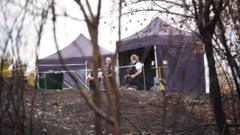
The tragic loss of eight lives near the Cape Newenham Long Range Radar Site this week is a harsh reminder of a simple reality: Alaska aviation is different. When a civilian-contracted Cessna 441 goes down in the rugged, unpredictable terrain of western Alaska, it isn't just a headline. It's a reflection of the brutal trade-offs made every day in one of the world's most demanding flying environments.
I’ve spent enough time looking at sectional charts of the Last Frontier to know that the distance between "routine flight" and "catastrophe" can shrink to nothing in seconds. When you are flying 450 miles west of Anchorage, you aren't just crossing miles of tundra. You are operating in a zone where weather stations are sparse, rescue infrastructure is stretched thin, and the terrain doesn't offer many "outs" if an engine decides to quit.
The unique danger of Alaska operations
Most people don't realize how much the rules shift when you fly in Alaska. You aren't operating in the highly structured, radar-blanketed airspace of the lower 48 states. Here, pilots deal with what we call "marginal VFR"—Visual Flight Rules conditions that are technically legal but borderline enough to make a seasoned captain sweat.
The fog rolls into the Aleutian chain or the western coast with zero warning. You can be flying under a beautiful blue ceiling and find yourself in a "whiteout" or a "greyout" in minutes. When visibility drops, your reliance on instruments becomes total. If you haven't accounted for the terrain—which features peaks that pop up out of nowhere—your margin for error evaporates.
Why questions about safety never go away
It’s easy to point fingers at charter companies when things go wrong. Everyone wants a clear answer: Was it the plane? The pilot? The weather? But the reality of Alaska bush flying usually involves a complex intersection of factors.
Look at the recent history of aviation accidents in the region. Investigators often uncover a pattern of "erosion of safety margins." It’s rarely one single mistake that brings down a twin-engine plane. It's often a collection of small pressures:
- The pressure to complete the mission: Whether it's moving cargo, scientific equipment, or personnel to a remote radar site, the demand to get there is relentless.
- Logistical isolation: When you're headed to a place like Cape Newenham, you are effectively on your own. There is no quick diversion to a major hub with a full-service maintenance crew.
- The "get-there-itis" factor: The desire to finish a flight despite deteriorating weather is a powerful psychological trap. Even the most experienced bush pilots are susceptible to it.
The passenger's role in survival
If you are ever booking a charter flight in rural Alaska, you are not just a passenger. You are a participant in the flight safety process. It sounds intimidating, but it is necessary. You have the right—and frankly, the responsibility—to ask about the flight plan.
If you feel something is off, speak up. Ask the pilot how they are handling the forecast. If the answer feels dismissive or "too simple," pay attention to that gut feeling. In the aviation world, we often say that if you're uncomfortable, there is usually a reason. A pilot who respects your caution is a pilot you want to be flying with. A pilot who pushes past your concerns is a red flag.
Moving forward after the loss
Right now, the National Transportation Safety Board (NTSB) and the FAA are beginning the long process of piecing together what happened near Cape Newenham. They will check the flight logs, examine the airframe, and analyze the weather data. We will likely get a report in a year or two that details the "probable cause."
But the tragedy of eight families losing their loved ones won't be undone by a report. The best way to respect that loss is to acknowledge that the environment isn't going to change. Alaska will always be big, wild, and unforgiving.
If you are flying in the bush, take the time to understand the specific risks of your route. Don't assume that because a flight is "chartered" or "contracted," it carries the same risk profile as a commercial airline flight. It doesn't. Respect the weather, question the plan, and never assume that the path of least resistance is the safest one. Bush flying is an incredible way to see the world, but it demands a level of vigilance that few other forms of travel ever require.