When a cruise ship passenger goes overboard, the reality on the water is nothing like the cinematic portrayals you see on television. Behind the glitz of midnight buffets and Broadway-style stage shows lies an open ocean that is dark, vast, and completely unforgiving. News alerts flashing headlines about a missing traveler often leave out the terrifying logistics of what happens next. Surviving an accidental fall into the open sea isn't about luck alone. It's an astronomical statistical anomaly that exposes deep vulnerabilities in how the multi-billion-dollar cruise industry handles maritime safety.
If you've ever stood on the promenade deck of a modern mega-ship, you're looking down at a drop that can easily equal a ten-story building. Hitting the water from that height at cruising speed creates an impact comparable to crashing into concrete. Most people don't realize that the immediate danger isn't just drowning. It's blunt force trauma, fractured bones, or instant unconsciousness upon contact. If you're knocked out the second you hit the surface, you sink. Period.
The Brutal Mathematics of Open Ocean Rescues
Let's look at the numbers. According to data tracked by industry groups like the Cruise Lines International Association, dozens of people go overboard every single year. Between 2009 and 2019, researchers recorded roughly 212 man-overboard incidents. Out of those hundreds of emergencies, only 48 people were pulled out alive. That translates to a survival rate hovering around twenty-eight percent.
Why are those odds so low? Time is the absolute enemy. A cruise ship moving at twenty knots covers a massive distance in just a few minutes. By the time a fellow passenger notices someone tumbling over the railing, or a family member reports a missing relative hours later, the ship is miles away from the actual point of impact.
When a bridge officer finally receives an alert, the vessel doesn't just slam on the brakes. Large ships require miles to slow down. Crews have to execute specialized maneuvers like the Williamson turn or the Anderson turn to circle back. By then, currents, wind, and waves have shifted the search zone by miles. Finding a human head bobbing in the middle of a dark ocean is like looking for a single grain of sand across an entire football field.
The Rare Miracles That Defy the Odds
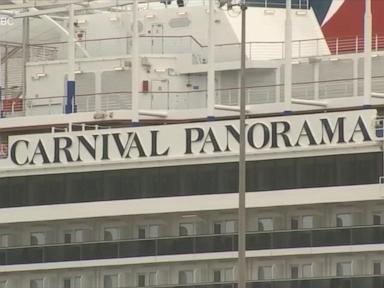
Every once in a while, a story breaks that captures global attention because it defies every logical rule of survival. Take the high-profile case of James Michael Grimes, a passenger who went overboard from a Carnival cruise ship in the Gulf of Mexico. Grimes fell into the water at night, woke up completely alone with no boat in sight, and managed to tread water for nearly twenty hours before a bulk carrier crew spotted him and alerted the U.S. Coast Guard.
Stories like that make good television, but they mask the grim reality for the vast majority of victims. Grimes survived through sheer grit, fighting off hypothermia, battling sheer exhaustion, and even fending off marine life in the pitch dark. But relying on human endurance in the middle of an icy sea is a terrible safety strategy.
Why Modern Tech Isn't Stopping the Falls
The Cruise Vessel Safety and Security Act mandated stricter railing heights and specific security protocols for American ports back in 2010, but the technology deployed across most commercial fleets remains outdated. Automated optical sensors and radar-based man-overboard detection systems exist today. These systems can instantly spot a falling body, sound an alarm on the bridge, and log the exact GPS coordinates down to the foot.
So why aren't they installed on every single vessel on the water? The answer comes down to cost and corporate friction. Automated alarms trigger immediate, expensive search operations. Those multi-hour searches disrupt itineraries, upset thousands of other paying passengers, and burn massive amounts of fuel. Cruise operators know these systems work, yet many choose to stick to manual video surveillance and eyewitness reports because it protects their bottom line.
What You Need to Know Before Your Next Voyage
If you're stepping onto a cruise ship anytime soon, keep your common sense switched on. Most overboard incidents involve a toxic mix of late-night isolation, slick decks, and excessive alcohol consumption. Railings are high, but they aren't foolproof if you're leaning over while intoxicated or trying to take a risky photo from an unauthorized area.
Never sit on balcony railings, never climb exterior barriers, and keep an eye on your travel companions. If you or someone you're traveling with notices a person going over the side, don't waste a single second looking for a crew member. Hit the nearest emergency call button, yell man overboard, and point directly at the spot where they entered the water to keep eyes fixed on the coordinates.
The sea doesn't care about your vacation plans. Respect the water, stay behind the barriers, and realize that once you cross that rail, the margin for error drops to zero.