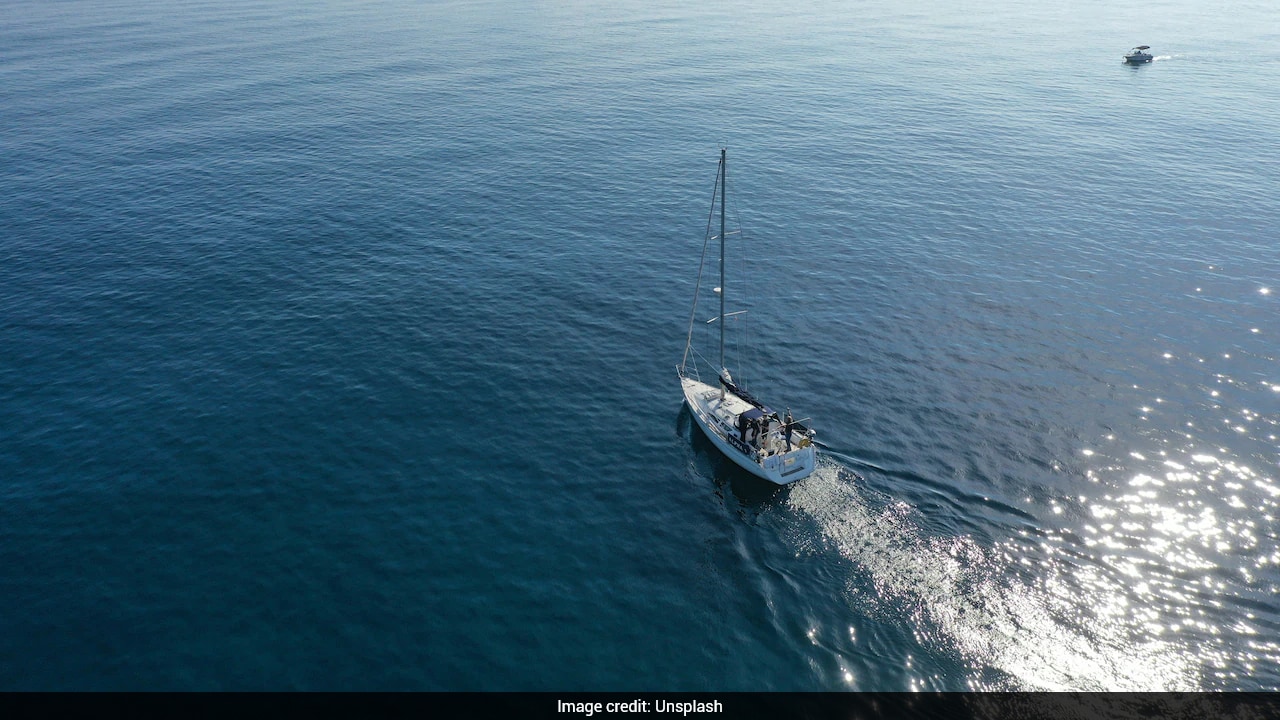
Thirty miles off Florida’s Emerald Coast, the ocean isn't a postcard. It’s open, deep, and completely indifferent to human presence. When a massive bull shark targeted a 40-year-old diver during an offshore excursion, the quiet blue instantly turned into a high-stakes survival zone. Most people imagine dramatic movie scenes with sweeping musical scores. Reality is much faster, bloodier, and far more chaotic.
Boat captain Jacob Johnson didn't have time for a risk analysis. He heard a cry for help from the water, looked over the side expecting a minor nuisance from a small triggerfish, and saw a crimson cloud instead. Without hesitating, Johnson leaped straight into the water to rescue his injured friend.
The Reality of an Offshore Bull Shark Attack
Bull sharks are built differently. They possess a high tolerance for freshwater, an aggressive disposition, and a bite force that can easily crush bone. When the attack happened thirty miles out, emergency services weren't around the corner. The crew was completely on their own.
The victim had severe forearm bites. He couldn't even lift himself back onto the deck because the blood loss and shock had already drained his strength. Johnson hauled him out of the water while the predator still lingered nearby.
Seconds matter when a major artery is compromised. The crew skipped the panic and shifted instantly into emergency triage. Someone grabbed a shirt for a makeshift tourniquet. Another crew member applied wound-sealing powder to slow the bleeding. When the improvised tourniquet wasn't tight enough, Johnson pulled it harder. He told the injured man straight up, "You're not bleeding out on my watch."
Why Quick Thinking Beats Panic Every Single Time
We love to romanticize heroism as some mystical trait born in movies. In real life, it’s just split-second execution under extreme pressure. Johnson's reaction highlights a crucial truth about emergency responses in remote environments. Training and sheer muscle memory take over when your brain gets flooded with adrenaline.
People often ask how to prevent these terrifying encounters while diving or spearfishing in Florida waters. The truth is you can never eliminate risk entirely. Apex predators live in the ocean. When you enter their domain, you accept the terms. However, staying close to your boat, diving in groups, and keeping a watchful eye on changing water visibility drastically improve your safety odds.
What to Do If You Ever Face an Ocean Emergency
If you find yourself or a companion in a similar crisis out on the water, throw out the rulebook on hesitation.
- Secure the airway and bleeding first: Stop the heavy bleeding immediately using whatever clean fabric or materials are on hand.
- Get out of the water: Predators often stick around after an initial strike. Do not linger in the red-tinted water.
- Communicate and head in: Radio coast guard or local emergency responders while speeding your boat toward the nearest dock.
Ocean adventures carry inherent dangers that no waiver can truly capture. When things go wrong thirty miles offshore, fancy gear won't save you. People will. Johnson's split-second leap turned a potential tragedy into a survival story. Respect the water, stay sharp, and never assume it can't happen to you.