The ground shifted this Tuesday. ABC and its parent company, Disney, did something rarely seen in modern media history. They dragged the Federal Communications Commission (FCC) into federal court. They aren't just filing a standard grievance. They are accusing the agency of turning the machinery of government into a weapon against them because they don't like the jokes on Jimmy Kimmel Live or the tone of The View.
You might think this is just another corporate spat between a giant media conglomerate and a political administration. It isn't. This case is about whether a government agency can effectively blackmail a news network into silence. If the FCC can force an early license renewal—years before it’s scheduled—simply to hold a sword over a network's head, the concept of a free press is essentially dead.
The weaponization of broadcast licenses
Let's get one thing clear. Broadcast licenses are the lifeblood of terrestrial television. Without one, you’re off the air. Normally, the renewal process is a bureaucratic check-box exercise. It’s boring, administrative, and standard.
Brendan Carr, the FCC chairman, decided to change the rules. In April, he ordered an early review of eight ABC-owned stations. These licenses weren’t expiring anytime soon. The FCC claims this is about "diversity practices" and ensuring broadcasters operate in the "public interest."
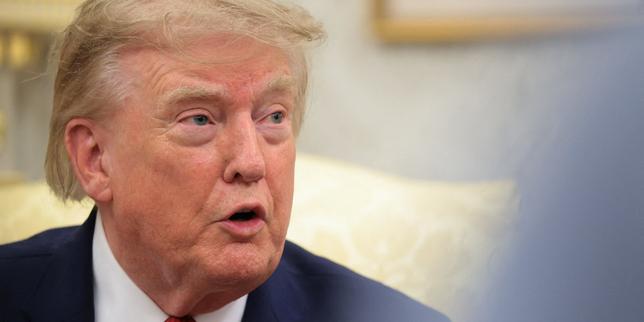
That’s a convenient shield. Anyone paying attention knows this move follows a consistent pattern of pressure. President Trump has been vocal for months about his disdain for ABC’s editorial choices. He’s called for the network to be stripped of its licenses. When the head of an agency is a political ally of a president who publicly demands a network be punished, it doesn't take a legal expert to see the retaliation for what it is.
The threat to every media company
The lawsuit is blunt. ABC argues that the administration has created a "coercive" environment where the only two choices are total capitulation to the government's demands or the loss of their broadcast footprint.
Think about the message this sends to every other news outlet. If you cover the administration in a way they find unfavorable, the FCC might just happen to start an investigation into your licenses. They might just find "concerns" about your programming. It’s not direct censorship, which the First Amendment makes hard. It’s administrative harassment. It’s a death by a thousand cuts.
If this tactic works against Disney, it will work against anyone. Smaller stations, local affiliates, and independent media outlets don't have the legal war chest that Disney does. They’ll fold long before they ever see a courtroom.
Why this isn't just about Jimmy Kimmel
It’s easy to dismiss this because you might dislike the content on The View or find Jimmy Kimmel’s jokes tired. Don’t fall into that trap. The legal principle at stake here has nothing to do with whether you think a host is funny or a talk show is biased.
The core issue is whether the executive branch can punish a company for speech it disapproves of. The Supreme Court has been clear on this. In recent rulings, they’ve emphasized that the government cannot use state power to suppress disfavored expression. The ABC lawsuit cites this exact standard. They are banking on the idea that even a politically charged FCC can’t ignore the Constitution when a judge looks over their shoulder.
The battle over the airwaves
Brendan Carr isn't backing down easily. He frames the issue as a "deal" the broadcasters made with the American people. He argues that because TV stations get free access to the airwaves—a public resource—they are beholden to his definition of the public interest.
It’s a powerful, populist argument. It appeals to people who are frustrated with media bias. But it’s a dangerous path. If the "public interest" becomes synonymous with "whatever the current administration wants," the airwaves cease to be a public resource and become a government megaphone.
What happens next
ABC has asked the court to step in and stop the FCC’s early renewal proceedings. They want an injunction to prevent the government from using these reviews as a tool of intimidation.
We are looking at months, maybe years, of litigation. But the outcome here is arguably more important than almost anything else happening in Washington right now. If the courts rule that the FCC has broad, unchecked power to use license renewals as a lever for political pressure, the landscape of American journalism will change overnight.
You should watch the court filings in the coming weeks. Pay attention to how the judge handles the request for an injunction. That will tell you everything you need to know about how the judiciary intends to handle the reach of the current administration.
This isn't about loyalty to a network. It's about protecting the last few guardrails that keep political retaliation out of the newsroom. If you value a free press, you’re watching this case closely. The fallout will be with us for a long time.
Keep an eye on the District of Columbia court docket. That’s where the real story is playing out. Don't let the noise around political rallies distract you from the institutional changes happening in the background. The precedent set here will determine who holds the power to decide what you see on your screen.