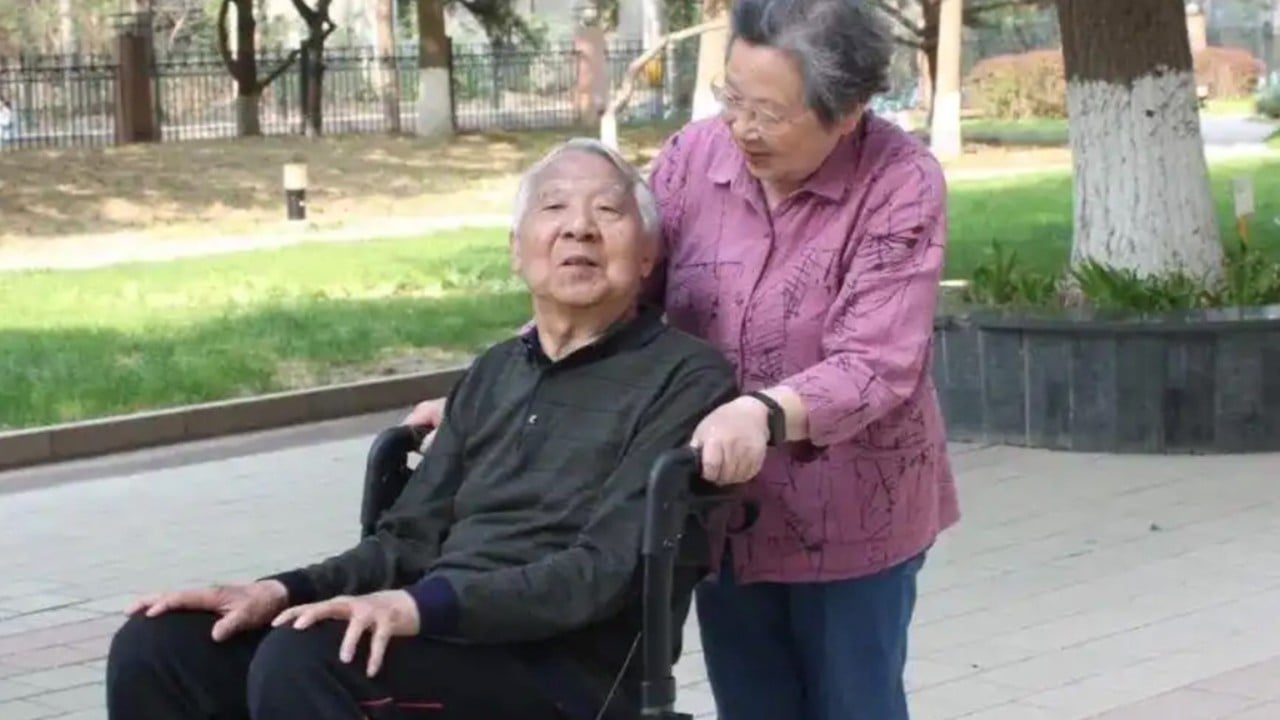
We live in a culture that treats aging like a logistical failure. Nursing homes, medical charts, institutional efficiency—we've outsourced care to systems that prioritize management over humanity. Then a 90-year-old woman in China goes viral for doing something radical. She simply refuses to let her husband with Alzheimer's disease lose his sense of self.
Millions watched online. They didn't just see a sweet viral video. They saw an absolute rebuke of how modern society handles cognitive decline.
If you look past the initial emotional wave of the story, you'll find a masterclass in caregiving. Most families face Alzheimer's with sheer panic, medical exhaustion, and a slow erosion of boundaries. This elderly wife shows a different path entirely. She preserves dignity when the world says dignity is impossible to maintain.
The Reality of Alzheimer Caregiving No One Talks About
Let's be brutally honest. Caring for someone with severe memory loss breaks you. It drains your patience, exhausts your body, and warps your identity until you are just a caretaker instead of a partner.
Burnout happens fast. Statistics show that informal caregivers face extreme rates of depression and physical illness. You wake up exhausted. You repeat the same answers fifty times a day. You watch someone you love slip away inch by inch.
Most people respond by tightening control. They lock doors, restrict movement, and treat the patient like a child. It is an understandable survival mechanism. But it strips away whatever remains of the person's autonomy.
What makes this 90-year-old wife's approach different? She doesn't fight reality with brute force. She meets her husband in his reality while fiercely protecting his pride. She treats him like a partner, not a patient. That distinction changes everything.
Small Acts of Respect That Keep Humanity Intact
Dignity isn't a grand gesture. It lives in the tiny details of daily routine.
When cognitive decline sets in, people lose their independence first, then their confidence, and finally their voice. Observers noted how this elderly woman maintained her husband's daily grooming, his personal space, and his role in their shared household. She let him make small choices even when those choices took twice as long.
Here is what most books on caregiving miss:
- Patience beats correction. Arguing with someone who has Alzheimer's is a waste of energy. It only causes agitation. Acceptance works better.
- Routine builds safety. Familiar objects and predictable days lower anxiety faster than any medication.
- Preserving status matters. Treating an adult like an adult prevents the rapid behavioral decline that comes with infantilization.
You can't fake this level of care. It comes from a deep reservoir of shared history. But you can adopt the mindset. Stop trying to drag them back to your timeline. Meet them where they are.
Why Millions Connected With This Story
People are exhausted by modern detachment. We are hyper-connected digitally yet entirely isolated emotionally.
When a video emerges showing raw, uncalculated devotion, it punches through the noise. It forces us to look at our own lives. How do we treat our aging parents? Do we view them as burdens to be managed or human beings worthy of absolute respect until the very end?
The internet loves to consume heartwarming clips and move on five minutes later. Don't do that here. Let this story disrupt your assumptions about aging.
Practical Takeaways for Modern Families
If you are navigating cognitive decline with a loved one right now, theory doesn't help you. You need actionable shifts in how you operate day-to-day.
First, audit your communication style. Are you giving orders or asking questions? Shift toward collaboration. Give choices with limited options so they don't get overwhelmed, but keep the power of choice in their hands.
Second, protect your own mental health so you don't snap. Compassion fatigue is real. You cannot pour from an empty cup. Build a rotation of support if you can, or set firm boundaries on your time.
Third, lean into emotional memory. Even when cognitive facts vanish, emotional resonance stays intact. Tone of voice, physical touch, and a calm presence communicate safety long after names and dates are gone.
We can't all be 90-year-old saints. But we can stop treating dignity as a luxury. It is the bare minimum requirement for loving someone well.
Take a hard look at how you manage care in your own circle. Make the necessary adjustments today before exhaustion takes over.