You stand in the dental aisle staring at thirty different whitening options. Strips, pens, trays, specialized toothpastes, and mouthwashes all promise a Hollywood smile by Friday. Most of them lie. Or at least, they exaggerate heavily.
If you want real results without spending a fortune at the dental clinic, you need to understand how over-the-counter chemistry actually interacts with tooth enamel. Let's break down what works, what wastes your money, and how to keep your teeth bright without destroying your sensitivity.
The Chemistry Behind Over-The-Counter Brightening
Teeth get stained in two ways. Extrinsic stains sit on the outer enamel layer from coffee, red wine, tea, and dark berries. Intrinsic stains live deeper inside the dentin, often caused by aging, genetics, or medications.
Over-the-counter treatments rely on two main active ingredients: hydrogen peroxide or carbamide peroxide. Peroxide acts as a bleaching agent that penetrates the enamel to break apart stain molecules. Abrasive silicas in whitening toothpastes mechanically scrub away surface discoloration.
If a product contains neither peroxide nor effective abrasives, it will not change your tooth color. Period.
Strips and Trays That Deliver Real Results
Whitening strips remain the gold standard of DIY dental care for a reason. They keep active peroxide gel pressed directly against your tooth surfaces long enough to do actual work.
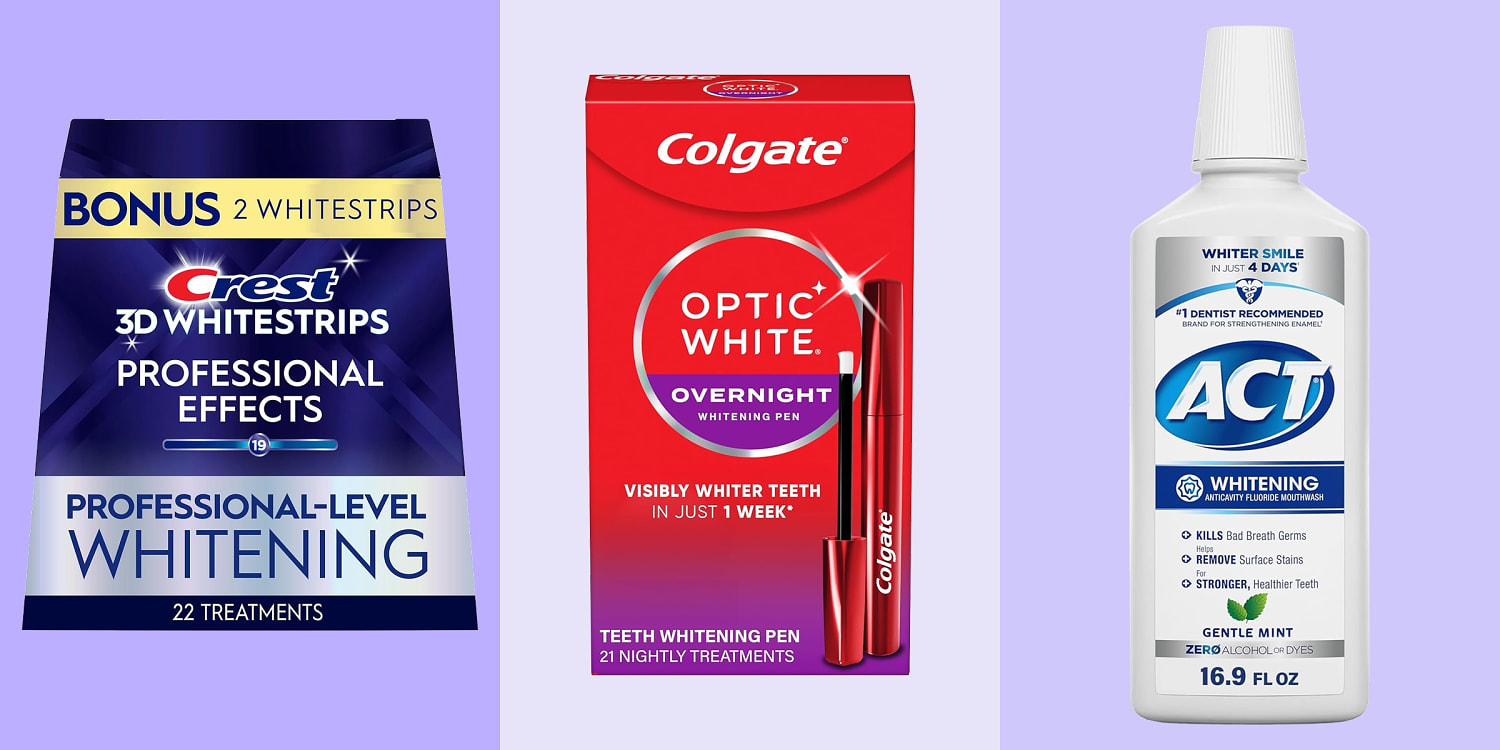
Crest 3D Whitestrips dominate this category because their peroxide concentration hits the sweet spot between efficacy and gum safety. You get visible shifts in shade within a week of consistent application.
Pre-filled disposable trays, like those from Opalescence, offer another solid route. They mold snugly over your arches, ensuring the gel coats the entire tooth rather than pooling in awkward spots.
Expect some temporary tooth sensitivity. If your teeth start zinging after three days of use, take a break for forty-eight hours and use a sensitivity toothpaste. Do not try to push through severe discomfort. Enamel health always beats raw brightness.
Why Whitening Toothpaste Alone Won't Fix Deep Stains
Walk down any grocery aisle and you will see dozens of toothpastes claiming to lift years of stains. Some actually work exceptionally well for surface upkeep, but they have major limitations.
Toothpastes rely on hydrated silica or calcium carbonate to buff away daily coffee and tea residue. High-end formulas like Crest 3D White Brilliance or Opalescence Whitening Toothpaste produce impressive surface results fast.
However, toothpaste rinses away in two minutes. It never stays on the tooth long enough for the chemical bleaching agents to alter intrinsic dentin color. Treat whitening toothpaste as maintenance, not a primary transformation tool.
The Truth About Whitening Pens and Rinses
Portability makes whitening pens wildly popular. You twist the bottom, paint a thin layer of quick-drying peroxide gel onto your teeth, and go to sleep.
Pens work well for touch-ups or maintaining results after a heavier strip treatment. They struggle as standalone solutions because saliva quickly washes away the thin gel film before deep bleaching occurs.
Mouthwashes present a similar illusion. ACT Whitening and similar rinses contain low levels of hydrogen peroxide combined with fluoride. Swishing for thirty seconds simply cannot deliver enough contact time to lift stubborn discoloration. Use them for cavity prevention and breath freshening, but do not expect dramatic shade shifts.
Protecting Your Enamel While You Whiten
Aggressive whitening destroys enamel over time. Once your enamel thins out, the yellowish dentin underneath shows through permanently, meaning your teeth will look yellow no matter how much bleach you apply.
Space out your heavy bleaching cycles. If you complete a two-week strip treatment, give your teeth at least six months of rest before doing another round.
Avoid staining foods and drinks during active treatment weeks. Your pores remain slightly open immediately after a peroxide session, making teeth sponge-like and vulnerable to rapid re-staining. Drink dark liquids through a straw, and brush or rinse with water immediately after finishing your morning coffee.
Take inventory of your current dental health before buying anything. If you have untreated cavities, exposed roots, or gum disease, fix those with a professional first. Bleaching damaged teeth leads to severe pain and permanent structural issues. Choose the right tool for your specific staining type, stay consistent with the application schedule, and protect your enamel for the long haul.