The 2026 World Cup in North America isn't just the biggest tournament in football history. It's an all-out corporate war. For the first time, 48 teams are taking the pitch, and the two undisputed titans of sportswear are staring down a multi-billion-dollar crossroads. Adidas is experiencing surging growth and high confidence. Nike is scrambling through a massive internal corporate turnaround under CEO Elliott Hill. Both brands know that what happens on the pitches of Miami, Dallas, and Mexico City over the next month will define their financial trajectories for the next decade.
The stakes aren't balanced equally. For Adidas, football is structural to who they are. For Nike, this tournament on their home soil is a massive marketing muscle flex meant to reverse flatlining revenues. If you think this is just about who sells more replica jerseys to fans, you're missing the real battle. This is a fight for cultural control over the world's most lucrative sport, played out through wildly opposing corporate strategies.
The Numbers Behind the Kit Count
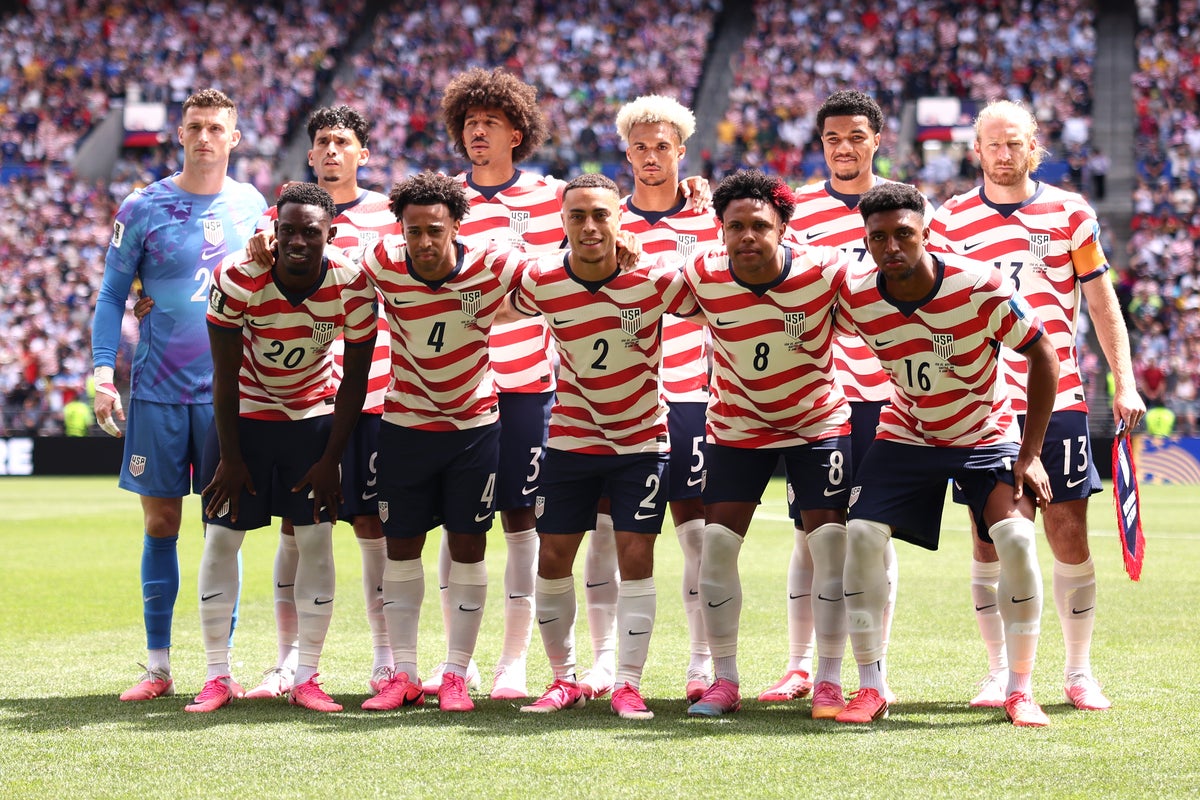
Adidas holds the upper hand on the physical pitch before a single whistle blows. They're outfitting 14 of the 48 qualified nations, including heavyweights like Argentina, Germany, and Spain. Nike sits right behind them with 12 teams, including France, Brazil, England, and the co-hosts, USA and Canada. Puma trails closely in third with 11 teams.
The raw kit count tells an intriguing story about geographic strategy. Look closely at Puma. They've aggressively locked down Africa, outfitting five powerhouse nations including Morocco and Senegal. That's a classic challenger move. They're banking on a single deep run from an African giant to generate massive commercial energy in regions where the big two have traditionally underinvested.
Nike and Adidas aren't looking for regional wins. They want global dominance. Interestingly, for the very first time in football history, every single past World Cup winner participating in the 2026 tournament is outfitted by either Nike or Adidas. Nike has Brazil, Uruguay, France, and England. Adidas owns Germany, Argentina, and Spain. The historical pedigree of the entire sport has been entirely monopolized by two corporate logos.
Two Broken Playbooks and Two Different Paths
The way these two giants are spending their marketing budgets reveals exactly where they stand internally.
Adidas is operating from a position of institutional confidence. They aren't trying to reinvent the wheel because they own the wheel. They're the official FIFA partner, meaning every single second of game time features their product: the Trionda match ball. They don't have to fight for visibility; it's built into the contract. Their primary campaign, "Backyard Legends," leans heavily into nostalgia, legacy, and raw football culture. They brought back the iconic Trefoil logo on their away kits for the first time in 36 years to trigger intense emotional buying habits from older, wealthier fans.
Nike is taking the opposite approach. They're acting like a disruptive, chaotic outsider—which is hilarious given their size. Facing serious pressure after flat quarters, Nike rolled out its massive "Rip the Script" campaign. It's a hyper-aggressive, star-studded cinematic blitz starring Kylian Mbappé, Erling Haaland, and Vinicius Junior, alongside pop culture icons like Travis Scott and Kim Kardashian.
Nike is spending an estimated 4.9 billion dollars in total marketing muscle behind its brands for this cycle, compared to Adidas's 3 billion. Nike isn't just buying ad spots. They're attempting to construct a massive 12-week content universe across social platforms to bypass traditional media entirely. They're trying to force their way into the center of the cultural conversation because they don't have the official FIFA badge on the referee's shirt or the ball.
"Nike, facing significant pressure in much of its business, is pulling football into its world. Adidas, buoyed by strong momentum and deep confidence in its sporting credentials, positions itself inside football's world." — Eric Tsytsylin, Brand Strategist
The High Tech Battle for the Dressing Room
The war isn't just waged on television screens. It's happening inside the fabric of the kits. Because the 2026 tournament is scattered across North America, players face brutal environmental shifts. Playing a high-intensity match in the stifling 30°C+ humidity of Miami or Dallas requires serious physiological assistance.
Adidas went into overdrive to address this, adapting a specialized cooling system originally engineered for Mercedes-AMG Petronas F1 drivers. Their new tech involves a multi-component solution including frozen gel-packs worn inside a front-zip vest over the jersey during warmups. Medical data from testing with Manchester United and Juventus showed this system can drop skin temperature by 13°C and core body temperature by 0.5°C, massively boosting heat tolerance. They even made cooling overshoes that drop foot temperatures by 2°C in seven minutes.
Nike isn't sitting back, either. They've focused heavily on their own micro-engineered stretch fabrics to reduce drag and sweat retention, ensuring their star athletes don't feel weighed down in the second half. Whichever brand manages player fatigue better through corporate engineering might actually influence the results on the grass.
What This Means for Your Next Purchase
This corporate warfare directly impacts what you see on store shelves and how much you pay for a piece of the sport. Here's what you need to look out for over the coming months.
- Aggressive Pricing Adjustments: Nike's staggering investments—including their recent earth-shaking coup to steal the German national team partnership away from Adidas starting in 2027—mean they have to recoup cash. Expect premium pricing on authentic Nike jerseys, while Adidas will heavily push nostalgic apparel lines to maximize their current momentum.
- The Boot Count Real Estate: Watch the feet of un-sponsored players. While kit sponsorships are locked in by national federations, individual players choose their own boots. Adidas is heavily pushing their ultra-light F50 Hyperfast Evo, while Nike is fighting back with its signature Mercurial line. The brand that ends up on the feet of the tournament's top goalscorer secures the ultimate retail marketing goldmine.
- Tech-Infused Fan Gear: The cooling and performance tech worn by elite players will filter down into premium retail lines over the next fiscal year. If you play amateur matches or train in high heat, keep an eye on how these advanced fabrics perform during the tournament before dropping cash on high-end gear.
The whistle has blown, and the marketing budgets are live. Pay close attention to who owns the highlights over the next few weeks. It will tell you exactly who will rule the sportswear world for the next decade.