We love watching old footage of famous people because it exposes the contrast between manufactured PR and raw reality. Decades ago, television interviews hit differently. They moved slower, breathed deeper, and let public figures reveal actual flaws instead of rehearsed soundbites.
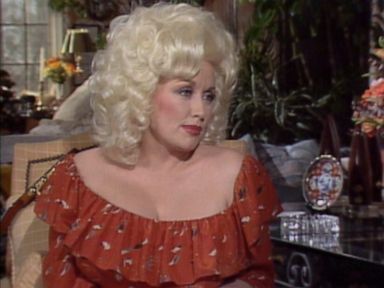
Think about the famous 1982 broadcast where Barbara Walters sat down with Dolly Parton. It wasn't just a promotional chat for a new record or a movie. It was an unfiltered look at a massive star in her own environment.
Let's break down why this specific piece of media continues to pull viewers in, and what modern pop culture gets entirely wrong about staying relevant.
The Reality Behind the Rhinestones
People often look at Dolly Parton and see a caricature of country music glitz. That mistake happens because they ignore the razor-sharp business mind underneath the wigs and makeup.
Back in 1982, Parton was transitioning from a traditional country darling into a mainstream pop-culture icon. She had just starred in 9 to 5, proving her acting chops alongside Jane Fonda and Lily Tomlin. Yet, the media circus surrounding her appearance often overshadowed her staggering work ethic.
During that era, interviewers loved to poke fun at her look. They questioned her aesthetic choices constantly. Instead of getting defensive, Parton owned every single choice with absolute confidence. She famously noted that her look was entirely intentional, based on the town's local beauty standard she grew up admiring.
That radical self-acceptance is rare. Most modern celebrities hide behind sanitized social media feeds. Parton invited the cameras right into her world, laying bare the authentic person driving the empire.
Owning the Narrative on Marriage and Fame
One of the most striking elements of those vintage profiles is how Parton handled questions about her private life. Her husband, Carl Dean, notoriously avoided the spotlight. Tabloids loved to invent drama about a marriage where one partner refused to walk the red carpet.
Instead of playing into the Hollywood gossip machine, Parton kept things grounded. She explained that her marriage gave her a sacred kind of freedom because they trusted each other completely. She didn't need to parade her relationship to prove its value.
That boundary-setting offers a masterclass in modern fame. Celebrities today often overshare every detail online, only to complain when the public crosses the line. Parton figured out how to give the audience a compelling persona while keeping her core self entirely protected.
Why We Keep Looking Back
Nostalgia isn't just about missing the past. It is a search for authenticity.
When you watch older specials, you notice the lack of quick edits and frantic pacing. People actually finished their sentences. They sat in silence. They let awkward moments linger instead of cutting to a commercial break or a flashy transition graphic.
Parton understood her own value proposition long before personal branding became a corporate buzzword. She built a multi-million-dollar career on authenticity, humor, and an unshakeable sense of self.
Take a cue from how she navigated early media scrutiny. Stop apologizing for your background. Lean into what makes you distinct. Build things that last, and never take yourself too seriously.
That is how you turn a moment in 1982 into a legacy that outlasts us all.