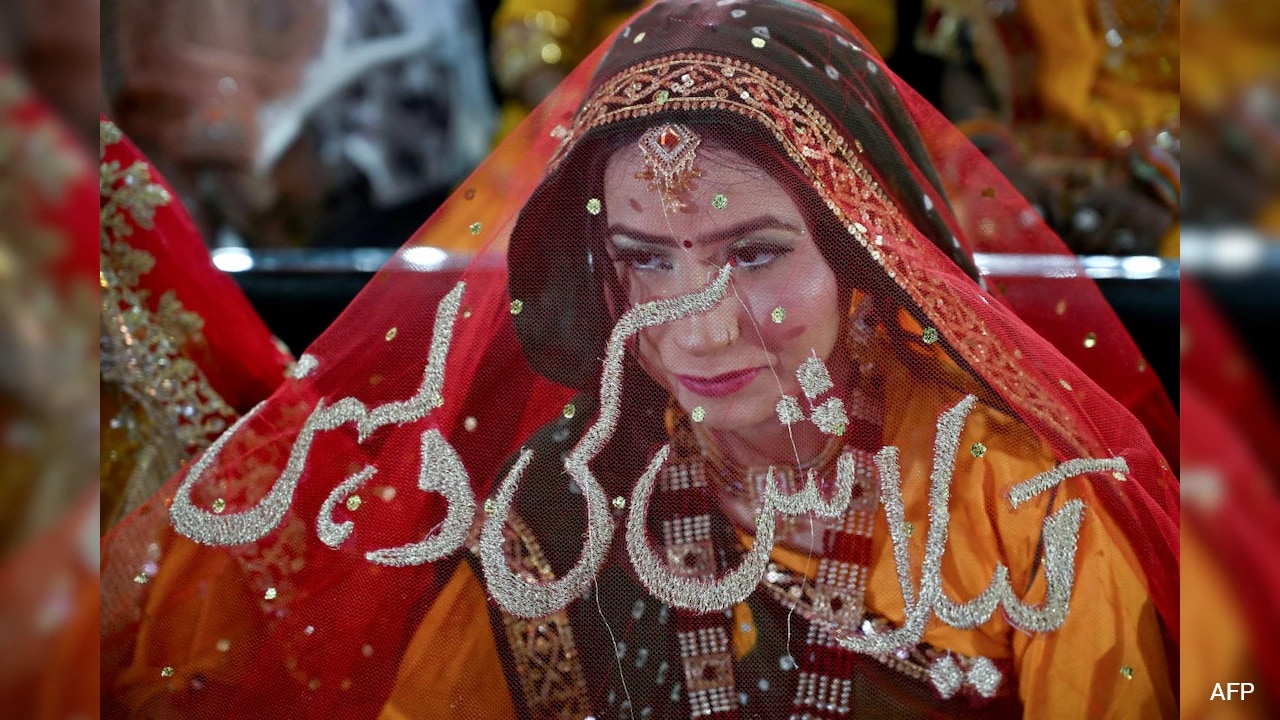
Geopolitics rarely cares about wedding dates. When cross-border tensions spike, families pay the price. For 150 Pakistani Sindhi women engaged to men across India, a routine journey turned into a logistical nightmare almost overnight.
For years, the crossing at Wagah-Attari served as the primary bridge for families from Pakistan's Sindh province marrying off their daughters across the border. That routine vanished following the aftermath of the Pahalgam terror attack and the subsequent launch of Operation Sindoor. New Delhi slammed the brakes on visas and shut down land transit routes. Suddenly, marriages planned in cities like Nagpur, Pune, Raipur, and Jodhpur hit a brick wall.
The Shadaani Darbar Intervention
When land routes closed, panic set in. Community organizers didn't just sit back. Rajesh Jhambia, a prominent community leader, connected with the spiritual leadership at the Shadaani Darbar. This historic Hindu shrine located in Ghotki, Pakistan's Sindh province, holds immense clout.
The temple compiled a comprehensive registry of stranded brides-to-be. They took that list directly to India's Ministry of Home Affairs. Bureaucracy moves slowly, but pressure from religious and community heads helped force a review.
The government agreed to budge, but with a strict caveat.
The Air Transit Loophole
No one was walking across the border gate. The Ministry of Home Affairs laid down a firm rule for clearance: visas would be granted, but land crossings remained completely off-limits. Everyone had to fly.
Families had to arrange expensive alternative air routes. Instead of a straightforward train or bus ride across Punjab, these brides and their relatives booked connecting flights. They trickled into India via third countries like:
- Dubai
- Oman
- Sri Lanka
- Bangladesh
It cost significantly more money. It took infinitely more coordination. Yet, for families facing indefinite separation, booking tickets through Muscat or Colombo became the only viable path forward.
What Happens to the Rest
The arrival of these 150 brides brought immense relief, but the crisis isn't fully resolved. Community networks estimate that roughly 300 more Sindhi women in Pakistan remain stuck in administrative limbo, waiting for clearance to join their partners in India.
Local leaders are petitioning authorities to extend similar air-travel visa considerations to the remaining families. Diplomatic guardrails will always dictate border policies, but human connections find a way around closed gates when communities refuse to give up.
If you are tracking cross-border documentation policies or family migration patterns in South Asia, keep a close eye on how third-country transit guidelines evolve. Bureaucratic exceptions change fast depending on bilateral security updates.