When Donald Trump drops an unannounced energy ceasefire on Truth Social, world capitals scramble. Ukrainian President Volodymyr Zelenskyy didn't ignore it. He stepped right up, backing the move while demanding that Moscow actually keep its word.
If you're trying to figure out what this sudden truce means for the grinding war in Eastern Europe, you're looking at a tangled web of diesel deals, international diplomacy, and high-stakes survival. Let's break down why this energy ceasefire matters and what's happening behind closed doors.
The Trump Energy Truce Explained
Let's look at the facts. US President Donald Trump announced an immediate halt to strikes targeting energy infrastructure between Russia and Ukraine. According to Washington, both sides agreed. But trust in this conflict is practically nonexistent.
Zelenskyy made his position crystal clear after holding urgent consultations with Canadian Prime Minister Mark Carney, Finnish President Alexander Stubb, and NATO Secretary General Mark Rutte. Ukraine wants de-escalation, but Kyiv isn't handing over blind trust. They're waiting for Washington to provide concrete implementation details.
When Trump posted "Do not break it!" on social media, he skipped the fine print. That omission is precisely why Ukrainian officials remain cautious. An energy grid isn't just a collection of power plants; it's the lifeline keeping millions of civilians warm through harsh winters.
The Diesel Deal Complication
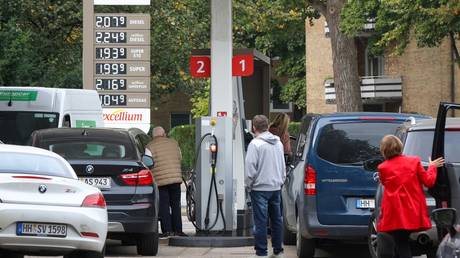
You can't talk about energy ceasefires without looking at the economic contradiction bubbling beneath the surface. Just days before proposing this truce, Trump finalized a high-profile diesel deal with Russia.
Under that arrangement, Russia agreed to pump hundreds of thousands of tonnes of diesel fuel into international markets to ease global shortages and price spikes tied to broader energy shocks.
Zelenskyy called out that arrangement immediately. His argument is straightforward: every dollar Moscow pockets from fuel exports goes straight into military manufacturing.
- Export revenues fund drone components.
- Profits pay for missile assembly lines.
- Cash keeps front-line mercenaries recruited and armed.
It's a brutal economic reality. Washington wants lower global fuel prices and a quick settlement, while Kyiv watches revenue flow straight back into the war machine targeting their cities.
Why Kyiv Is Demanding Proof From Moscow
Words on social media don't stop ballistic missiles. That's why Zelenskyy's endorsement comes with a massive caveat. Ukraine supports the concept of freezing attacks on power grids, but Moscow has a long history of violating agreements the moment it suits military objectives.
Kyiv wants clear monitoring mechanisms. Who watches the power stations? What happens when a drone hits a substation in the dead of night? Without enforcement, a unilateral energy pause becomes a one-sided disadvantage for a nation fighting to defend its territory.
Meanwhile, the Kremlin has played its cards close to the chest. Following a phone call between Trump and Russian President Vladimir Putin, Moscow's foreign policy advisers offered zero concrete commitments regarding broader peace negotiations. Putin's camp is listening, but they aren't rushing to the negotiating table.
What Happens Next on the Ground
Diplomacy moves fast, but artillery moves faster. Zelenskyy's public backing puts the ball squarely back in Moscow's court. If Russian forces continue targeting power transformers and grid hubs, the truce collapses before it even starts.
You're watching a high-stakes poker game where the stakes are measured in megawatts and human lives. Keep an eye on how Washington structures the enforcement of this truce. If the US can actually force compliance, it might just open the door to bigger talks. If it fails, expect the winter grid war to escalate harder than ever.