Walk into any hip cafe in Tiong Bahru on a Sunday morning and you will find groups of young adults deep into brunch conversations about life goals, career burnout, and mindfulness. What you will rarely hear is a loud debate about institutional dogma or strict denominational boundaries.
Singapore is changing. Look closely at the latest census data and sociological surveys from institutions like the Institute of Policy Studies, and you will spot a quiet shift. The numbers of citizens reporting "no religion" are creeping up, particularly among Gen Z and millennials. Also making waves in related news: Why One Man Refused To Let Kids Carry Their Lives In Trash Bags.
People love to panic over these trends. Pious elders look at empty traditional pews and assume society is sliding into cold secularism. They think the youth are throwing away spirituality entirely.
That assumption misses the entire point. Additional insights into this topic are detailed by ELLE.
The Shift From Bureaucratic Beliefs to Personal Practice
Labels matter less to young Singaporeans because institutional religion often feels too rigid for a hyper-connected, fast-moving environment. When your work life spans multiple time zones and your social circle mixes nationalities daily, signing up for a rigid, centuries-old bureaucracy can feel suffocating.
Does dropping the label mean dropping the faith? Not even close.
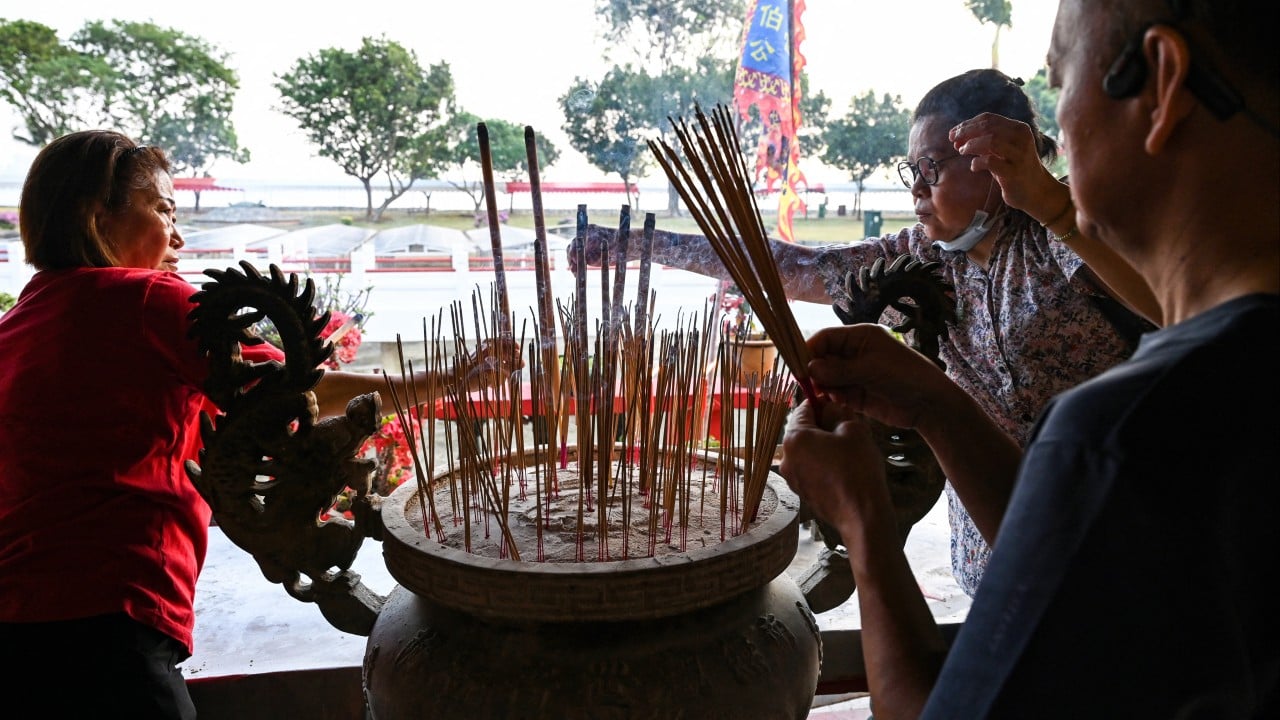
Instead of walking away from the divine, many Singaporeans are curating their own spiritual practices. They blend meditation apps with traditional ancestor respect, or attend quiet mindfulness retreats instead of weekly mega-church services. They want the peace and community of faith without the administrative baggage.
Matteo, a thirty-two-year-old designer based in Bugis, puts it bluntly. He grew up attending strict weekly services but stopped going during university.
"I didn't stop believing in God," Matteo says. "I just stopped believing that God cares whether I sit in a specific row of seats every weekend or follow a manual written for a totally different century. I pray at home. I try to be a good person. That should be enough."
Why the Data Tells a Nuanced Story
Sociologists tracking religious trends in Southeast Asia often point out that secularization in Asia looks very different from Europe or North America. In the West, losing religion usually means becoming strictly atheistic or agnostic. In Singapore, a "no religion" check-box on a government form frequently hides a deeply spiritual person who still believes in karma, fate, traditional spirits, or a higher power.
Data from the Singapore Census of Population highlights a steady rise in the resident population declaring no religious affiliation, moving from around 13 percent in 2010 to nearly 20 percent in recent years. Yet, if you ask these same individuals about luck, destiny, or higher moral forces, the vast majority express traditional beliefs.
They are shedding the bureaucracy, not the transcendent.
Institutional leaders are naturally worried. When membership numbers drop, funding dips and generational continuity breaks down. Religious organizations are trying hard to adapt. They launch sleek podcasts, host mental health workshops, and modernize their aesthetic.
Some temples and churches are winning back crowds by focusing heavily on community welfare and mental health support. They realize that young people under immense pressure in a high-stress city do not want lectures on sin. They want a safe harbor where they can catch their breath.
Navigating the Modern Spiritual Marketplace
If you are trying to make sense of your own spiritual path in Singapore, the sheer number of options can feel dizzying. You can visit a pristine Buddhist monastery in the morning, join a progressive Christian cell group in the afternoon, and download a guided Zen meditation track by evening.
Here is how to navigate this landscape without losing your mind or your values:
- Audit your motives. Are you leaving a religious community because of theological disagreement, or just because you are lazy on Sunday mornings? Be honest with yourself. Real spiritual growth requires discomfort.
- Separate community from dogma. You might love the fellowship of a religious group but despise its stance on social issues. Look for progressive or open-minded communities that let you belong without demanding total intellectual conformity.
- Build a personal routine. If institutional settings do not work for you, construct your own daily rituals. Journaling, quiet reflection, gratitude walks, or traditional prayers can ground you just as effectively.
- Respect the roots. When borrowing practices from traditions you do not formally belong to—like mindfulness or yoga—understand their cultural context rather than treating them as mere lifestyle accessories.
Where Religion Goes From Here
Singapore will not turn into a godless vacuum anytime soon. The human craving for meaning, comfort in times of grief, and answers to existential dread is too permanent for that.
What we are witnessing is an evolution. The rigid walls separating different faiths are getting blurrier. People are prioritizing personal authenticity over organizational loyalty.
Stop worrying about what the census checkboxes say about the soul of the nation. Look at how people treat their neighbors, how they handle personal crises, and where they find hope when things fall apart. That is where the real faith lives.
Take a step back this week and evaluate your own relationship with belief and community. Cut through the noise of what you are supposed to practice, and focus on what actually brings peace to your daily life.