A peaceful afternoon at a popular British wildlife attraction turned into a nightmare when a man breached a secure perimeter and entered a big cat habitat. South Yorkshire Police confirmed that emergency medical personnel rushed to the Yorkshire Wildlife Park near Doncaster following distress calls around 1:35 p.m., but the victim succumbed to his injuries at the scene.
Incidents involving big cats in captivity spark fierce debates about visitor safety, animal welfare, and zoo design. Let's look at what actually happened, how modern reserves are built, and why these rare tragedies keep occurring despite heavy security measures.
Inside the Yorkshire Wildlife Park Enclosure
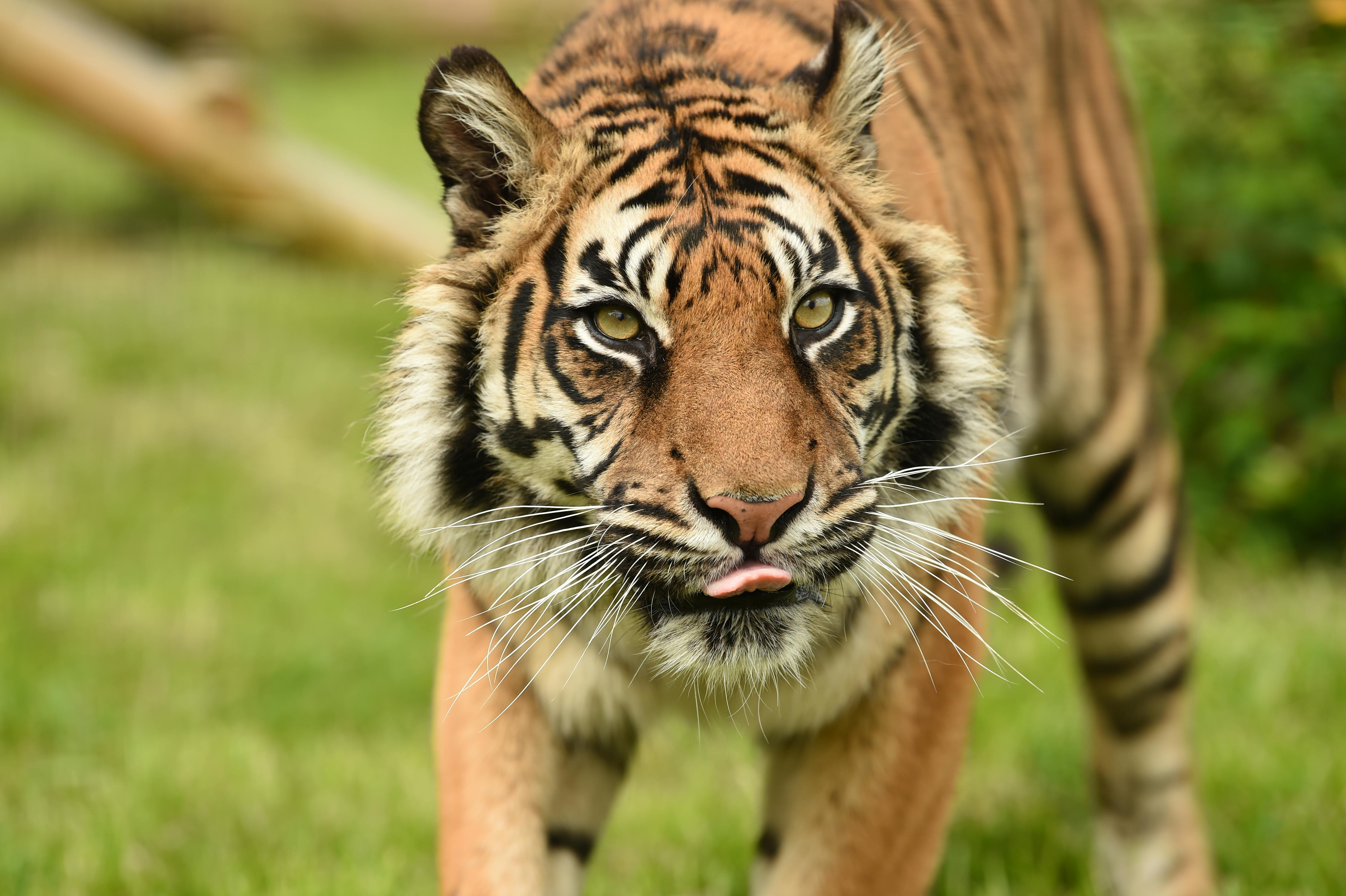
The incident took place in the park's prominent "Land of the Tigers" exhibit. Opened back in 2011, this purpose-built two-acre reserve houses endangered Amur tigers, frequently called Siberian tigers.
Modern facilities like this don't use tiny concrete cages anymore. Instead, they rely on expansive, naturalistic enclosures designed to mimic wild habitats. Visitors view the animals through observation points, including a 300-meter raised walkway that lets people watch the cats roam through woodlands and grasslands or swim in waterfall pools.
Yet, any barrier built by humans can be bypassed if someone chooses to ignore the rules. Security protocols at major wildlife facilities are rigorous, but they rely heavily on the assumption that visitors won't actively try to enter restricted zones.
The Reality of Captive Big Cat Behavior
When a human enters a predator's territory, instincts take over. Amur tigers are apex predators. An adult male can weigh hundreds of pounds and possess sheer physical power that defies imagination.
In the wild, tigers defend their territory against intruders with lethal force. Captive animals retain these exact predatory instincts, regardless of how accustomed they are to human handlers or seeing crowds from a distance. When an unfamiliar figure crosses the physical boundary into their home, the animal views it as an immediate territorial threat or prey.
Zoo safety experts constantly emphasize that wild animals are never truly "tamed." Zookeepers undergo years of specialized training, maintain strict protocols, and never enter enclosures without multiple safety gates and heavy locking mechanisms. A member of the public bypassing these systems has zero preparation for the speed and power of a startled tiger.
How Zoos and Authorities Respond
Following the attack, the Yorkshire Wildlife Park was evacuated immediately. Police officers and emergency responders secured the perimeter, while park officials stated they were cooperating fully with investigators to piece together the timeline.
Crucially, the tiger involved in the incident was unharmed and remained inside its enclosure throughout the event. This detail matters because public safety investigations often weigh whether an animal had to be put down. In this case, because the animal stayed contained within its designated habitat, emergency protocols focused entirely on human rescue, site security, and evidence collection.
Preventative Measures in Modern Animal Parks
If you visit major wildlife sanctuaries or zoos, you'll notice layers of preventative engineering:
- Double-perimeter fencing systems that keep visitors far away from direct contact points.
- Raised boardwalks and platforms that keep human foot traffic out of animal territory entirely.
- Advanced camera surveillance and motion sensors designed to alert staff if someone approaches a restricted zone.
Despite these measures, human behavior remains the hardest variable to control. Facilities constantly review their emergency response times and barrier visibility to ensure visitors understand the gravity of the rules.
When tragedies happen, they prompt a thorough re-examination of perimeter security across the industry. Park operators must balance the desire to provide an immersive, open-air viewing experience with the absolute necessity of keeping the public out of harm's way.
Review the safety signage and barrier guidelines whenever you visit a wildlife attraction. Respecting the physical boundaries isn't just about following park rules—it's a matter of survival.

:max_bytes(150000):strip_icc():focal(986x183:988x185)/president-donald-trump-main-033125-5875db75918d4d92b8c319d1e26298bc.jpg)