Culture moves fast. Sometimes it spins backward just as quickly. If you have spent any time scrolling through feeds lately, you have probably noticed a heavy mix of heavy artistic legacy, relentless pop culture nostalgia, and unfiltered celebrity commentary dominating the algorithm.
Why do these specific cultural currents capture our attention all at once? The answer lies in how we process grief, comfort, and entertainment today. People crave familiar anchors while simultaneously mourning the loss of monumental creative forces. Let's break down what is actually driving these trending topics and why they matter beyond the initial click. For a closer look into this area, we suggest: this related article.
The Enduring Legacy of Yayoi Kusama
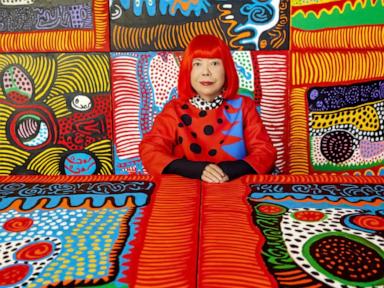
The art world lost a titan when visionary Japanese artist Yayoi Kusama passed away at the age of 97. For decades, her immersive infinity rooms, vibrant pumpkin sculptures, and hypnotic polka dots defined contemporary art. She did not just create visual pieces; she invited audiences inside her psychological landscape.
Kusama spent years living voluntarily in a Tokyo psychiatric facility, transforming her lifelong hallucinations and struggles with anxiety into universal touchstones of beauty. Her work commands millions at auction houses like Phillips, yet her core message always remained grounded in survival through creation. When public figures of this magnitude pass, social media undergoes a collective wave of retrospection. People share their museum photos, favorite installations, and quotes about her relentless drive. It is a reminder that authentic artistry leaves a permanent dent in the cultural consciousness. For broader details on this development, in-depth reporting is available on Vanity Fair.
The Infinite Pull of Nostalgia and the Friends Phenomenon
While the art world mourned, internet feeds kept circling back to older comforts. Nostalgia is not just a passing phase; it functions as a primary economic and emotional driver in modern media.
Look at how constant rumors, cast retrospectives, and streaming milestones regarding the Friends reunion continue to spike engagement year after year. Viewers do not turn on comfort sitcoms because they want fresh storytelling. They tune in because the real world feels chaotic, unpredictable, and exhausting. Rewatching old episodes or digesting reunion specials acts as an emotional safety blanket. It offers a predictable world where problems resolve neatly within twenty-two minutes. Algorithms know this habit well, feeding our collective desire for emotional safety by pushing vintage pop culture straight to the top of the charts.
Celebrity Realness and the Busy Philipps Effect
On the other side of the trending spectrum sits raw personality. Figures like Busy Philipps maintain cultural relevance not through glossy PR campaigns, but through sheer, unfiltered authenticity. Whether she is opening up about parenting, navigating Hollywood frustrations, or reacting to everyday absurdities on social media, her approach cuts through the polished noise.
Audiences grow tired of heavily curated celebrity facades. People want conversational honesty. When public figures speak directly to the camera without a filter, it mimics a conversation between friends. That transparent style builds instant trust. It explains why spontaneous rants or casual podcast clips outperform polished promotional interviews every single time.
Connecting the Cultural Dots
At first glance, an avant-garde artist, a 90s sitcom, and an outspoken actress share very little ground. Yet, they all tap into the exact same cultural need. We want art that makes us feel deeply, comfort that makes us feel secure, and honesty that makes us feel understood.
Culture thrives on this precise balance of high art, deep comfort, and sharp reality checks. Pay attention to what catches your eye next time you scroll. You are rarely looking at random noise. You are looking at a mirror of what society needs to feel at that exact moment. Take a step back from the feed, curate what actually brings you value, and stop letting the algorithm dictate your entire mood for the day.