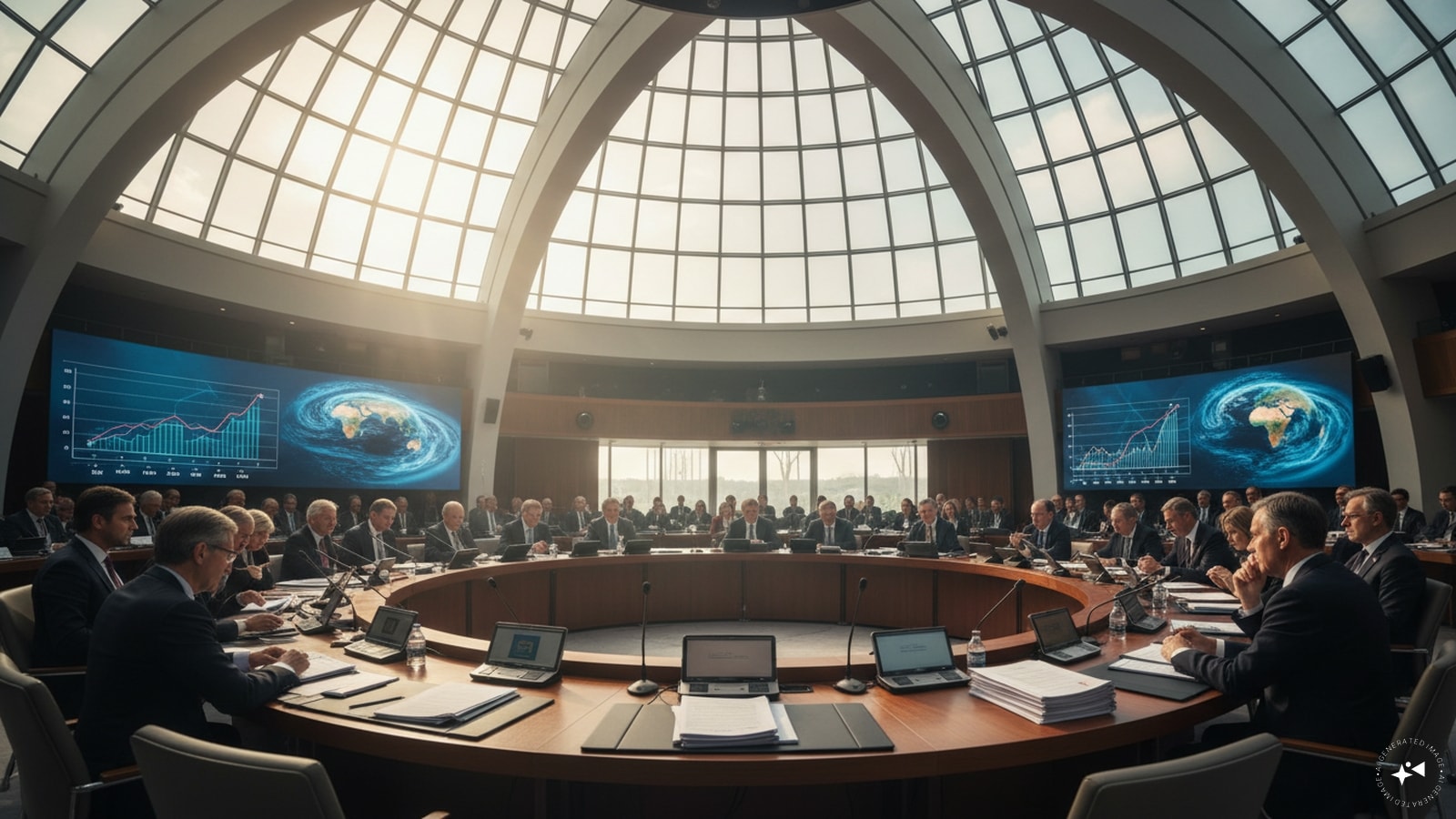
Every year, thousands of diplomats, executives, and activists fly across the globe to argue about carbon targets. Then they release a vague communique, pat themselves on the back, and fly home. But as global temperatures push past critical thresholds, the polite diplomacy of past climate summits isn't cutting it anymore.
Right now, world leaders gathering in Antalya for COP31 face a stark reality. You can't negotiate with physics. The emissions gap is widening, extreme weather events are devastating communities from the Global South to developed economies, and the old promises are aging like milk. If you're wondering what actually matters at this year's summit, let's skip the corporate spin and look at the hard questions leaders are trying to dodge. Meanwhile, you can find similar developments here: Why Trump Just Dropped A 13 Point Manifesto After The Midterms.
Who Pays for the Damage We Can No Longer Prevent
We've officially moved past the era where climate change is a hypothetical future threat. It's happening right now. Crops are failing, coastlines are eroding, and billion-dollar disaster recovery tabs are bankrupting developing nations.
The core fight at COP31 boils down to cold, hard cash. Developing nations aren't interested in more empty sympathy from wealthy economies that built their fortunes on coal and oil. They want functioning climate finance. Specifically, they need the Fund for Responding to Loss and Damage properly filled with actual grants, not predatory loans that trap vulnerable countries in deeper debt. To see the bigger picture, check out the recent analysis by NBC News.
When rich nations pledge money, it often comes with strings attached or gets recycled from existing aid budgets. Leaders in Antalya need to answer a very direct question: Where is the new money coming from, and how fast can it get to the people whose homes are underwater?
The Fossil Fuel Elephant in the Room
For decades, official declarations managed to talk around the actual cause of the crisis without ever uttering the words "oil and gas." That changed slightly at past summits, but implementation remains a joke.
Countries keep approving new extraction projects while signing international treaties promising to cut emissions. It's a blatant contradiction. Major economies, including historical polluters and host nations trying to balance industrial growth, are still addicted to fossil subsidies.
If leaders at COP31 refuse to put a hard timeline on phasing out coal, oil, and gas extraction, the entire summit is just theater. You can't put out a fire while simultaneously pouring gasoline on it. Citizens are watching to see if governments will finally stand up to energy lobbies or keep kicking the can down the road.
Bridging the Trust Gap Between Rich and Developing Nations
There's a massive trust deficit in the negotiating rooms. Developing nations look at wealthy Western countries and see profound hypocrisy. They're told to leapfrog straight to green energy grids while lacking the infrastructure, technology, or financial backing to do so safely.
To make matters worse, geopolitical tensions make global cooperation harder than ever. Trade wars, military conflicts, and economic instability give leaders an easy excuse to push climate action to the bottom of the priority list. But atmospheric carbon doesn't care about diplomatic disputes.
The Antalya summit is testing whether international cooperation can still deliver results when countries are turning inward. If wealthy states don't share green tech openly and provide grants rather than debt-inducing loans, developing nations have zero incentive to play along.
Moving From Pledges to Action
We don't need another round of aspirational targets for 2050. Politicians love distant deadlines because they'll be out of office long before anyone checks if they met them. The UN Environment Programme's emissions tracking makes it painfully clear that current national pledges leave us way off track.
We need short-term accountability. What are governments cutting this year? What coal plants are shutting down next month? How are electrical grids being upgraded right now to handle massive electrification?
The answers to these questions won't come from signing ceremonies alone. They require domestic policy changes, heavy taxation on major corporate polluters, and real penalties for missing targets. Stop looking for silver bullets or technological miracles that don't exist yet. The tools to decarbonize the global economy already exist. What's missing is the political backbone to use them.