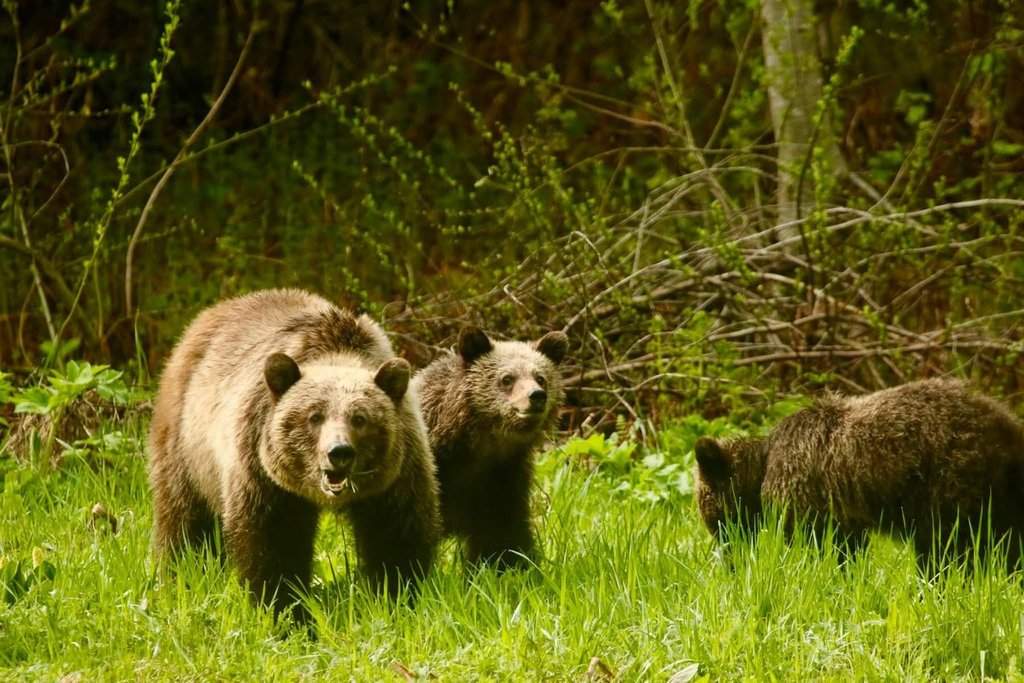
Wildlife investigations have changed dramatically over the last few years. When tragedy struck near Bella Coola on British Columbia's Central Coast, where a mother and daughter—identified by family as Jenny Balcarras and Selah Reed—were found dead along the Snooka West Trail, authorities didn't just guess which animal was responsible. They turned to science.
The B.C. Conservation Officer Service (BCCOS) confirmed they captured a grizzly bear following the fatal incident. But catching an animal in a region dense with wildlife isn't enough to close a case. Officers now rely on rigorous DNA profiling to match physical evidence from the scene to the specific animal in custody.
Why Guesswork Doesn't Work in Grizzly Country
People often assume that finding any bear near a tragedy solves the case. That assumption is dangerous and scientifically flawed.
Bella Coola sits inside a rich ecosystem where human-wildlife encounters happen regularly. Grizzly populations share trails and valleys with residents. Pulling the wrong animal off the landscape solves nothing if the actual problem bear is still roaming free.
That is why wildlife forensics treats the forest floor much like an urban crime scene. According to forensic experts like Dean Hildebrand, founder of the B.C. Institute of Technology Forensics DNA Lab, matching animal DNA follows the exact same logic used in human criminal investigations. Investigators pull genetic material left at the scene, build a profile, and compare it directly against biological samples taken from the captured bear.
The Reality of Wildlife DNA Profiling
The process isn't instant. Gathering samples from a rugged trail requires meticulous fieldwork. Saliva, hair, or blood left behind during an attack contain biological markers that tell a definitive story.
When the BCCOS traps a bear, the animal is safely secured while technicians run comparative assays. If the genetic profile matches the evidence gathered from the attack site, authorities have their answer. If it doesn't, the trap stays set, and the search continues. This methodical approach protects innocent wildlife while keeping communities safe.
Community Impact and Safety Measures
Local residents in Bella Coola have faced mounting tension. Encounters with grizzly bears have spiked, leaving communities on edge. In response to the tragedy, local authorities and the Nuxalk Nation—whose traditional territory encompasses the region—have instituted suggested curfews and increased night patrols.
People living and working in rural British Columbia know the risks of sharing space with apex predators. Coexistence requires vigilance, respect, and clear protocols when things go wrong. Relying on hard forensic science rather than panic ensures that management decisions are grounded in absolute proof.
Stay alert in bear territory, respect trail closures like the Snooka West Trail, and support local conservation efforts focused on accurate, science-backed wildlife management.