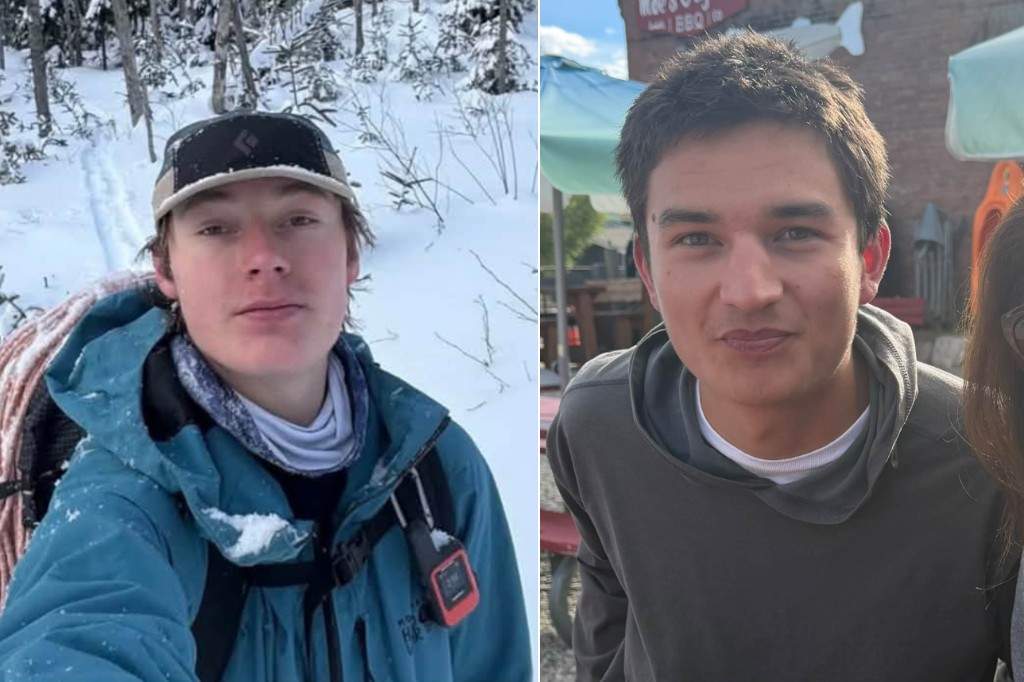
Mountains don't care how young, fit, or enthusiastic you are. When the weather turns or a misstep happens in the backcountry, elevation becomes an unforgiving adversary. That harsh reality hit families and communities hard when two college students embarking on a winter hike in Colorado were found dead after a massive search effort.
If you've spent any time tracking mountain safety news, you know this story plays out too often. Two bright young adults heading out for a day in the wilderness, failing to return on schedule, and a frantic rescue operation that ends in tragedy. But looking past the initial headlines reveals critical lessons about mountain readiness, winter weather risks, and why standard safety protocols fail when people underestimate high-altitude terrain.
The Reality of Colorado Winter Hiking
People see stunning photos of snow-covered peaks on social media and think it's an open invitation for a casual weekend stroll. They forget that winter in the Rockies brings brutal sub-zero temperatures, rapidly changing weather fronts, and deep snowpacks that obscure trails entirely.
When these students set out, they likely anticipated a manageable challenge. College students love pushing their limits, and hiking offers a cheap, accessible adrenaline rush. Yet, the margin for error shrinks dramatically once you go above the tree line. Wind speeds pick up, daylight vanishes early, and a sprained ankle or a dropped phone turns into a life-threatening emergency within minutes.
Why Standard Safety Advice Fails Beginners
Every outdoor blog tells you to bring the "ten essentials." Pack extra water, a headlamp, a map, layers, and emergency shelter. It sounds simple on paper. In practice, hikers routinely ignore these rules because carrying a heavier pack feels annoying, or they assume they will be back before dark.
The tragic outcome of this recent Colorado incident underscores a recurring flaw in how people prepare for the backcountry. They plan for the hike they hope to have, not the worst-case scenario.
- Overestimating daylight: Winter days are short. Losing an hour of time due to wrong turns or deep snow means navigating sheer drop-offs in total darkness.
- Underrating thermal regulation: Hypothermia doesn't require freezing temperatures. Wet clothes combined with wind chill will drop your core body temperature rapidly, impairing cognitive function before you even realize you're in trouble.
- Cell service delusions: Assuming your phone will bail you out with a quick call or GPS map is a rookie mistake. Batteries die instantly in the cold, and mountain valleys are notorious dead zones.
The Search and Rescue Strain
When hikers go missing, an army of volunteers and professionals springs into action. Search and rescue teams in Colorado face immense danger tracking people through avalanche terrain and freezing gullies. Every hour counts.
Public reporting on these incidents often focuses solely on the grief and the recovery operation. What gets missed is the sheer logistical nightmare facing rescue coordinators. They have to mobilize teams in hazardous conditions, risking their own lives to find hikers who often made preventable mistakes.
If you're heading into the mountains, you aren't just responsible for yourself. You carry the safety of the rescue crews on your shoulders every time you step past the trailhead without proper preparation.
How to Protect Yourself on Your Next Hike
You don't have to stay indoors to stay safe, but you do need to shift your mindset. Treat the wilderness with respect, not as a weekend playground where rules don't apply.
Check local avalanche forecasts and weather reports religiously. If the forecast looks sketchy, turn around or pick a lower-elevation trail. Leave a detailed itinerary with someone who isn't on the trip with you. Tell them precisely where you are parking, which route you are taking, and when you plan to text them upon return.
If you miss that check-in time by a couple of hours, your emergency contact should already know to call authorities. That simple habit cuts down search radiuses dramatically and saves lives.
Never split up from your group, either. Fatigue makes people make poor choices, and a separated group loses collective warmth and shared gear.
The mountains will still be there next weekend. Turning back when conditions deteriorate isn't quitting; it's surviving. Take the risks seriously, pack gear you hope you never use, and make it home to tell the story.