Pop music loves a gimmick, but sometimes an artist actually taps into something real. When Abel Tesfaye dropped his unreleased track titled "Hong Kong" during a stadium run at Kai Tak Stadium, it wasn't just another tour stop. The song, which weaves a sample of Faye Wong's 1993 Cantopop classic "Seasonal Wind" into its dark production, is a deliberate love letter to a specific cinematic era.
If you look closely at how the project came together, the focus isn't on modern pop chart dominance. It is about capturing the visual and emotional weight of a city that defined an entire generation of global film culture. Also making news in this space: Why Donnie Darko Still Messes With Our Heads After Twenty Five Years.
The Cinematic Roots Behind the Sound
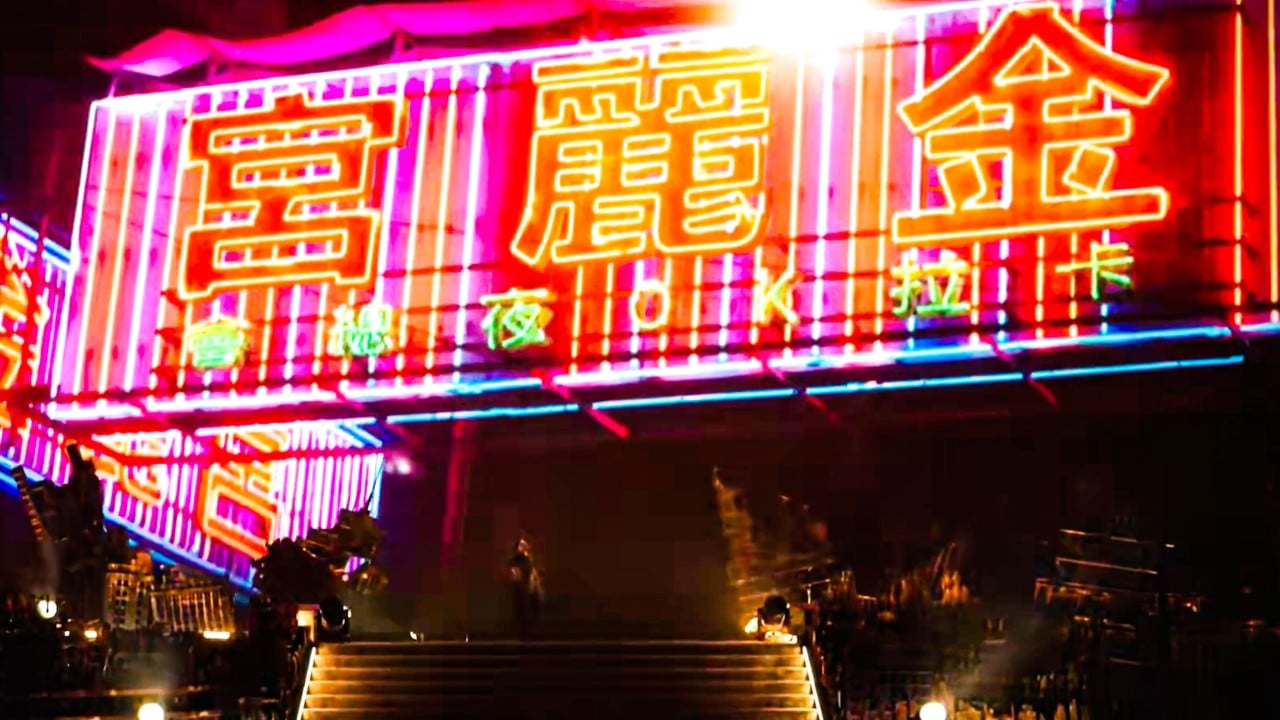
Most mainstream western pop stars treat foreign tour stops as transactional. They land, perform, collect a paycheck, and leave. Tesfaye took a different path by diving deep into the DNA of classic local cinema. The video directors and creative teams behind the project designed the visuals to mirror the neon-drenched, melancholic atmosphere of late-twentieth-century Asian urban landscapes.
Hong Kong in the early nineties wasn't just a physical place in the global imagination. It was a mood. It represented tight alleyways, glowing neon signs bleeding through heavy rain, and a distinct sense of fleeting romance captured by filmmakers like Wong Kar-wai. When you listen to the way "Seasonal Wind" merges with modern atmospheric production, you hear an artist trying to touch a ghost. Additional details on this are detailed by Entertainment Weekly.
Why 1993 Still Echoes Today
Nostalgia is easy to fake, but true cultural appreciation requires homework. Tesfaye has never hidden his obsession with film. Long before stadium tours and massive cinematic rollouts, his music relied heavily on moody, night-driving aesthetics reminiscent of 1980s thrillers and neo-noir.
Stepping into the legacy of 1993 Cantopop brings a different texture to his catalog. Faye Wong's original track carried an airy, melancholic detachment that fits his signature persona. By embedding that specific sample into a live debut, the creative team bypassed cheap tourist pandering. Instead, they honored a city's artistic history by letting its own icons speak directly through the music.
Moving Past Superficial Aesthetics
Too often, western artists use Asian megacities as background wallpaper for futuristic sci-fi music videos without understanding the cultural context. Think of all the generic cyberpunk tropes worn out by pop acts over the last decade.
This project avoids that trap by anchoring itself in actual local heritage. Sampling a defining voice like Faye Wong shifts the creative intent from aesthetic appropriation to genuine tribute. It proves that the best way to honor a bygone era is to study its art, respect its creators, and translate that inspiration into something entirely new.
The visual direction mirrors this philosophy. Rather than relying on sterile CGI or futuristic clichés, the production leans into tactile, gritty streetscapes that feel lived-in and honest. That is why the tribute resonates. It treats history with respect, treating the past not as a costume, but as a foundation.
Stop treating pop culture throwbacks as mere marketing ploys. Sometimes, an artist looks backward simply because they recognize that certain eras possessed a creative soul we are desperate to find again.
The Weeknd - Hong Kong (feat. Faye Wong) (After Hours Til Dawn 2026) [No Crowd]
This video captures the atmospheric live audio and immersive aesthetic of the track discussed in the article.