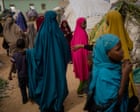
Warfare in the twenty-first century has evolved past conventional battlefield engagements. In the low-lying plains of southern Somalia, an invisible and devastating convergence of military strategy and climate volatility is unfolding. Recent reporting and on-the-ground accounts reveal a deeply troubling accusation against international military forces operating in East Africa. Critics and local residents charge that sustained airstrikes in al-Shabaab-controlled strongholds are intentionally pinning vulnerable civilian populations against the swelling banks of the Juba River, effectively utilizing an intensifying El Nino weather cycle as an instrument of destruction.
When you look closely at how modern counter-terrorism intersects with extreme climate events, the implications are staggering. For families living in towns like Jilib, the reality is stark. Drones hum overhead day and night, driving residents toward the river plains just as seasonal rains threaten catastrophic flooding. This dynamic raises uncomfortable questions about accountability, the ethics of modern intelligence utilization, and the human cost of shadow wars fought far from public view.
The Anatomy of a Climate-Linked Campaign
To understand the gravity of these accusations, you have to examine the geography of the conflict zone. Southern Somalia is exceptionally vulnerable to extreme weather fluctuations. Back in 2023, severe El Nino-induced flooding displaced more than 1.2 million people, submerging vast agricultural lands and destroying livelihoods. Now, humanitarian monitors report that a supercharged rainy season is combining with a surge in military operations to trap civilians with nowhere to run.
Local testimonies paint a grim picture. Families describe living under constant aerial bombardment, forced to flee their homes only to find themselves hemmed in by rising waters. Humanitarian researchers have pointed out a grim irony. Mapping data and remote sensing tools originally developed by international organizations to mitigate civilian harm during climate emergencies are allegedly being inverted to anticipate where populations will concentrate, compounding the devastating impact of ongoing drone campaigns.
Military commands standardly maintain that operations strictly adhere to international humanitarian law. Spokespersons for the United States Africa Command have repeatedly emphasized that operations do not target civilians, nor do they utilize weather or flooding as methods of warfare. Officials assert that strikes focus exclusively on lawful military objectives while implementing feasible measures to mitigate collateral damage. Yet, independent analysts remain skeptical, pointing to the opacity surrounding unacknowledged or covert strikes operating alongside official tallies.
Humanitarian Collapse on the Juba Floodplain
The human toll extends far beyond direct military engagements. As displaced families crowd along the riverbanks or attempt to flee toward regional hubs like Kismayo, they encounter a severe humanitarian deficit. International aid budgets in the region have faced drastic reductions over recent years. Funding shortages mean a critical lack of emergency infrastructure, including rescue boats, flood barriers, and medical supplies.
Medical personnel on the front lines report alarming spikes in severe child malnutrition. Clinics operated by organizations like the International Committee of the Red Cross are operating at capacity, treating patients for weapon-related injuries while simultaneously admitting infants suffering from acute dehydration and malnutrition after grueling journeys out of militant-controlled zones. Mothers recounting multi-day treks through rising mud and floodwaters with sick children strapped to their backs describe an environment where survival is an everyday battle against both human conflict and environmental collapse.
The absence of coordinated disaster preparedness within militant-held areas further exacerbates the crisis. Al-Shabaab leadership has offered little to no mitigation strategy or flood protection for the communities under their control, leaving residents entirely exposed to the elements. Without basic infrastructure or safe evacuation corridors, thousands remain stranded on the wrong side of the river as floodwaters continue to rise.
The Broader Implications for Modern Security
This situation forces a hard look at how foreign military interventions intersect with the compounding crises of climate change and localized governance failures. When powerful militaries deploy advanced surveillance and strike capabilities into fragile ecosystems, the secondary and tertiary effects on civilian populations are profound.
Transparency remains a central casualty in these conflicts. With multiple international actors operating drones in Somali airspace—including both US and Turkish forces—attributing specific strikes and tracking civilian casualties becomes increasingly difficult. Human rights advocates argue that without independent oversight and open accounting of operational impacts, civilian populations will continue to bear the heaviest burden of overlapping security and environmental crises.
The convergence of military campaigns and severe weather events in southern Somalia is a warning sign. As climate volatility accelerates globally, the intersection of conflict zones and environmental extremes will test the limits of international humanitarian frameworks. For the families currently trapped along the Juba River, debates over operational security and strategic necessity offer little comfort against the rising tide. Immediate, sustained international humanitarian access and rigorous accountability measures are the only viable path to prevent a larger catastrophe.