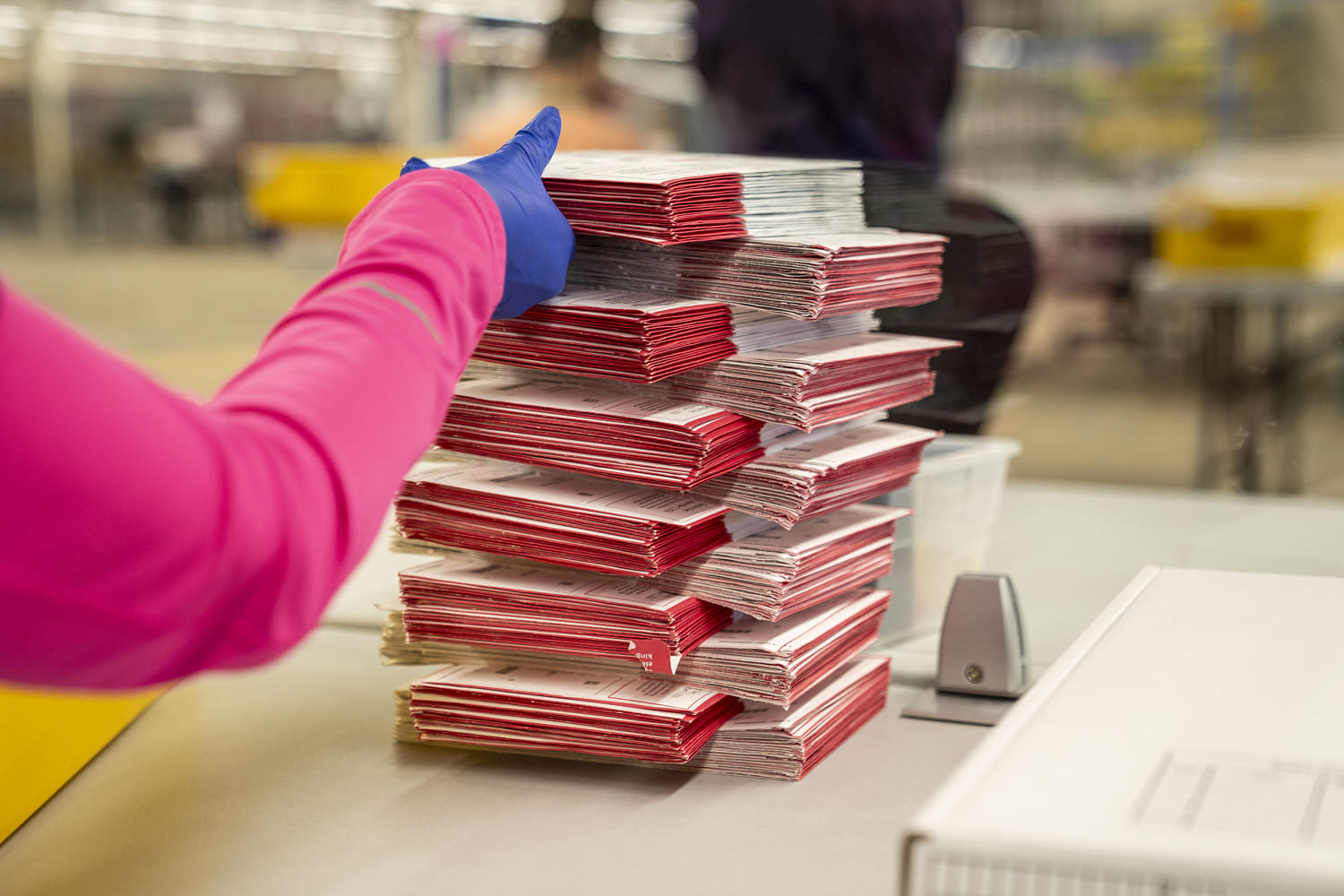
Elections bring out plenty of stress, but getting a last-minute directive from federal prosecutors just eight days before polls close takes things to a different level. That is exactly what happened in Washington state, where the Department of Justice stepped in with an eleventh-hour demand to freeze ballots from over 400 people. The federal claim? These individuals might be noncitizens illegally registered to vote.
Washington state officials didn't blink. They pushed back hard, calling the timing an intentional play to cast doubt on election integrity. If you've been following how voting administration battles play out across the country, this script might feel oddly familiar. Similar letters hit California election offices just days before the DOJ filed lawsuits there over tens of thousands of potential ballots.
Let's break down what's actually happening here, why state leaders are refusing to comply, and what this means for voters on the ground.
The Core Demand and the Numbers Behind It
Federal attorneys in Seattle made waves when they announced they had flagged roughly 400 names of registered voters they suspect of lacking U.S. citizenship. According to federal prosecutors, some of these individuals have records of voting in multiple elections spanning years. They argue that ballots cast by these specific individuals—estimated around 1,500 total votes across past cycles—need to be isolated and held until individual eligibility can be verified.
Federal prosecutors claim this isn't about broad immigration enforcement. Instead, they point a finger at automated registration systems like the Motor Voter program, suggesting green card holders or other noncitizens are sometimes registered automatically or mistakenly without realizing it, leading them to cast ballots thinking they're legally permitted to do so.
Washington Secretary of State Steve Hobbs saw things differently. Hobbs pointed out a glaring reality of state voter databases: noncitizens do occasionally end up on voter rolls through routine administrative processes, but actual illegal voting is vanishingly rare. Looking at historical state data stretching back decades, documented instances of noncitizens casting ballots sit at a fraction of a percent.
Why State Officials Are Refusing to Budge
You can't just change the rules a week before an election, or at least that's the legal argument Washington's leadership is leaning on. Federal law sets a strict 90-day quiet period before an election. During this window, state and local election officials are barred from removing voters from registration lists. The idea is simple: prevent last-minute purges that accidentally disenfranchise eligible, legal citizens right when it's too late for them to fix their status.
Hobbs didn't mince words when addressing the DOJ's move, noting that Washington watched how similar pressure played out in California and has zero interest in letting local voters get harassed or sidelined by federal maneuvers.
There's also the logistical nightmare. Election offices across the state are already drowning in mail-in ballots, signature verifications, and last-minute processing. Halting hundreds of specific ballots on short notice throws an administrative wrench into a system designed for speed and accuracy during the final stretch.
The Bigger Picture in 2026
This confrontation isn't happening in a vacuum. Across the country, federal oversight of state election administration has turned into a high-stakes legal playground. With control of Congress hanging in the balance during the 2026 midterm elections, every single vote carries massive weight.
Legal experts have warned for months that post-voting windows and pre-certification phases would become flashpoints. When federal agencies step in right before Election Day demanding segregated ballots or frozen rolls, it creates a dual-track reality. On one side, federal authorities argue they are protecting the sanctity of the ballot box. On the other, state officials argue that sudden interventions undermine public trust and trample on state sovereignty guaranteed by election laws.
If you're wondering how this affects your own ballot, the short answer is that state election boards in Washington have made it clear they are sticking to established state and federal legal protections. Ballots that meet standard verification criteria are moving through the normal processing pipeline unless individual challenges clear specific, due-process hurdles well outside rushed partisan timelines.
Pay attention to how these legal clashes resolve in the courts. They are setting major precedents for how federal power interacts with local election machinery for years to come. For now, Washington's election workers are keeping their heads down, processing the mountain of mail-in votes, and ignoring the noise coming out of Washington, D.C.


