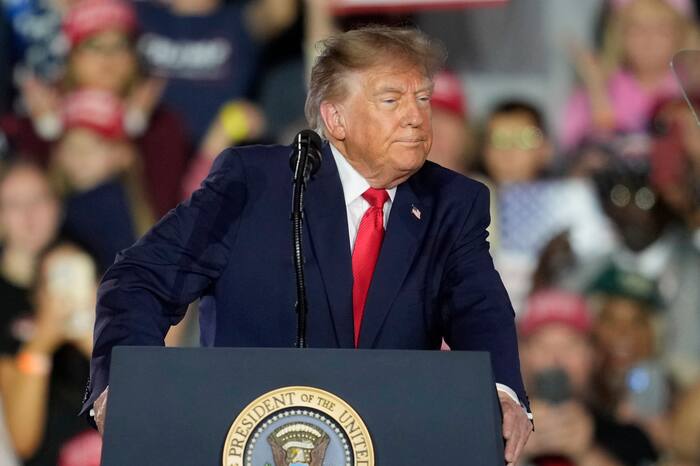
The rules of American trade access with sub-Saharan Africa are shifting dramatically. The Trump administration has officially notified Congress of its intent to terminate South Africa and Rwanda from the African Growth and Opportunity Act, better known as AGOA, effective January 1, 2027.
If you watch international trade corridors, this isn't entirely shocking, but the fallout will hit regional exporters hard. South Africa, which stands as the program's biggest economic beneficiary, shipped roughly $1.7 billion in goods to the U.S. under AGOA terms in 2025 alone. Losing duty-free privileges doesn't close the borders entirely, but it introduces heavy tariffs that could price cars, agricultural produce, and manufactured items out of competitive American markets.
What Triggered the White House Decision
U.S. Trade Representative Jamieson Greer made the administration's stance clear following the annual interagency review. Both nations are accused of maintaining barriers that undermine American trade and investment, alongside practices deemed inconsistent with regional foreign policy and national security interests.
The grievances vary by country:
- South Africa: Washington points directly to persistent trade barriers, domestic corruption concerns, and actions that conflict with broader U.S. strategic objectives.
- Rwanda: The administration highlights ongoing issues regarding the rule of law, political pluralism, human rights, worker rights, and specific investment restrictions.
South African officials aren't caught completely off guard. Trade Minister Parks Tau acknowledged that Pretoria anticipated an uphill battle during negotiations, though the government maintains it kept dialogue open right up to the announcement. Even so, refusing to bend on core Washington policy disagreements has finally triggered the penalty clause.
The Economic Realities for Exporters
Let's look past the diplomatic posturing. What does this mean for businesses on the ground?
For South African exporters, AGOA shipments account for roughly 10% of total exports to the United States and about 1% of total global exports. While those percentages might look modest on a macro spreadsheet, individual sectors like automotive manufacturing and fresh agriculture depend heavily on those zero-tariff margins to compete against Latin American and Asian alternatives. Once those tariffs kick in on January 1, profit margins will compress immediately.
Rwanda faces a different timeline of friction. Kigali already lost specific apparel benefits back in 2018 due to a fierce dispute over imported used clothing from the U.S. This broader exclusion deepens the economic chasm between Washington and the East African hub, forcing local firms to pivot toward alternative markets in Europe and Asia.
Can Anything Stop the Removal Before 2027?
The official notice gives both governments a window of several months before the termination becomes absolute on January 1, 2027. However, expecting a sudden reversal of policy from the White House is overly optimistic. The Trump administration has tied eligibility directly to compliance with U.S. security and economic demands. Unless Pretoria and Kigali make major structural concessions—which seems politically unlikely given domestic pressures—the path forward involves absorbing higher customs costs.
Exporters need to audit their supply chains right now. Stop assuming duty-free margins will persist, and start calculating how a return to standard Most-Favored-Nation tariff rates will impact your bottom line next year. Shift your focus toward cost efficiencies or alternative trade partnerships before January arrives.