Foreign policy rarely stays locked in diplomatic chambers. Sometimes, it spills directly into the electoral arena of a sovereign nation, blurring the line between traditional statecraft and blatant partisan intervention.
Recent internal disclosures reveal an aggressive push by specific US State Department officials to tilt Brazilian elections toward the Bolsonaro political dynasty. When Washington bureaucrats start weaponizing sanctions and diplomatic pressure to prop up foreign political allies, the consequences reshape international relations. You need to look past the official press releases to understand what really happened behind closed doors.
The Strategy Behind the Push
The campaign wasn't born in a vacuum. After Jair Bolsonaro lost the 2022 presidential race to Luiz Inácio Lula da Silva and subsequently faced severe legal fallout, including a lengthy prison sentence, key American advisors saw an opening. Darren Beattie, senior adviser for Western Hemisphere Affairs, and Ricardo Pita, deputy assistant secretary for North America, reportedly spearheaded an internal effort to orchestrate a political comeback for the right-wing clan.
Instead of maintaining neutral diplomatic ties, these officials allegedly instructed embassy staff to freeze out rival conservative figures. When Jair Bolsonaro was legally disqualified and later imprisoned, the focus shifted seamlessly to his son, Flávio Bolsonaro, who found himself locked in a high-stakes electoral battle against Lula.
Washington policy instruments changed overnight. Bureaucrats weren't just drafting standard diplomatic cables. They were actively building punitive measures designed to weaken Lula's political standing while elevating the Bolsonaros.
Weapons of Electoral Influence
How do you pressure a major democracy from thousands of miles away? You use economic and legal tools disguised as national security measures.
The strategy relied on two heavy-hitting tactics. First, officials pushed for targeted sanctions against Brazilian Supreme Court Justice Alexandre de Moraes, who led the legal investigations against Jair Bolsonaro. Using the Global Magnitsky Human Rights Accountability Act, Washington penalized Moraes under the banner of defending free speech, reacting to the suppression of specific right-wing social media accounts in Brazil.
Second, officials explored designating major Brazilian criminal syndicates, such as the Primeiro Comando da Capital and Comando Vermelho, as terrorist organizations, creating a security narrative that intersected neatly with domestic political debates. Tariffs on Brazilian goods and visa revocations for Supreme Court justices followed in rapid succession.
Yet, brute-force pressure rarely yields clean political outcomes.
Why the Intervention Backfired
Real-world politics has a funny way of punishing foreign overreach. While Washington intended to weaken the incumbent leftist administration and pave the way for a right-wing resurgence, the aggressive tactics sparked fierce nationalist backlashes.
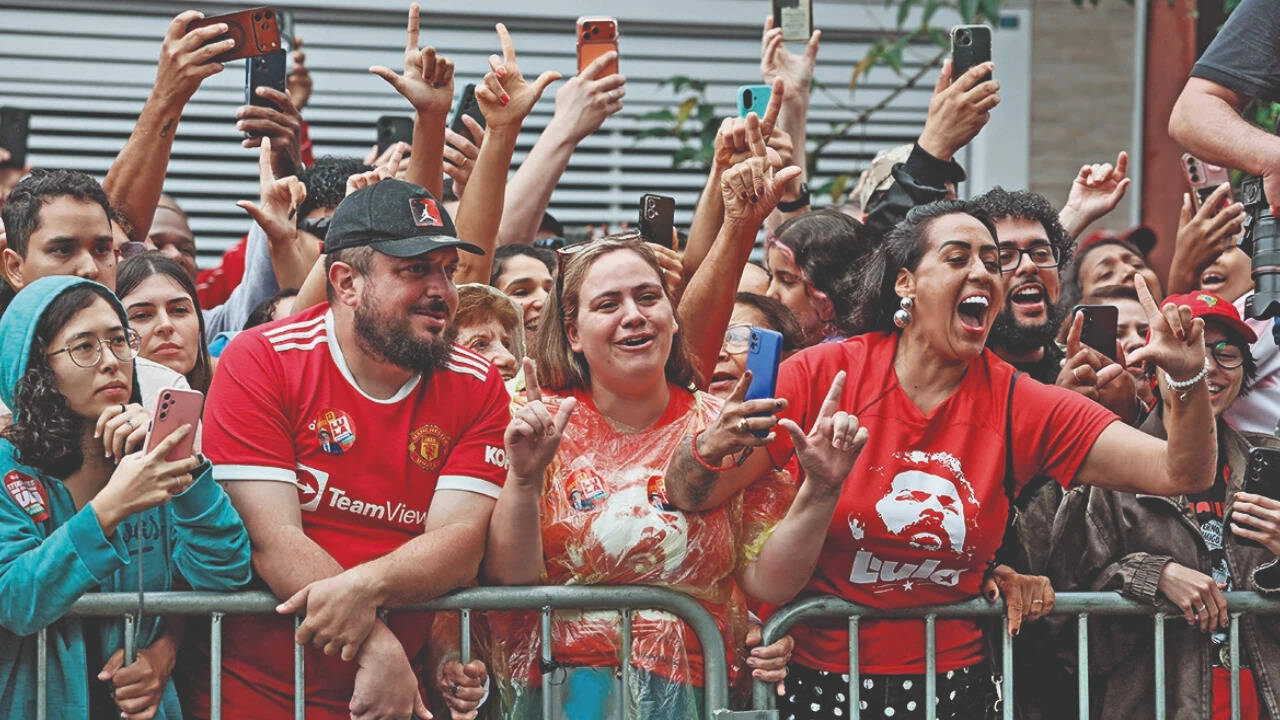
Imposing heavy tariffs and targeting high-profile judicial figures often rallies a domestic electorate around the flag. Instead of sinking Lula's approval ratings, the external pressure handed his campaign a convenient narrative about foreign meddling. Analysts noted that the aggressive posturing actually galvanized voters who resented outside interference in domestic jurisprudence.
Even within the US foreign policy apparatus, alarm bells rang loudly. Officials who opposed the strategy warned that crossing the boundary from legitimate diplomacy into partisan election engineering damages long-term bilateral trust. When the dust settled, Brazil's democratic institutions held their ground, and voters made their choice at the ballot box.
Intervention leaves permanent scars on diplomatic channels. When bureaucrats treat foreign elections as chess pieces, everyone loses trust. Keep an eye on how future administrations handle cross-border political alignment because this playbook is far from retired.